Introduction
Career building today is very different from what it was a decade ago. Traditional career paths that once promised stability are no longer guaranteed, and industries are changing faster than ever. In this environment, simply having a degree or technical skill is not enough. What matters now is how intentionally you design, develop, and manage your career over time. This is where the idea of career craft becomes important. Career craft is the process of shaping your professional life with purpose, adaptability, and continuous learning so that you remain relevant and future-ready.
Unlike a fixed career plan, career craft is flexible. It allows you to adjust, experiment, and grow as opportunities and industries evolve. It is less about following a straight path and more about building a strong foundation that can support long-term success.
Understanding Career Craft

Career craft is the ability to actively shape your professional journey instead of letting circumstances decide it for you. Many people fall into jobs by chance and then stay in them without thinking much about long-term direction. Career craft takes a different approach. It encourages you to think about what skills you are building, what value you are creating, and how your work aligns with your future goals.
It involves self-awareness, planning, skill development, and adaptability. A person practicing career craft does not rely only on job titles or companies for identity. Instead, they focus on developing a combination of skills, experiences, and mindset that can be applied across different roles and industries.
Building Self-Awareness for Career Direction
The first step in career craft is understanding yourself. Without self-awareness, it is difficult to make meaningful career decisions. This means identifying your strengths, weaknesses, interests, and working style. Some people perform better in structured environments, while others thrive in creative or flexible settings.

Self-awareness also includes understanding what motivates you. For some, it may be financial stability. For others, it may be creativity, leadership, or social impact. Knowing what drives you helps you choose a career path that feels meaningful instead of one that feels forced.
One practical way to build self-awareness is by reflecting on your past experiences. Think about tasks you enjoyed, challenges you handled well, and situations where you felt most confident. These patterns often reveal valuable insights about your natural strengths.
Developing Future-Ready Skills
In career craft, skill development is continuous. Industries are changing due to technology, automation, and globalization, which means the skills that are valuable today may not remain the same in the future. Future-ready professionals focus on both technical skills and soft skills.
Technical skills depend on your field. This could include coding, data analysis, digital marketing, design, or financial knowledge. However, equally important are soft skills such as communication, problem-solving, adaptability, and emotional intelligence.
One of the most important future-ready skills is learning how to learn. People who can quickly adapt to new tools, systems, and information will always stay ahead. Instead of focusing only on mastering one skill, it is better to develop the ability to continuously upgrade your knowledge.
Building Experience Through Small Steps
Many people believe that career growth requires big opportunities, but in reality, small consistent steps matter more. Career craft encourages gaining experience in any way possible, even if it starts small. This could include internships, freelance projects, volunteering, or side work.
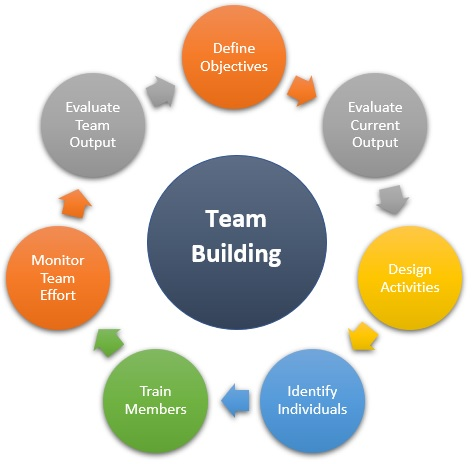
Each experience adds to your skill set and helps you understand real-world challenges. Over time, these small steps build a strong professional foundation. They also help you discover what type of work suits you best.
Instead of waiting for the perfect job, it is more effective to focus on gaining experience wherever possible. Every project teaches something valuable that contributes to your long-term career growth.
The Importance of Personal Branding
In today’s digital world, your career is not only defined by your resume but also by how you present yourself professionally. Personal branding is an important part of career craft. It is how you communicate your skills, experience, and personality to the world.
This does not mean creating a fake image. Instead, it means being intentional about how you showcase your work and achievements. Platforms like professional networks, portfolios, and even simple online profiles can help you build visibility.

A strong personal brand helps you stand out in competitive industries. It also makes it easier for opportunities to find you instead of you constantly searching for them.
Networking With Purpose
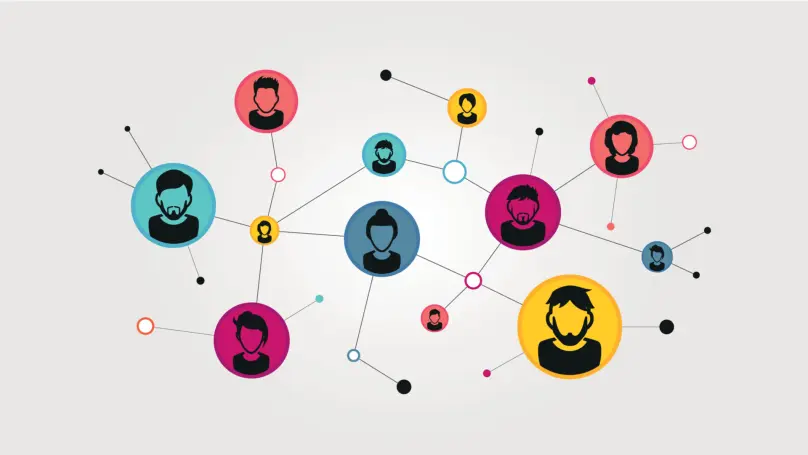
Networking is often misunderstood as collecting contacts, but in career craft, it is about building meaningful relationships. The goal is not to know many people but to connect with the right people who can share knowledge, opportunities, and guidance.
Effective networking involves genuine interaction. This could mean attending industry events, joining professional communities, or simply engaging with people who share similar interests. Over time, these connections can provide valuable support and open new career paths.
Networking also works both ways. It is not only about what you can gain but also about what you can offer to others. Sharing knowledge, helping others, and staying active in your field strengthens your professional presence.
Adaptability in a Changing World
One of the most important aspects of career craft is adaptability. The modern job market is unpredictable, and industries evolve quickly. Professionals who are rigid in their thinking often struggle when changes occur.
Adaptability means being open to learning new skills, changing roles, or even shifting industries when needed. It also means accepting that career paths are not always linear. Sometimes, taking a step sideways or even backward can lead to better long-term opportunities.
Being adaptable allows you to stay relevant even when the environment around you changes. It also reduces fear of uncertainty because you develop confidence in your ability to handle new situations.
Setting Long-Term Career Vision
While flexibility is important, having a long-term vision is equally necessary. Career craft is not about drifting without direction. It is about having a general idea of where you want to go while staying open to different paths.
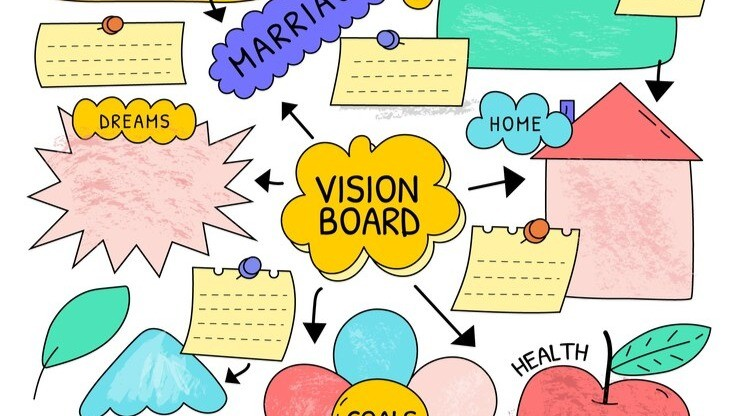
A long-term vision does not need to be overly detailed. It can simply be a direction such as becoming a leader in your field, building your own business, or becoming highly skilled in a specific area. This vision acts as a guiding principle when making decisions.
Without a vision, it becomes easy to get distracted by short-term opportunities that may not align with your long-term goals.
Learning From Failure and Feedback
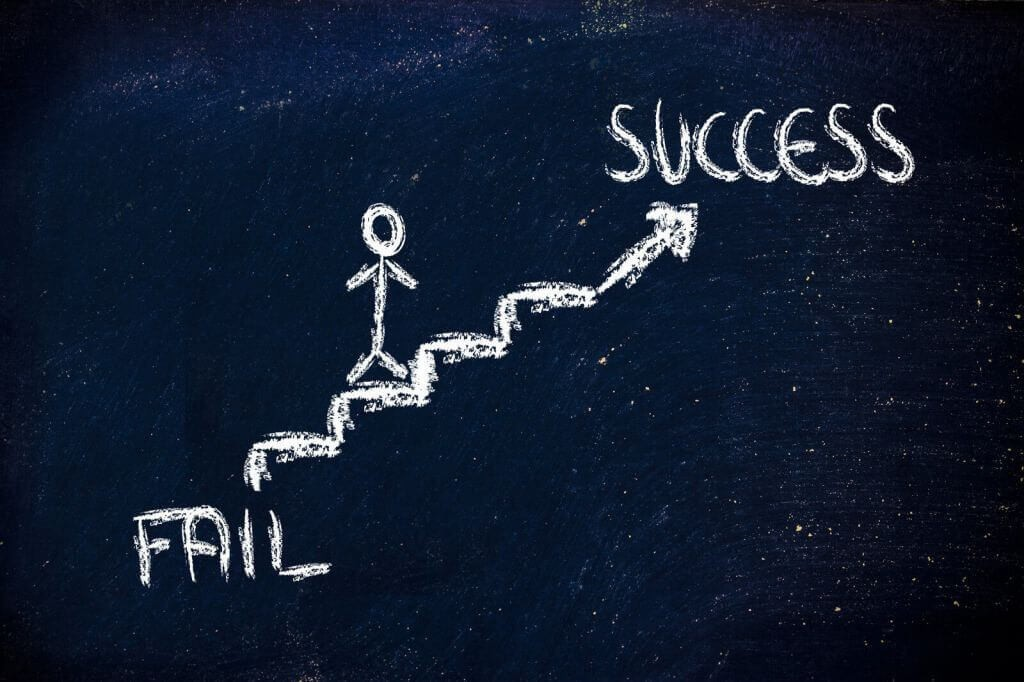
Failure is a natural part of career growth. Instead of avoiding it, career craft encourages learning from it. Every setback provides valuable information about what does not work and what needs improvement.
Feedback also plays an important role. Constructive feedback from mentors, colleagues, or supervisors helps you identify areas of improvement that you might not notice yourself. Being open to feedback accelerates professional growth.
The key is not to take failure personally but to treat it as a learning experience. Over time, this mindset builds resilience and confidence.
Maintaining Balance and Sustainability
A successful career is not only about achievement but also about sustainability. Burnout is common when people focus only on success without considering balance. Career craft includes managing your time, energy, and health effectively.
Maintaining balance means knowing when to work hard and when to rest. It also means setting boundaries to protect your personal life. A sustainable career is one that you can maintain over the long term without losing motivation or well-being.
Conclusion
Career craft is about taking control of your professional journey in a thoughtful and intentional way. It combines self-awareness, skill development, adaptability, networking, and long-term vision into a flexible approach to career building. Instead of following a fixed path, you learn to shape your path based on experience and opportunity.
In a world where industries continue to change rapidly, the ability to craft your career becomes one of the most valuable skills you can develop. It allows you not only to stay relevant but also to build a career that is meaningful, adaptable, and future-ready.
- How to Invest in Mutual Funds in 2026: Beginner’s Guide
- DIY Navratri Rangoli Ideas 2026: Easy & Beautiful Designs for Home
- Latest Entertainment Trends 2026: Movies, Music, Streaming & More

- DIY Navratri Hair Clips: Beautiful Dandiya-Inspired Accessories to Make at Home
- Latest Travel Trends 2026: New Ways to Explore the World

- How to Improve Your Decision-Making Skills in Everyday Life

F&Q
1. What is career craft?
It is the process of intentionally shaping and managing your career.
2. Why is career craft important?
It helps you stay adaptable and future-ready in a changing job market.
3. What skills are needed for career craft?
Technical skills, communication, and adaptability.
4. How do I start career crafting?
Begin with self-awareness and skill development.
5. Is career craft only for experienced professionals?
No, it is useful for beginners too.



0 Comments