Introduction: Rethinking What a Career Means
For many people, a career is something they fall into rather than something they actively design. It often begins with a job chosen out of necessity, opportunity, or expectation. Over time, this path may feel limiting or disconnected from personal interests and values. The idea of building a career you truly love can seem distant, even unrealistic.
However, a fulfilling career is not a matter of luck. It is the result of intentional choices, self-awareness, and continuous effort. Career craft is the process of shaping your professional life in a way that aligns with who you are and what you want. It is about taking control, making thoughtful decisions, and creating a path that feels meaningful.
Understanding Yourself: The Foundation of Career Craft
The first step in building a career you love is understanding yourself. Without clarity about your interests, strengths, and values, it is difficult to make decisions that lead to satisfaction.
Take time to reflect on what genuinely interests you. What kind of work excites you? What activities make you feel engaged and motivated? These questions help you identify areas where you are more likely to thrive
Equally important is recognizing your strengths. Understanding what you do well allows you to focus on roles and opportunities where you can add value. At the same time, being aware of your limitations helps you identify areas for improvement.
Your values also play a crucial role. Some people prioritize stability, while others value creativity, independence, or impact. Aligning your career with your values creates a sense of purpose and fulfillment.
Setting a Clear Direction

Once you understand yourself better, the next step is to set a clear direction. This does not mean having every detail figured out, but it involves defining a general path you want to follow.
Setting goals gives your career direction and purpose. These goals should be realistic, flexible, and aligned with your long-term vision. For example, you might aim to develop a specific skill, move into a new role, or explore a different industry.
Breaking larger goals into smaller steps makes them more manageable. Each step brings you closer to your objective and helps maintain motivation. Progress may be gradual, but consistent effort leads to meaningful results.
Developing the Right Skills
In today’s evolving work environment, skills are one of your most valuable assets. Building a career you love requires continuous learning and development.
Start by identifying the skills needed in your chosen field. This may include technical abilities, communication skills, problem-solving, or leadership qualities. Once you know what is required, focus on improving these areas.

Learning can take many forms. It may involve formal education, online courses, practical experience, or self-study. The key is to stay curious and open to growth.
Developing a diverse skill set not only increases your opportunities but also gives you confidence in your abilities. It allows you to adapt to changes and take on new challenges.
Taking Initiative and Creating Opportunities
Career growth does not always come from waiting for opportunities to appear. Often, it requires taking initiative and creating your own opportunities.
This might involve seeking new responsibilities at work, starting a side project, or connecting with people in your field. Being proactive shows your willingness to grow and can open doors that might otherwise remain closed.
Networking is also an important part of this process. Building relationships with others in your industry can provide valuable insights, support, and opportunities. Genuine connections often lead to unexpected possibilities.
Taking initiative also means being willing to step outside your comfort zone. Growth happens when you challenge yourself and try new things.
Embracing Change and Uncertainty
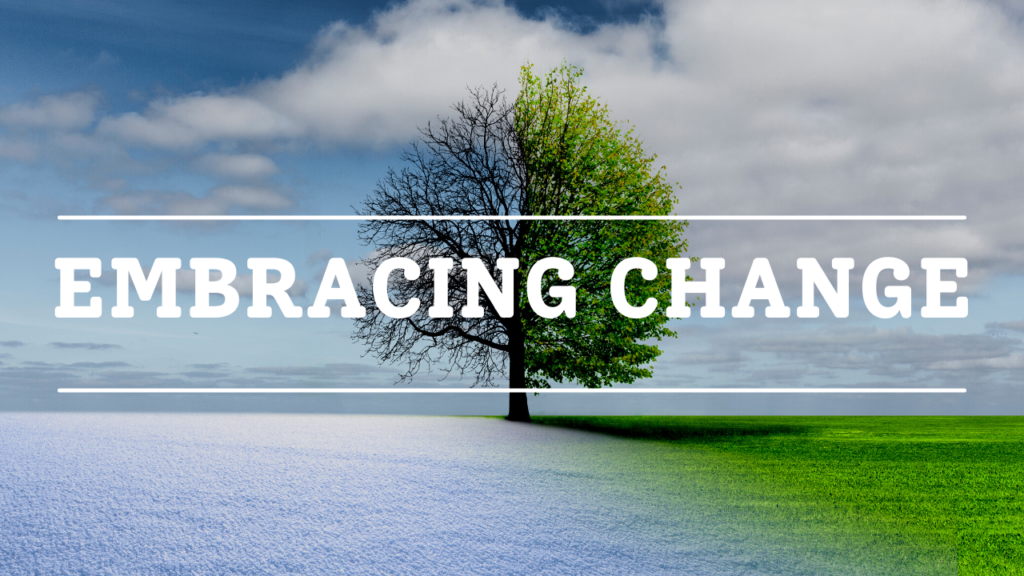
A successful career is rarely a straight line. It involves changes, setbacks, and unexpected turns. Embracing this uncertainty is an essential part of career craft.
Instead of fearing change, view it as an opportunity to learn and grow. New experiences can broaden your perspective and help you discover paths you may not have considered before.
Flexibility is important in this process. Being open to adjusting your plans allows you to respond to new opportunities and challenges. It ensures that your career remains dynamic and aligned with your evolving goals.
Finding Meaning in Your Work
Building a career you love is not just about success or financial rewards. It is about finding meaning in what you do. This sense of purpose makes your work more fulfilling and motivating.
Meaning can come from different sources. It may be the impact you have on others, the satisfaction of solving problems, or the opportunity to express creativity. Understanding what gives your work meaning helps you make choices that enhance your experience.
Even in challenging roles, it is possible to find aspects that are meaningful. Focusing on these elements can improve your overall satisfaction and keep you motivated.
Balancing Ambition and Well-Being

While striving for career success, it is important to maintain balance. Overworking or neglecting your well-being can lead to burnout and reduce your ability to perform effectively.
A sustainable career includes time for rest, relationships, and personal interests. Taking care of your physical and mental health ensures that you have the energy and focus needed to pursue your goals.
Setting boundaries is an important part of this balance. Knowing when to step back and recharge allows you to maintain long-term productivity and satisfaction.
Learning from Setbacks
Setbacks are a natural part of any career journey. Whether it is a missed opportunity, a difficult project, or a period of uncertainty, challenges are inevitable.
The key is to learn from these experiences rather than be discouraged by them. Each setback provides valuable lessons that can guide your future decisions.
Resilience plays a crucial role in this process. It helps you stay focused and continue moving forward despite difficulties. Over time, these experiences build strength and confidence.
Staying Consistent and Committed
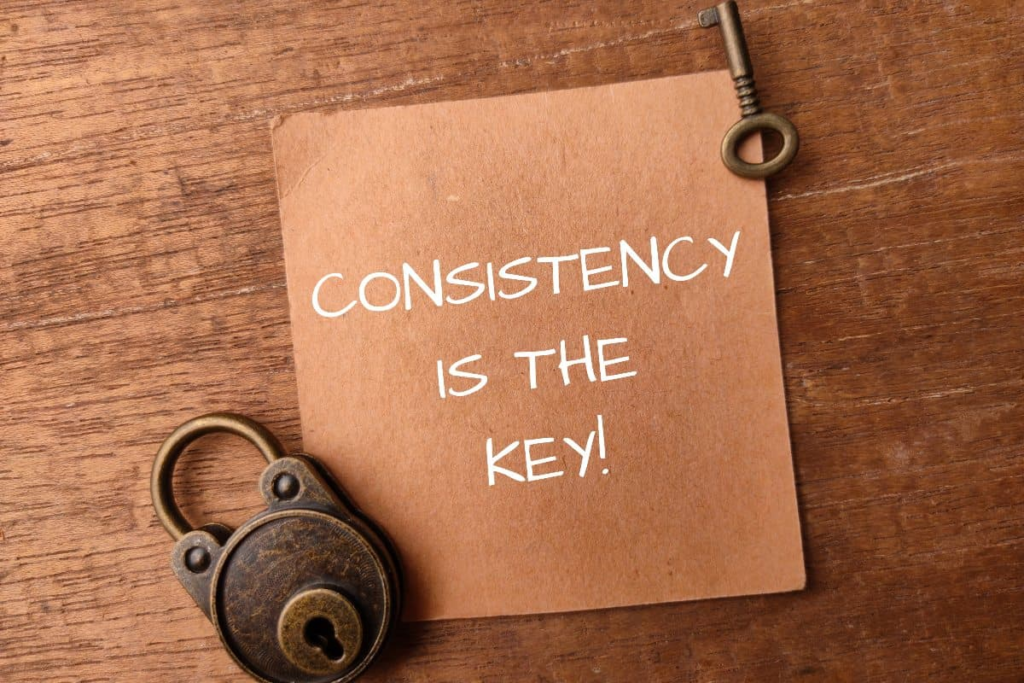
Building a career you love takes time. It is not achieved through a single decision but through consistent effort over many years.
Staying committed to your goals, even when progress feels slow, is essential. Small, consistent actions add up and create momentum. Over time, this momentum leads to significant growth.
Patience is also important. Results may not be immediate, but persistence ensures that you continue moving in the right direction.
Conclusion: Crafting a Career That Reflects You
The art of career craft is about taking control of your professional journey. It is about making intentional choices, learning from experiences, and continuously evolving.
Building a career you love requires self-awareness, effort, and a willingness to adapt. It involves balancing ambition with well-being and finding meaning in your work.
There is no single path to success. Each person’s journey is unique, shaped by their interests, values, and experiences. What matters is that your career reflects who you are and what you want to achieve.
By approaching your career with intention and commitment, you can create a path that is not only successful but also fulfilling. Over time, this approach allows you to build a career that truly feels like your own.
F&Q
1. What is career craft?
Career craft is the process of shaping your career based on your skills, interests, and goals.
2. How can I build a career I love?
Focus on self-awareness, develop skills, and choose paths that align with your values.
3. Why are skills important in career growth?
Skills help you stay competitive and open up better opportunities.
4. How do I handle career setbacks?
Learn from mistakes, stay resilient, and keep moving forward.
5. Is changing careers a good option?
Yes, if your current path doesn’t align with your goals, change can lead to better opportunities.
- How to Invest in Mutual Funds in 2026: Beginner’s Guide
- DIY Navratri Rangoli Ideas 2026: Easy & Beautiful Designs for Home
- Latest Entertainment Trends 2026: Movies, Music, Streaming & More

- DIY Navratri Hair Clips: Beautiful Dandiya-Inspired Accessories to Make at Home
- Latest Travel Trends 2026: New Ways to Explore the World




0 Comments