Introduction
Personal growth is often talked about in an idealized way, as if it is a straight path from where you are now to a completely improved version of yourself. In reality, it is far more practical and grounded. Real growth is not about dramatic overnight change but about small, consistent improvements that fit into everyday life. It is about making better choices repeatedly, learning from mistakes, and slowly shaping your habits and mindset over time. The ideas that actually work are not complicated theories but simple actions that can be applied in real situations without needing perfect motivation or extreme discipline.
Self-Awareness as the Starting Point

One of the most important foundations of personal growth is self-awareness. Without understanding your own behavior, emotions, and thought patterns, it becomes difficult to improve anything meaningfully. Self-awareness does not require deep meditation retreats or complex exercises. It starts with paying attention to your daily reactions. Notice how you respond to stress, what triggers your frustration, and what situations make you feel most confident or most drained. Over time, these small observations reveal patterns that help you understand yourself better and make more intentional decisions.
Consistency Over Intensity
A common mistake people make when trying to grow is relying on bursts of motivation. They decide to change everything at once, follow strict routines, and push themselves hard for a short period. While this feels productive initially, it is rarely sustainable. Real growth comes from consistency rather than intensity. Doing a small action every day is far more powerful than doing a big action once in a while. For example, reading ten pages daily is more effective than trying to finish an entire book in one sitting and then not reading for weeks. Consistency builds identity and long-term results.
Setting Realistic and Clear Goals

Goal setting is an essential part of personal growth, but the way goals are structured matters a lot. Unrealistic goals often lead to frustration and burnout, while vague goals lead to confusion. The key is to set goals that are specific, achievable, and broken into smaller steps. Instead of deciding to completely transform your life, focus on one habit at a time. This could be waking up earlier, drinking more water, or improving focus during work hours. When goals are small and clear, they become easier to follow and more satisfying to achieve.
Designing Your Environment for Success
Your environment plays a bigger role in shaping your behavior than most people realize. If your surroundings make it easy to get distracted or fall into bad habits, personal growth becomes much harder. On the other hand, when your environment supports good habits, progress becomes more natural. This can involve organizing your workspace, removing distractions from your phone, or keeping useful tools visible and accessible. Even small environmental changes can reduce friction and make it easier to do the things you want to do.
The Influence of People Around You
The people you spend time with have a strong impact on your mindset and behavior. This does not mean you need to cut people out of your life, but it does mean being aware of influence. Some people encourage growth, positivity, and accountability, while others may reinforce negative habits or discourage change. Spending more time with people who challenge you in a healthy way can help you stay motivated and focused. At the same time, reducing time spent in draining or unproductive environments can create space for better habits.

Taking Action Even When It Feels Uncomfortable
Growth almost always involves discomfort. Whether it is learning something new, changing a habit, or facing a fear, discomfort is part of the process. Many people wait until they feel ready, but readiness often never comes. Instead of waiting, it is more effective to take small actions despite discomfort. The goal is not to eliminate discomfort but to become comfortable working through it. Over time, what once felt difficult becomes normal, and your confidence naturally increases.
The Power of Reflection
Reflection is one of the simplest yet most powerful personal growth tools. It does not need to be complicated or time-consuming. Taking a few minutes at the end of the day to think about what went well, what did not go well, and what could be improved is enough. This habit helps you learn from your experiences instead of repeating the same mistakes. It also gives you a clearer sense of direction and progress, even when changes feel slow.
Managing Time More Effectively

Time management is not about packing your day with tasks but about being aware of how you use your time. Many people underestimate how much time is spent on distractions or unimportant activities. By observing your daily routine honestly, you can identify areas where time is being wasted. Once you become aware of this, you can gradually replace low-value activities with more meaningful ones. Even small adjustments in time use can lead to significant improvements over weeks and months.
Building Discipline Through Systems
Discipline is often misunderstood as pure willpower, but in reality, it is more about systems than motivation. When you rely only on motivation, your habits become inconsistent. However, when you create systems, such as fixed schedules or routines, you reduce the need for constant decision-making. For example, having a set time for studying, exercising, or working makes it easier to stay consistent. Over time, these systems turn into habits that require less effort to maintain.
Learning to Say No

One of the most practical but difficult personal growth skills is learning to say no. Many people overcommit because they do not want to disappoint others or miss opportunities. However, saying yes to everything often leads to stress and lack of focus. Learning to say no allows you to protect your time and energy. It also helps you focus on what truly matters instead of spreading yourself too thin across too many responsibilities.
Shifting Your Mindset in a Practical Way
Mindset is often talked about in abstract terms, but in real life, it is about how you interpret situations. A practical mindset shift involves seeing challenges as learning opportunities rather than failures. When something does not go as planned, instead of judging yourself harshly, you can ask what you can learn from the situation. This approach reduces fear of failure and makes it easier to keep moving forward, even after setbacks.
Taking Care of Physical Health
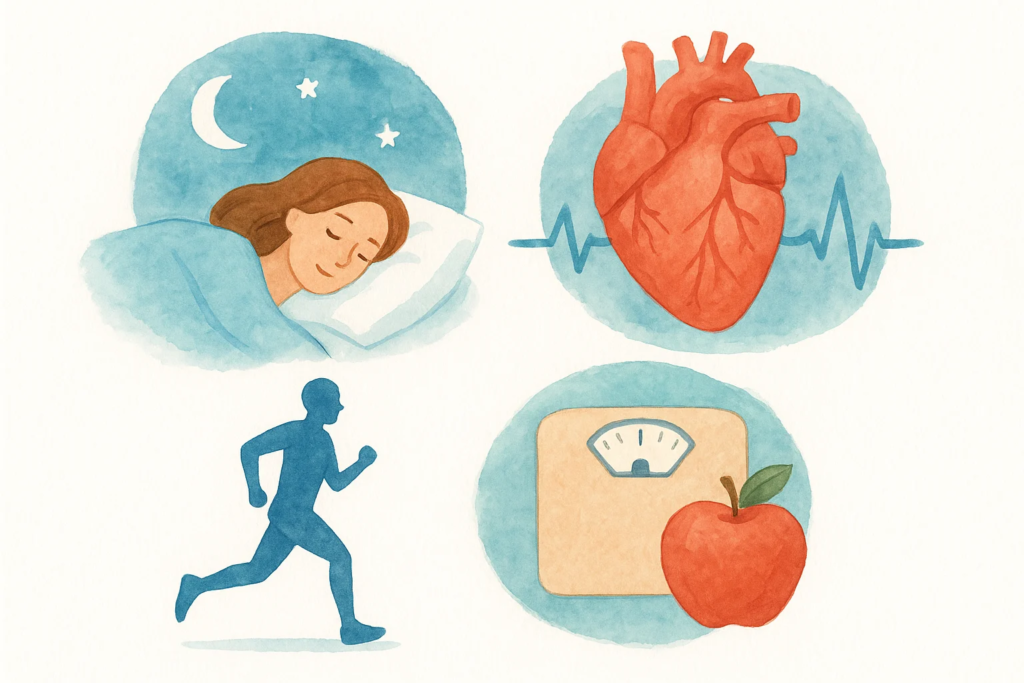
Personal growth is not only mental or emotional; it is also physical. Sleep, nutrition, and movement have a direct impact on your energy levels, focus, and emotional stability. When your body is not well taken care of, everything else becomes more difficult. You do not need a perfect routine, but small improvements such as better sleep habits, regular movement, or healthier food choices can significantly improve your overall performance and mindset.
Avoiding Information Overload
In today’s world, it is easy to consume endless information without applying any of it. Watching videos, reading articles, and learning new strategies can feel productive, but without action, it does not lead to real change. A more effective approach is to focus on applying what you already know instead of constantly seeking new information. Real growth comes from implementation, not accumulation.
Patience and Long-Term Thinking

Perhaps the most important personal growth idea is patience. Real change takes time, and progress is rarely immediate. There will be moments when it feels like nothing is happening, but that does not mean you are not growing. Personal development is a long-term process that requires persistence and consistency. Staying committed during slow periods is what eventually leads to meaningful transformation.
Conclusion
Personal growth is not about perfection or dramatic life changes. It is about making practical, sustainable improvements in how you think, behave, and live. By focusing on self-awareness, consistency, realistic goals, environment, relationships, and daily habits, you create a foundation for long-term development. The most effective growth happens quietly, through small actions repeated over time. When you approach it this way, personal growth becomes less overwhelming and more achievable in real life.
- How to Invest in Mutual Funds in 2026: Beginner’s Guide
- DIY Navratri Rangoli Ideas 2026: Easy & Beautiful Designs for Home
- Latest Entertainment Trends 2026: Movies, Music, Streaming & More

- DIY Navratri Hair Clips: Beautiful Dandiya-Inspired Accessories to Make at Home

- Latest Travel Trends 2026: New Ways to Explore the World

- How to Improve Your Decision-Making Skills in Everyday Life

F&Q
1. What is key to personal growth?
Consistency in small daily habits.
2. How do I start personal growth?
Start with self-awareness and one habit.
3. Why do people fail at growth?
Lack of consistency and unrealistic goals.
4. How fast does growth show results?
Usually within weeks of steady effort.
5. Do I need a strict routine?
No, simple systems work better.



0 Comments