Personal growth is rarely a straight line. It is a messy, often uncomfortable process of shedding old habits, confronting deep-seated fears, and stepping into the unknown. While we often celebrate the milestones—the new career, the healthier relationship, the newfound confidence—we rarely look closely at the invisible barriers that keep us stuck in the first place.
The truth is that the biggest obstacles to personal growth are not external. They are not a lack of time, money, or opportunity. Instead, they are psychological mechanisms designed to keep us safe, comfortable, and exactly as we are. To truly evolve, you must first identify these internal roadblocks and learn the practical strategies required to dismantle them.
1. The Comfort Zone Trap
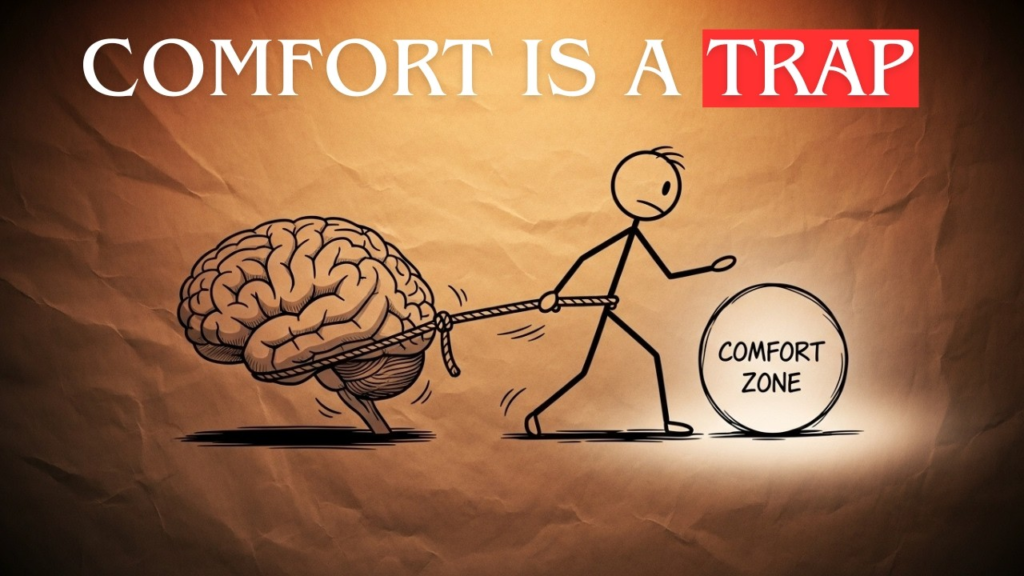
The comfort zone is a psychological state where things feel familiar and manageable. In this zone, you experience low anxiety and stress, which makes it incredibly appealing. However, the comfort zone is also a place of stagnation. Nothing new grows there.
The primary reason we stay trapped in our comfort zones is that our brains are hardwired for survival, not fulfillment. To your evolutionary biology, familiarity equals safety, and the unknown equals danger. When you contemplate making a significant change—such as switching careers or setting boundaries—your brain treats that uncertainty as a literal threat, triggering a subtle internal resistance.
How to Conquer It: Micro-Doses of Discomfort
You do not need to upend your entire life overnight to break free from your comfort zone. In fact, drastic changes often trigger a massive panic response that forces you to retreat right back to what is familiar.
Instead, practice micro-dosing discomfort. Intentionally seek out small, manageable challenges that stretch your boundaries without snapping them.
- If you fear public speaking, start by speaking up once in a casual team meeting.
- If you want to change your diet, alter just one meal a day.
By consistently exposing yourself to minor uncertainties, you train your nervous system to realize that discomfort is not deadly. Over time, your tolerance for ambiguity expands, and what once felt terrifying becomes your new baseline.
2. The Illusion of Perfectionism
Perfectionism is often worn like a badge of honor, disguised as high standards or a drive for excellence. In reality, perfectionism is a defense mechanism. It is the belief that if we live perfectly, look perfectly, and act perfectly, we can minimize or avoid the pain of blame, judgment, and shame.

Perfectionism paralyzes personal growth because it makes the stakes of trying far too high. When the only acceptable outcome is flawless execution, the risk of failure becomes unacceptable. As a result, perfectionists often suffer from chronic procrastination. They delay starting a project, writing a book, or launching a business because the reality of their initial, imperfect attempts cannot match the flawless vision in their minds.
How to Conquer It: Shifting to Iterative Growth
To defeat perfectionism, you must replace the concept of perfection with the concept of iteration. In the world of software development, creators do not wait until a program is perfect to release it; they launch a “minimum viable product” and improve it based on real-world feedback.
Apply this same philosophy to your life. Give yourself permission to create a “sloppy first draft” of whatever you are attempting. Shift your primary metric of success from the quality of the output to the consistency of the effort. When you decouple your self-worth from the immediate outcome of your actions, you free up the mental energy required to actually practice, learn, and grow.
3. The Shadow of Imposter Syndrome
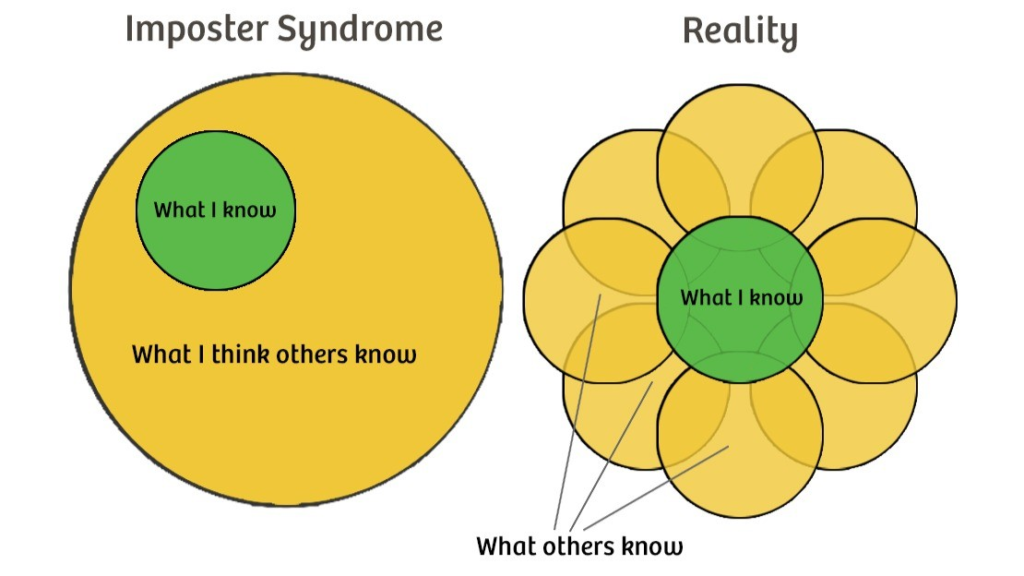
Imposter syndrome is the persistent internal belief that you are a fraud, despite clear evidence of your competence and achievements. It convinces you that your successes are merely the result of luck, timing, or deceiving others, and that you will eventually be exposed.
This obstacle strikes hardest right when you are on the verge of a breakthrough. When you take on a new responsibility or step into a leadership role, imposter syndrome whispers that you do not belong. It causes people to play small, turn down promotions, and silence their own voices out of a fear of being scrutinized.
How to Conquer It: Objective Fact-Checking
Imposter syndrome thrives on emotion, not evidence. When those feelings of fraudulence creep in, you must counter them with cold, objective facts.
Keep a physical or digital log of your concrete achievements, positive feedback, and problems you have successfully solved. When your brain tries to tell you that you are incompetent, review this log. Treat your thoughts as theories rather than absolute truths. Remind yourself that feeling like an imposter is not proof that you are one; it is simply a sign that you are challenging yourself and operating at the edge of your current capabilities.
4. Emotional Avoidance and Unprocessed Trauma
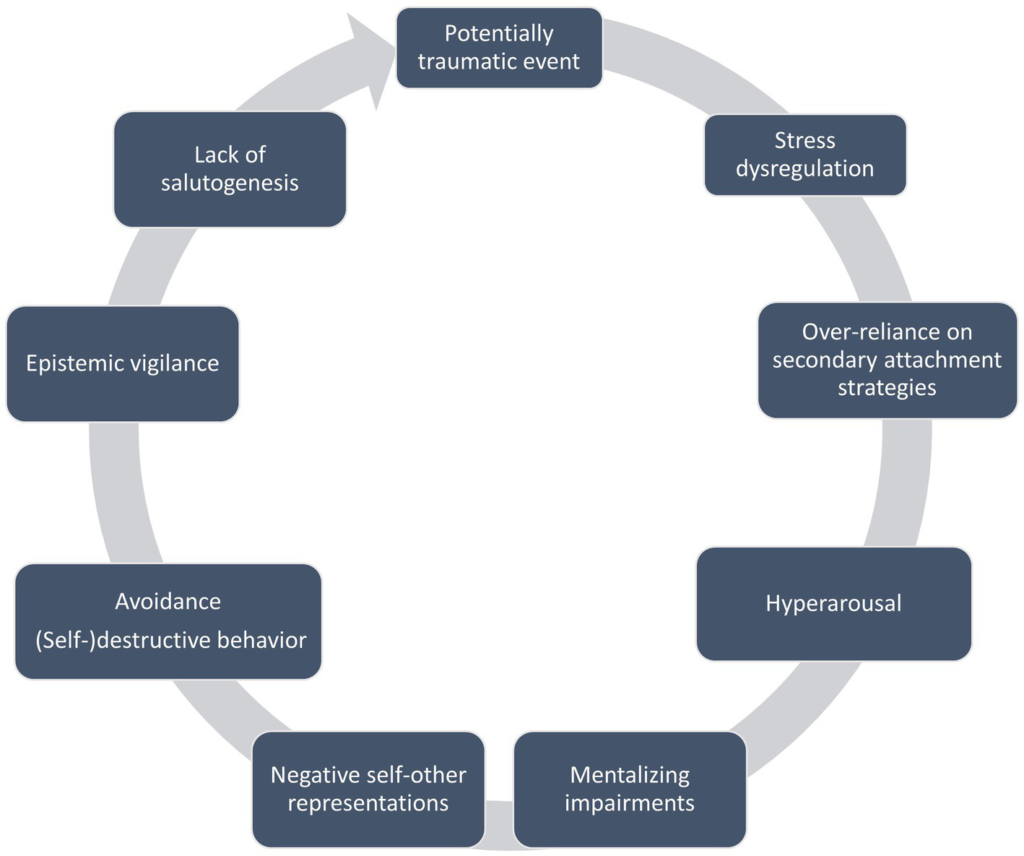
Many people find their personal growth stalled because they are running away from emotional discomfort. Whether it is old childhood conditioning, a painful breakup, or a professional failure, unprocessed emotional pain acts like an anchor.
When we refuse to feel difficult emotions like grief, anger, or disappointment, we develop coping mechanisms to numb them. These can manifest as doom-scrolling, overworking, substance use, or constant distraction. The problem is that you cannot selectively numb emotion. When you numb the painful feelings, you also numb your capacity for joy, passion, and deep connection—the very elements that fuel meaningful growth.
How to Conquer It: Radical Acceptance and Somatic Awareness
Conquering emotional avoidance requires a shift from resistance to allowance. When a difficult emotion arises, resist the urge to immediately fix it, analyze it, or distract yourself from it.
Instead, practice radical acceptance. Name the emotion without judgment: “I am feeling deep anxiety right now.” Locate where that emotion lives in your body—perhaps a tightness in your chest or a knot in your stomach. By sitting with the physical sensation for just a few minutes without running away, you allow the emotion to process through your nervous system. Emotional energy must be moved through, not stored away, before you can move forward with clarity.
5. The Comparison Trap
In an hyper-connected world, it has never been easier to compare your messy behind-the-scenes reality with everyone else’s curated highlight reel. The comparison trap breeds envy, inadequacy, and despair.
When you look at someone else who seems to have the perfect career, body, or lifestyle, you are seeing the destination, not the journey. Comparing your step one to someone else’s step fifty is a mathematical guarantee for frustration. It causes people to abandon their own authentic paths to pursue goals that look good on the outside but are completely misaligned with their internal values.

The only statistically fair comparison you can make is between who you are today and who you were yesterday. Everyone starts with different privileges, genetic predispositions, and environmental factors, making lateral comparisons useless.
Establish a habit of tracking your personal metrics of progress over long timelines. Look back six months, a year, or five years. Notice how much more resilient you are now, how your boundaries have improved, or how your knowledge base has expanded. By redirecting your focus inward, you transform comparison from a source of toxic discouragement into a tool for self-reflection.
The Path Forward
Ultimately, conquering the obstacles to personal growth is not about achieving a state where you never feel fear, doubt, or insecurity. Those feelings are permanent features of the human condition.
True growth occurs when you learn to recognize these obstacles as they appear, acknowledge them with compassion, and take deliberate action anyway. The barriers are predictable, but your capacity to overcome them is entirely up to you.
FAQ’s
1. What is the biggest obstacle to personal growth?
Fear of change and failure is often the biggest obstacle.
2. How can I overcome self-doubt?
Focus on your strengths and take small, consistent actions.
3. Why is consistency important for growth?
It helps build positive habits and long-term progress.
4. How do I stay motivated during challenges?
Set realistic goals and celebrate small achievements.
5. Can personal growth happen at any age?
Yes, personal growth is possible at every stage of life.
- How to Invest in Mutual Funds in 2026: Beginner’s Guide
- DIY Navratri Rangoli Ideas 2026: Easy & Beautiful Designs for Home
- Latest Entertainment Trends 2026: Movies, Music, Streaming & More

- DIY Navratri Hair Clips: Beautiful Dandiya-Inspired Accessories to Make at Home

- Latest Travel Trends 2026: New Ways to Explore the World

- How to Improve Your Decision-Making Skills in Everyday Life

- Best Spirituality Books for Self-Discovery, and Personal Growth in 2026

- Easy Money-Saving Tips to Improve Your Finances in 2026

- Emerging Cultural Trends in 2026: What’s Shaping Modern Life




0 Comments