Building a career is a lot like growing a tree. In the beginning, all you see is a tiny seed placed quietly in the soil. It looks small, almost invisible, yet inside it carries the power to become something strong, useful, and deeply rooted. A career grows in the same way. It begins with learning, curiosity, effort, and patience. Over time, with the right direction and consistent care, it becomes something meaningful.
Career crafting is not just about getting a job or earning money. It is the process of shaping your professional life with purpose. It means understanding who you are, what you value, what skills you possess, and how you want to contribute to the world. For students, career crafting starts with discovering interests and strengths. For professionals, it often involves growth, reinvention, and finding deeper satisfaction in work.
In today’s fast-moving world, career paths are no longer straight lines. Many people change industries, learn new skills, and redefine success multiple times in life. This is why career crafting matters more than ever. It helps you stay flexible while remaining connected to your goals.
Understanding What Career Craft Means

Career craft is the intentional process of designing your professional journey. Instead of allowing circumstances to decide your future, you actively make choices that shape your career.
Think of a river flowing through mountains. It does not move in a perfectly straight path. It bends, adapts, and changes direction when obstacles appear, yet it continues moving forward. Careers work in a similar way. You may face setbacks, unexpected changes, or opportunities you never planned for. Career crafting teaches you how to adapt without losing momentum.
A well-crafted career includes more than salary or job titles. It includes personal growth, work satisfaction, learning opportunities, mental balance, and long-term purpose. Success looks different for everyone. For one person, success may mean becoming a company leader. For another, it may mean having freedom, creativity, and work-life balance.
The first step in career crafting is accepting that your career belongs to you. No one else can define it better than you can.
Why Career Planning Matters for Students
Students often feel pressure when thinking about careers. Questions from family, society, and peers can create confusion. What should I study? Which field pays more? What if I choose wrong?
These questions are natural.
The truth is, very few people have everything figured out at a young age. Career planning for students is less about having all the answers and more about building awareness.
Imagine standing in a wide forest with many paths ahead. At first, the routes may look overwhelming. But once you start walking, the journey becomes clearer. Career exploration works the same way.
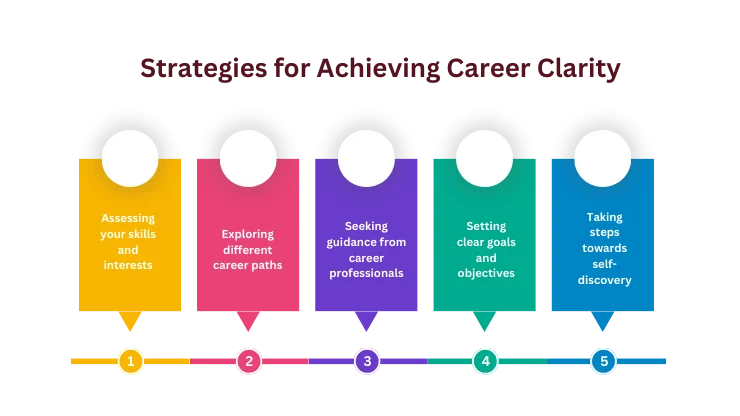
Students should focus on understanding three major areas.
The first is interest. What activities make you feel engaged and excited? Which subjects naturally attract your attention?
The second is strength. What are you good at? Sometimes strengths are obvious, while other times they reveal themselves through experience.
The third is value. What matters to you in life? Security, creativity, service, leadership, flexibility, or innovation?
When students understand these areas, career decisions become less stressful and more meaningful.
Choosing the Right Career Path

Choosing a career path does not mean locking yourself into one identity forever. It simply means selecting a direction based on current knowledge.
Many students make the mistake of choosing careers only because they are popular. Trends change. Industries evolve. What remains valuable is alignment between your abilities and your work.
Some major career sectors include technology, healthcare, finance, education, design, marketing, law, media, and entrepreneurship. Each field offers unique opportunities.
Talk to people already working in these industries. Real conversations provide insights that online articles cannot always offer. Ask about daily responsibilities, challenges, and career growth.
Be practical, but also listen to your inner voice. A career built only on external pressure often feels exhausting over time.
A meaningful career usually sits at the intersection of skill, interest, and opportunity.
Essential Skills for Career Growth
In every profession, skills act like sunlight and water for growth. Without them, progress slows. With them, opportunities multiply.
Technical skills are important because they help you perform job-specific tasks. A software developer needs coding skills. A designer needs creative software expertise. A marketer needs campaign knowledge.
But technical ability alone is no longer enough.
Human skills have become equally important.
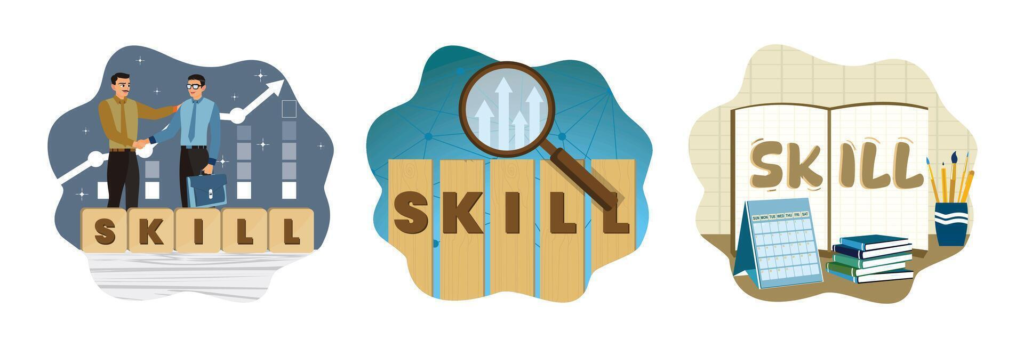
Communication is one of the most valuable career skills. Being able to express ideas clearly improves teamwork, leadership, and confidence.
Problem-solving is another essential skill. Employers value people who can think logically and find solutions.
Adaptability matters because industries change rapidly. Professionals who resist change often struggle, while those who learn continuously stay relevant.
Time management improves productivity and reduces stress. Organizing priorities helps both students and professionals perform better.
Emotional intelligence also plays a major role. Understanding emotions, handling pressure, and building healthy relationships can transform career success.
The workplace is made of people, not just systems. Human connection matters.
The Role of Continuous Learning
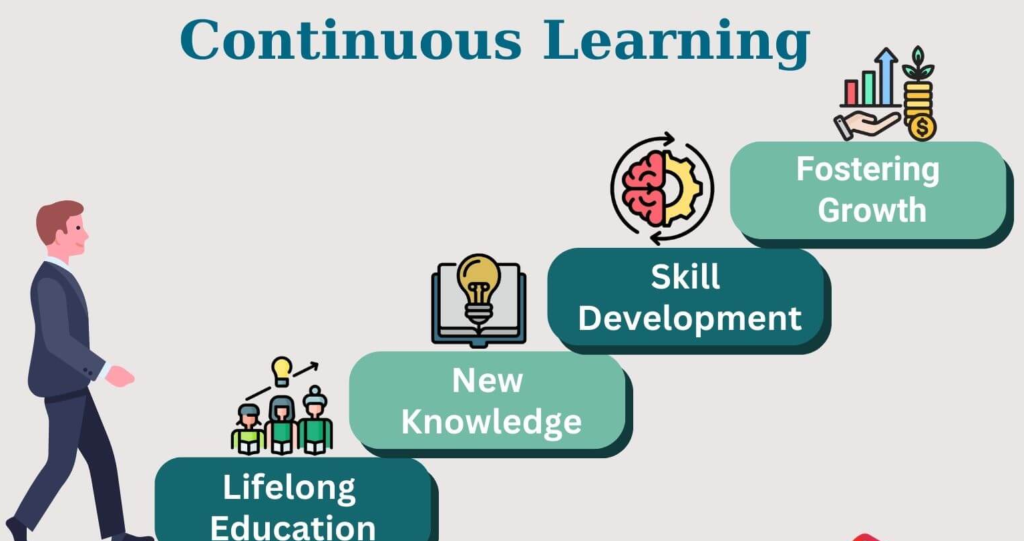
Learning does not end after college. In many ways, real learning begins after formal education.
Technology, market demands, and workplace tools change constantly. Skills that are valuable today may become outdated tomorrow.
Think about the seasons in nature. Spring brings new growth, summer strengthens it, autumn transforms it, and winter prepares the ground for renewal. Learning follows a similar cycle. Growth requires regular renewal.
Professionals who continue learning remain competitive.
You can learn through online courses, certifications, workshops, books, mentors, and practical experience. Even small daily learning habits create powerful long-term results.
Read industry updates. Follow experts. Stay curious.
Curiosity keeps careers alive.
The people who grow fastest are often not the smartest in the room. They are simply the ones most willing to keep learning.
Networking and Career Relationships

Be curious about people.
Ask thoughtful questions. Listen carefully. Offer help where possible.
Healthy career relationships create support during difficult times and open doors during growth periods.
Just as roots beneath the earth strengthen a tree, professional relationships strengthen career stability.
Even if your skills are strong, connections can help amplify your opportunities.
Career growth is rarely a solo journey.
Relationships matter.
Networking is not about collecting contacts for personal gain. True networking is about building genuine professional relationships based on trust and mutual value.
Many opportunities come through connections. Jobs, collaborations, mentorship, and business opportunities often begin with conversations.
Talk to classmates, professors, colleagues, mentors, and industry professionals.
Career Growth for Professionals
For working professionals, career crafting often means evaluating where you are and where you want to go next.
Ask yourself honest questions.
Are you growing?
Are you learning?
Do you feel challenged?
Does your work align with your long-term goals?
Sometimes career growth means seeking promotions. Sometimes it means changing industries. Sometimes it means starting a business or freelancing.
Avoid staying stuck in comfort for too long.
FAQ’s
1. What is career crafting?
Career crafting is the process of planning and shaping your career based on goals, skills, and interests.
2. Why is career planning important for students?
It helps students choose the right path and prepare for future opportunities.
3. How can professionals grow in their careers?
By learning new skills, networking, and adapting to industry changes.
4. What skills are essential for career success?
Communication, problem-solving, adaptability, and technical skills.
5. Can career goals change over time?
Yes, career goals often evolve with experience, interests, and opportunities.
- How to Invest in Mutual Funds in 2026: Beginner’s Guide
- DIY Navratri Rangoli Ideas 2026: Easy & Beautiful Designs for Home
- Latest Entertainment Trends 2026: Movies, Music, Streaming & More

- DIY Navratri Hair Clips: Beautiful Dandiya-Inspired Accessories to Make at Home
- Latest Travel Trends 2026: New Ways to Explore the World

- How to Improve Your Decision-Making Skills in Everyday Life




0 Comments