Introduction: Why Healthy Relationships Matter
Human beings are naturally wired for connection. Whether it is with family, friends, colleagues, or partners, relationships play a central role in shaping our lives. Healthy relationships provide support, encouragement, and a sense of belonging. They help us grow, navigate challenges, and experience life more fully.
However, strong relationships do not happen by chance. They require effort, understanding, and consistent care. Building healthy relationships is not about perfection but about creating connections based on trust, respect, and open communication. When these elements are present, relationships become a source of strength rather than stress.
Understanding What Makes a Relationship Healthy
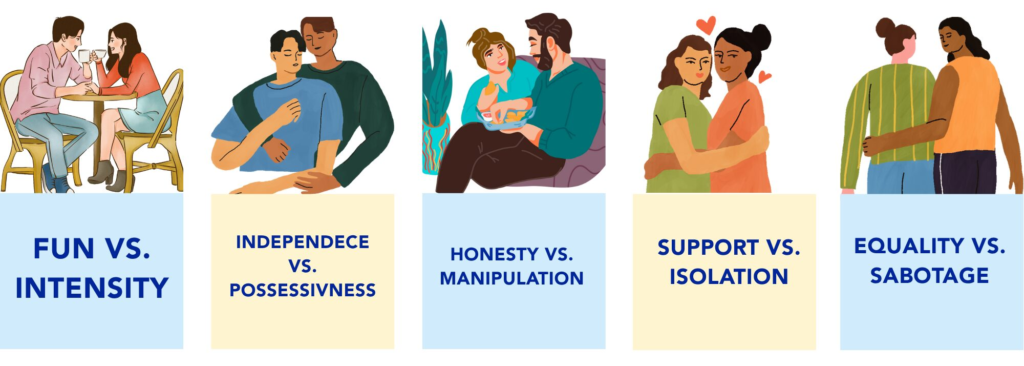
A healthy relationship is one where both individuals feel valued, respected, and understood. It is built on mutual trust and the ability to communicate openly without fear of judgment. In such relationships, both people are able to express their thoughts and emotions freely.
Balance is another important factor. A healthy relationship allows both individuals to maintain their independence while still being connected. It is not about control or dependency but about support and partnership.
Respect plays a key role as well. Differences in opinions, values, or perspectives are natural, but in a healthy relationship, these differences are handled with understanding rather than conflict.
The Role of Communication
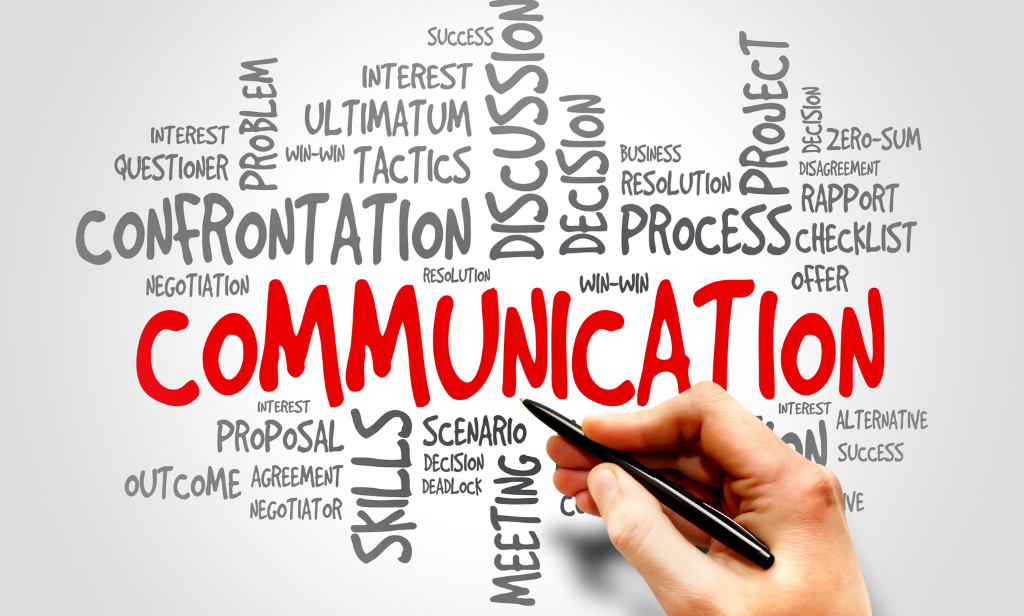
Communication is the foundation of any strong relationship. Without it, misunderstandings can easily arise, leading to confusion and conflict. Effective communication is not just about speaking; it is also about listening.
Active listening involves giving your full attention, understanding the other person’s perspective, and responding thoughtfully. It shows that you value what the other person has to say.
Honesty is equally important. Being open about your thoughts and feelings helps build trust. Avoiding difficult conversations may seem easier in the short term, but it can create bigger problems over time. Addressing issues calmly and respectfully strengthens the relationship.
Building Trust Over Time
Trust is not built overnight. It develops gradually through consistent actions and honesty. When you keep your promises, show reliability, and act with integrity, trust begins to grow.
Breaking trust, on the other hand, can be damaging. It takes time and effort to rebuild. This is why it is important to be mindful of your actions and how they affect others.
Trust also involves vulnerability. Being able to share your thoughts, fears, and experiences without fear of judgment creates a deeper connection. When both individuals feel safe to be themselves, the relationship becomes stronger.
Respecting Boundaries
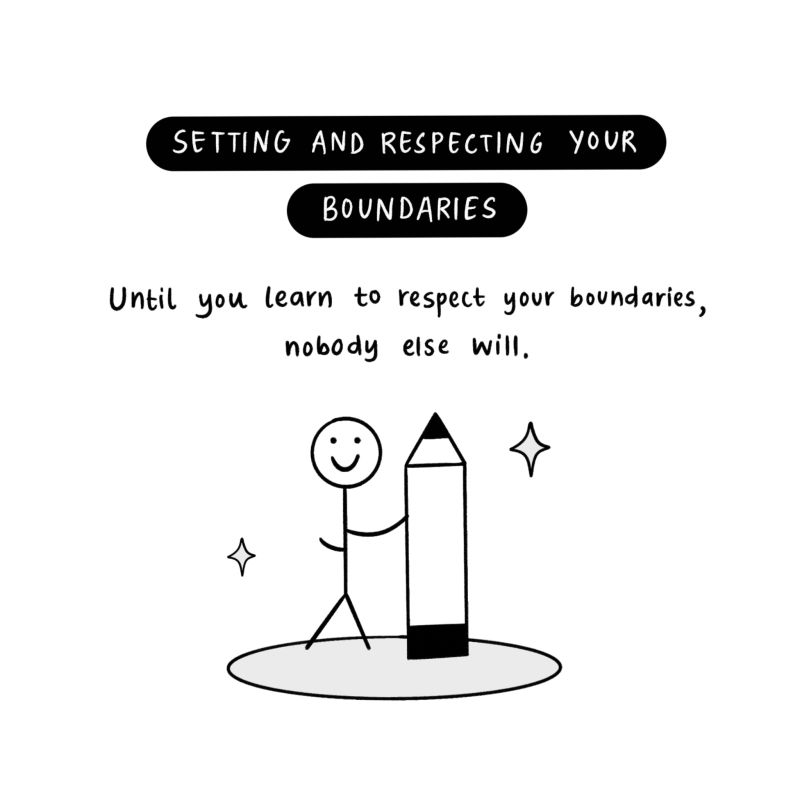
Boundaries are essential for maintaining a healthy relationship. They define what is acceptable and what is not, helping both individuals feel comfortable and respected.
Setting boundaries does not mean creating distance. Instead, it ensures that both people have the space they need to maintain their individuality. This includes respecting personal time, opinions, and emotional limits.
Clear communication is important when it comes to boundaries. Expressing your needs and understanding the needs of others helps prevent misunderstandings and builds mutual respect.
Emotional Support and Empathy
One of the most valuable aspects of a healthy relationship is emotional support. Being there for someone during difficult times shows care and commitment. It strengthens the bond and creates a sense of security
Empathy plays a crucial role in this process. It involves understanding and sharing the feelings of another person. When you show empathy, you acknowledge the other person’s emotions without judgment.
Providing support does not always mean solving problems. Sometimes, simply listening and being present is enough. This kind of support builds trust and deepens the connection.
Managing Conflict in a Healthy Way

Conflict is a natural part of any relationship. Differences in opinions and perspectives are inevitable. What matters is how these conflicts are handled.
Healthy conflict resolution involves staying calm, listening to each other, and focusing on the issue rather than attacking the person. Avoiding blame and criticism helps keep the conversation constructive.
Compromise is often necessary. It allows both individuals to find a solution that works for both sides. The goal is not to win an argument but to strengthen the relationship.
Learning to manage conflict effectively can turn challenges into opportunities for growth.
The Importance of Quality Time

Spending quality time together is essential for maintaining a strong connection. In today’s busy world, it is easy to become distracted by work, technology, and daily responsibilities. However, making time for each other helps keep the relationship strong.
Quality time does not have to be elaborate. Simple activities like having a meaningful conversation, sharing a meal, or enjoying a hobby together can make a difference. What matters is the attention and presence you give.
Being fully present during these moments shows that you value the relationship. It helps build deeper connections and creates lasting memories.
Encouraging Growth and Independence
A healthy relationship supports personal growth. Both individuals should feel encouraged to pursue their goals and interests. This not only benefits each person but also strengthens the relationship as a whole.
Independence is an important part of this process. While connection is essential, maintaining a sense of individuality ensures that the relationship remains balanced. It prevents feelings of dependency or restriction.
Supporting each other’s growth creates a positive environment where both individuals can thrive.
Recognizing and Avoiding Toxic Patterns
Not all relationships are healthy. Recognizing toxic patterns is an important step in building better connections. These patterns may include constant criticism, lack of respect, poor communication, or controlling behavior.
Ignoring these issues can lead to long-term damage. Addressing them early is crucial. This may involve setting stronger boundaries, improving communication, or seeking support if needed.
A healthy relationship should bring positivity and growth, not constant stress or negativity. Being aware of these patterns helps you make better choices.
The Role of Consistency and Effort
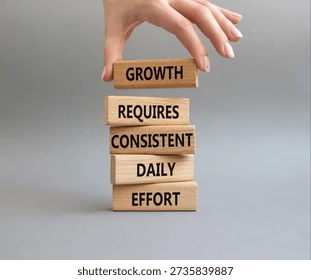
Strong relationships require consistent effort. Small actions, repeated over time, have a big impact. Showing appreciation, being supportive, and maintaining open communication all contribute to a healthy connection.
Consistency builds trust and reliability. It shows that you are committed to the relationship. Even simple gestures, like checking in or expressing gratitude, can strengthen the bond.
Effort should come from both sides. A balanced relationship involves mutual care and commitment.
Conclusion: Building Stronger Connections for Life
Building healthy relationships is a continuous process. It requires patience, understanding, and a willingness to grow together. There will be challenges along the way, but with the right approach, these challenges can strengthen the connection.
By focusing on communication, trust, respect, and support, you create a strong foundation for meaningful relationships. These connections enrich your life, providing comfort, encouragement, and a sense of belonging.
In the end, healthy relationships are not about perfection. They are about effort, understanding, and the ability to grow together. When you invest in your relationships, you build connections that last and create a more fulfilling life.
F&Q
1. What is a healthy relationship?
A relationship built on trust, respect, and clear communication.
2. How can I improve communication?
Listen actively, speak honestly, and avoid assumptions.
3. Why are boundaries important?
They protect personal space and maintain mutual respect.
4. How do you build trust?
Be consistent, honest, and reliable over time.
5. How can conflicts be resolved?
Stay calm, listen, and focus on solutions, not blame.
- How to Invest in Mutual Funds in 2026: Beginner’s Guide
- DIY Navratri Rangoli Ideas 2026: Easy & Beautiful Designs for Home
- Latest Entertainment Trends 2026: Movies, Music, Streaming & More

- DIY Navratri Hair Clips: Beautiful Dandiya-Inspired Accessories to Make at Home

- Latest Travel Trends 2026: New Ways to Explore the World




0 Comments