Building a successful career rarely happens by accident. Most people who achieve professional satisfaction and long-term success do not simply stumble into the perfect job. Instead, they intentionally shape their careers through planning, learning, experimentation, and consistent action. In today’s rapidly changing world, career development is no longer a one-time decision made after school or college. It has become an ongoing process that requires flexibility, self-awareness, and continuous growth.
Many people dream about having meaningful work, financial stability, and professional recognition, but turning those dreams into reality requires more than motivation alone. Building your dream career is similar to crafting something valuable with your own hands. It takes patience, adjustments, learning from mistakes, and staying focused during uncertain times.
Career crafting means taking control of your professional path rather than waiting for opportunities to appear. Whether you are just starting out, considering a career change, or looking to move forward in your current field, practical strategies can help you create a career that aligns with your goals and personal values.
Understanding What Your Dream Career Really Means
Before building your ideal career, it is important to understand what success actually means to you. Many people make the mistake of chasing careers based solely on salary, social expectations, or popular trends. While financial security matters, long-term career satisfaction often comes from deeper factors.
Your dream career should align with your interests, strengths, personality, lifestyle goals, and long-term ambitions. Some people value creativity and flexibility, while others prioritize stability, leadership opportunities, or work-life balance. Defining your personal version of success creates a stronger foundation for decision-making.
Taking time for self-reflection helps identify what type of work energizes you and what environments allow you to perform your best. Understanding these factors makes career choices more intentional and less influenced by outside pressure.
Building Skills That Create Opportunities
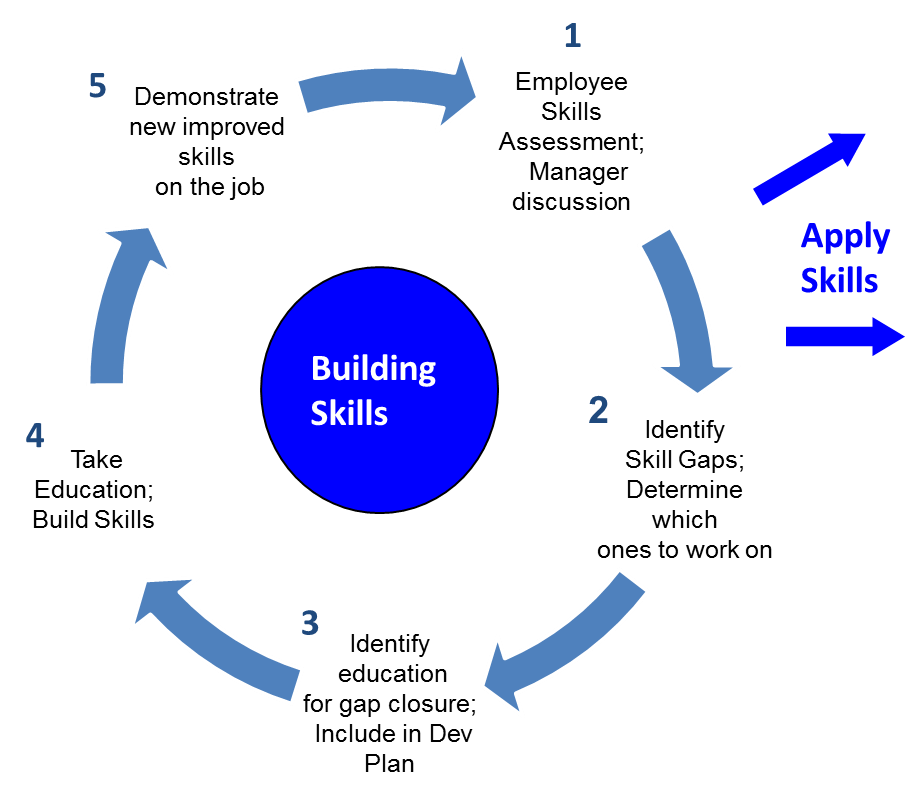
Career growth is closely connected to skill development. The modern workplace changes quickly, and industries constantly evolve due to technology, consumer behavior, and market demands. People who invest in learning often create more opportunities for themselves.
Developing valuable skills does not always require expensive education or formal qualifications. Many professionals build expertise through online learning, practical projects, workshops, internships, and real-world experience.
Technical skills may help you enter specific industries, but soft skills often determine long-term success. Communication, adaptability, problem-solving, leadership, and collaboration continue to play major roles in professional advancement.
Learning should become part of your career strategy rather than something you only pursue when necessary. Small improvements over time often create significant professional advantages.
Creating a Clear Career Vision
Without direction, career decisions can become confusing and inconsistent. Creating a clear vision provides guidance when choosing jobs, learning new skills, or pursuing opportunities.
A strong career vision does not require having every detail figured out. Instead, it involves understanding where you want to move professionally over the next few years. Thinking about desired industries, work environments, income goals, and lifestyle preferences creates a clearer picture.
Career planning works best when large goals are divided into smaller, manageable steps. Reaching a dream career often involves multiple stages rather than one major breakthrough.
People who create structured plans usually find it easier to measure progress and adjust strategies when challenges appear.
Building Professional Relationships That Matter

Networking often creates anxiety because many people associate it with uncomfortable conversations or self-promotion. In reality, meaningful networking focuses on building genuine relationships rather than collecting contacts.
Connecting with colleagues, mentors, classmates, industry professionals, and peers creates access to valuable insights and opportunities. Conversations often provide information that cannot easily be found through job descriptions or online research.
Career growth is rarely achieved alone. Professional relationships play an important role in discovering opportunities, learning from others, and gaining industry knowledge.
Strong professional relationships develop over time through consistency, curiosity, and mutual support. Even small interactions can eventually create meaningful career opportunities.
Gaining Experience Beyond Traditional Paths
Experience remains one of the most valuable career assets. However, experience does not always come from full-time employment alone.
Freelance projects, volunteer work, internships, personal projects, certifications, and side work can help develop practical skills while building confidence. Many successful professionals built their careers by creating opportunities rather than waiting for perfect positions to appear.
Employers increasingly value demonstrated abilities. Showing real examples of your work often creates stronger impressions than simply listing qualifications.
Taking small steps toward gaining experience often creates momentum that leads to larger opportunities later.
Learning How to Adapt to Change
Adaptability has become one of the most valuable professional qualities. People who can learn new skills, adjust strategies, and embrace change often remain competitive during uncertain times.
Viewing career changes as opportunities for growth rather than failures creates stronger resilience and confidence.
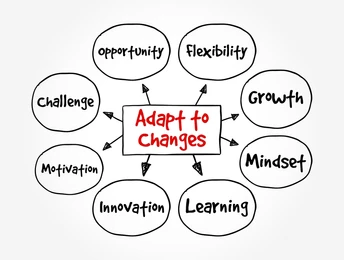
Career paths today are less predictable than they were in previous generations. Industries transform quickly, new job roles emerge, and economic conditions change unexpectedly.
Being adaptable does not mean abandoning goals whenever circumstances shift. Instead, it means adjusting methods while staying focused on long-term objectives.
Developing Confidence Through Action
Many people delay career decisions because they feel unprepared or fear making mistakes. Waiting for perfect confidence often leads to missed opportunities.
Confidence usually develops through action rather than preparation alone. Applying for jobs, attending interviews, starting projects, learning new skills, and taking professional risks create experience that builds confidence naturally.
Mistakes are unavoidable during career development. Every successful professional has experienced rejection, uncertainty, and setbacks. The difference often lies in how they respond to those experiences.
Small actions repeated consistently often create larger career transformations than occasional bursts of motivation.
Maintaining Work-Life Balance While Growing Professionally

Career success becomes difficult to enjoy when personal wellbeing is constantly sacrificed. Many people pursue ambitious goals while ignoring physical health, relationships, or mental wellbeing.
Sustainable career growth requires balance. Productivity often improves when people maintain healthy routines, adequate rest, and time for personal interests.
Creating boundaries around work helps prevent burnout and supports long-term performance. Building your dream career should improve your overall quality of life rather than damage it.
Success becomes more meaningful when professional achievements exist alongside personal fulfillment.
Staying Consistent During Difficult Periods
Career growth rarely follows a straight line. Promotions may take longer than expected, job searches may become frustrating, and unexpected obstacles may appear.
Consistency often matters more than perfection. Continuing to learn, improve, and move forward during difficult periods creates long-term advantages.
Comparing your progress to others can make career development feel discouraging. Everyone moves at different speeds and faces different circumstances. Focusing on your own growth creates healthier motivation.
Persistence does not guarantee immediate results, but it significantly increases the chances of long-term success.
FAQ’s
1. What is career crafting?
Career crafting means actively shaping your career path through planning, learning, and growth.
2. How can I build my dream career?
Set clear goals, improve skills, gain experience, and stay consistent.
3. Why are skills important for career success?
Skills increase opportunities, improve performance, and support career growth.
4. How long does it take to build a successful career?
Career growth varies, but consistent effort produces long-term results.
5. Can I change careers later in life?
Yes, many professionals successfully change careers with planning and skill development.
- How to Invest in Mutual Funds in 2026: Beginner’s Guide
- DIY Navratri Rangoli Ideas 2026: Easy & Beautiful Designs for Home
- Latest Entertainment Trends 2026: Movies, Music, Streaming & More

- DIY Navratri Hair Clips: Beautiful Dandiya-Inspired Accessories to Make at Home

- Latest Travel Trends 2026: New Ways to Explore the World

- How to Improve Your Decision-Making Skills in Everyday Life




0 Comments