In today’s competitive job market, simply having a degree or a decent resume isn’t enough to guarantee success. Standing out in any industry requires more than just meeting the basic qualifications—it demands a strategic approach to shaping your career path that highlights your unique strengths and adaptability. This is where effective career craft techniques come into play. Crafting your career is an ongoing process of self-reflection, skill development, and proactive positioning that helps you not only survive but thrive in your chosen field.
In this article, we’ll explore practical and powerful career craft techniques that can help you distinguish yourself, no matter the industry you are in. From understanding your personal strengths to building networks and continuously evolving your skill set, these strategies will equip you to take control of your professional journey and make a lasting impression.
1. Know Yourself Deeply: Leverage Your Strengths and Passions

One of the foundational steps in career crafting is self-awareness. You must understand your unique skills, interests, values, and personality traits. This self-knowledge enables you to align your career choices with what truly motivates and energizes you, leading to greater satisfaction and excellence.
Start by conducting a personal inventory: identify what tasks you excel at, what environments you thrive in, and what kind of work you find meaningful. Tools like personality assessments, feedback from colleagues, and reflection journals can help uncover insights. When you build your career around your authentic self, your enthusiasm and commitment become evident to employers and peers, helping you stand out naturally.
2. Develop a Unique Value Proposition
In a crowded job market, having a clear value proposition is crucial. This is a concise statement that communicates what makes you different from others in your industry—your unique combination of skills, experiences, and attributes that deliver value.
Think of it as your professional brand. To craft it effectively, consider the specific problems you solve, the results you’ve achieved, and how your approach differs from others. For instance, if you are a marketing professional, your value proposition might highlight your expertise in digital campaigns combined with a knack for storytelling that drives customer engagement. Keep this value proposition visible in your resume, LinkedIn profile, and networking conversations to create a memorable impression.
3. Continuously Upgrade Your Skills
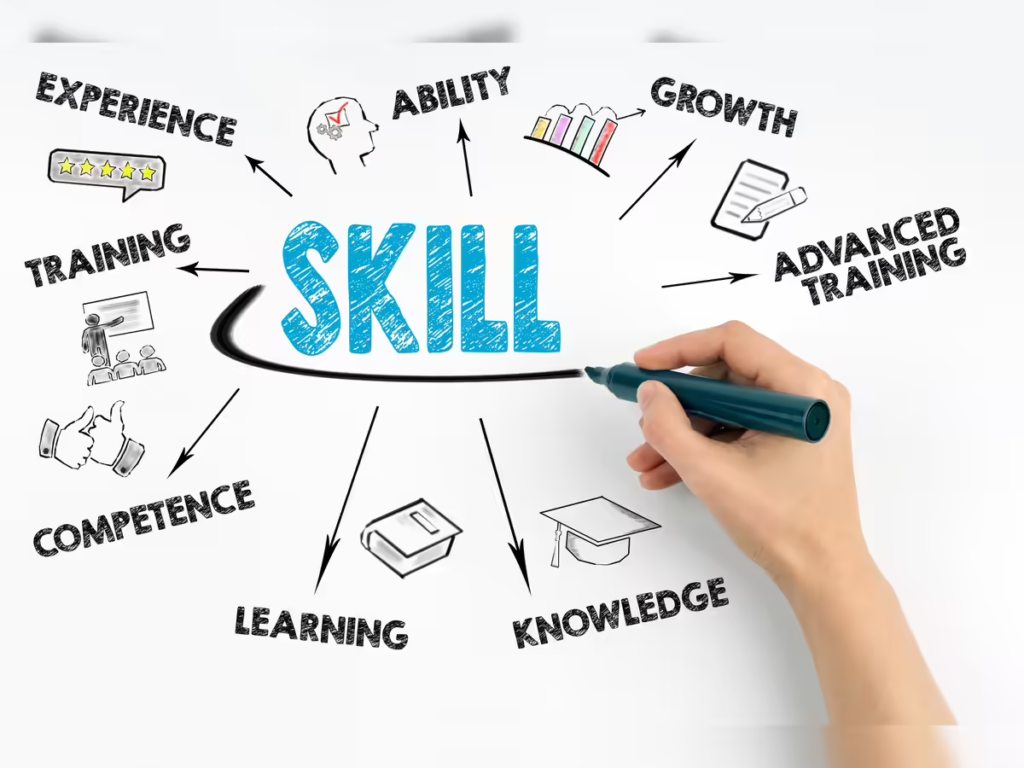
Industries evolve rapidly, and standing still means falling behind. One of the most effective ways to stand out is by committing to lifelong learning. Whether it’s mastering new technologies, acquiring certifications, or developing soft skills like leadership and communication, continuous skill enhancement keeps you relevant and competitive.
Make learning a habit by setting aside time regularly to read industry news, enroll in courses, attend workshops, or participate in professional groups. This not only builds your expertise but also demonstrates to employers and collaborators that you are proactive and invested in your growth.
4. Build and Nurture Strategic Networks
Networking remains one of the most powerful career craft techniques. It’s not just about collecting contacts but cultivating meaningful relationships that can open doors, provide mentorship, and offer diverse perspectives.
Focus on building a diverse network that includes peers, industry veterans, cross-disciplinary professionals, and even potential clients. Engage genuinely—offer help, share insights, and stay in touch. Quality relationships can set you apart in an industry because they often lead to referrals, collaborations, and visibility that no resume alone can achieve.
5. Showcase Your Work and Achievements

Don’t wait for opportunities to come to you—actively showcase your expertise and accomplishments. This can be done through personal websites, blogs, social media, presentations, or speaking engagements. Sharing your knowledge and success stories publicly positions you as a thought leader and trusted professional in your field.
For example, publishing case studies or project summaries demonstrates your problem-solving skills and results orientation. Regular contributions to industry discussions, whether through articles or forums, keep you top of mind and signal your commitment and expertise.
6. Embrace Flexibility and Adaptability
The modern career landscape is dynamic. Technologies change, markets shift, and new roles emerge. Being flexible and adaptable not only helps you survive these changes but also become a go-to person for innovative solutions.
Career crafting involves anticipating change and positioning yourself to take advantage of new trends. This might mean learning new software, switching to a different specialization, or even reimagining your professional identity. Employers value those who can pivot effectively while maintaining high performance.
7. Seek Feedback and Reflect Regularly
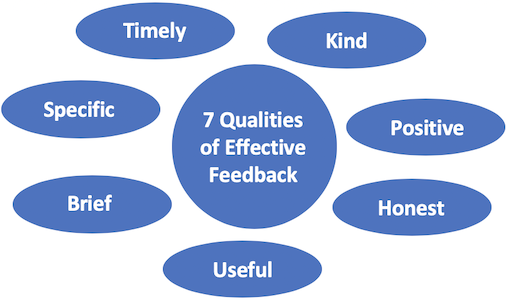
Feedback is a vital tool for growth and differentiation. Regularly seek constructive input from supervisors, colleagues, and mentors to understand your strengths and areas for improvement. Use this feedback to adjust your strategies and behaviors, making you more effective and noticeable.
Reflection, too, is important. Set aside time to assess your career progress, goals, and satisfaction. This helps ensure that your efforts remain aligned with your evolving aspirations and industry demands.
8. Demonstrate Initiative and Leadership
Taking initiative shows that you are invested in your role and the success of your organization. Look for opportunities to contribute beyond your job description—whether by proposing new projects, mentoring others, or improving processes.
Leadership isn’t reserved for managers. Anyone can demonstrate leadership qualities by being proactive, communicating clearly, and inspiring others. This behavior sets you apart as a valuable asset and positions you for advancement.
9. Cultivate a Positive, Professional Reputation
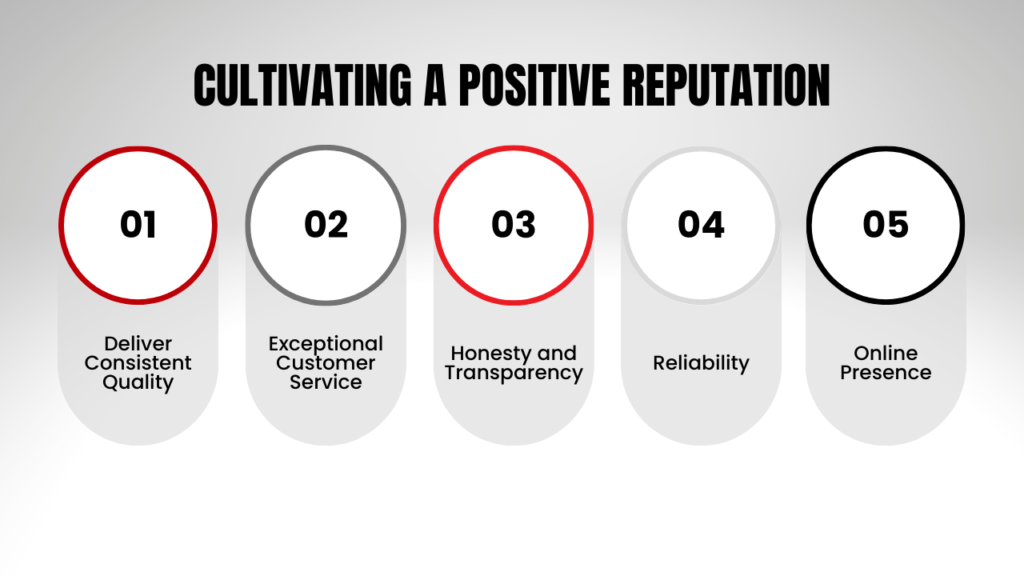
How others perceive you can be as important as your technical skills. Aim to build a reputation for reliability, integrity, and collaboration. Being known as someone who consistently delivers quality work on time and treats others with respect creates goodwill and trust.
Reputation is often the deciding factor when opportunities arise. It’s built through everyday interactions, so pay attention to how you engage with colleagues, clients, and industry contacts.
10. Align Your Career with Emerging Trends and Needs
Finally, staying informed about industry trends helps you anticipate where demand is growing and what skills will be prized in the future. By aligning your career trajectory with these trends, you position yourself ahead of the curve.
This might involve specializing in emerging technologies, embracing sustainability initiatives, or developing expertise in an underserved niche. Being a forward-thinker gives you a competitive edge and makes you indispensable.
Mastering these career craft techniques takes time and dedication, but the payoff is a career that stands out, adapts to change, and grows with you. Remember, your career is not just a path you follow—it’s a journey you actively create. By investing in self-awareness, skill-building, networking, and personal branding, you can carve out a distinctive space for yourself in any industry and confidently navigate the professional world.
Whether you’re just starting or are a seasoned professional, these strategies will serve as powerful tools to help you reach your goals and make your mark.
Stay curious, remain adaptable, and keep crafting your career with intention—your future self will thank you.
FAQ’s
1. What are career craft techniques?
Methods to improve skills and career growth.
2. How can I stand out in my industry?
Build skills, network, and stay updated.
3. Why is personal branding important?
It helps create a strong professional image.
4. How can continuous learning help careers?
It improves knowledge and opportunities.
5. What is the key to long-term career success?
Consistency, adaptability, and skill development.
- How to Invest in Mutual Funds in 2026: Beginner’s Guide
- DIY Navratri Rangoli Ideas 2026: Easy & Beautiful Designs for Home
- Latest Entertainment Trends 2026: Movies, Music, Streaming & More

- DIY Navratri Hair Clips: Beautiful Dandiya-Inspired Accessories to Make at Home

- Latest Travel Trends 2026: New Ways to Explore the World

- How to Improve Your Decision-Making Skills in Everyday Life




0 Comments