Time management is all about using your time effectively. You probably wish you had more hours in the day to juggle tasks, emails, meetings, and all life’s obligations. But what if the real solution is not more time, but using your time better?
Effective time management replaces the feeling of overload and the stress of juggling tasks with predictability and control. It helps you become more productive and proficient. And it eliminates the rush of last-minute projects to ease your mental load.
Master ways to work smarter, not harder, with our practical, evidence-based strategies for prioritizing tasks and taking control of your time.
Time management tips are the practice of planning and organizing how time is used across different activities to work more effectively and productively. It helps individuals achieve their goals while maintaining balance between work and personal life, reducing stress and avoiding last-minute pressure.
Strong time management tips involves prioritizing tasks, setting realistic goals, scheduling wisely and minimizing distractions to ensure important work is completed on time.
Plan Your Day in Advance
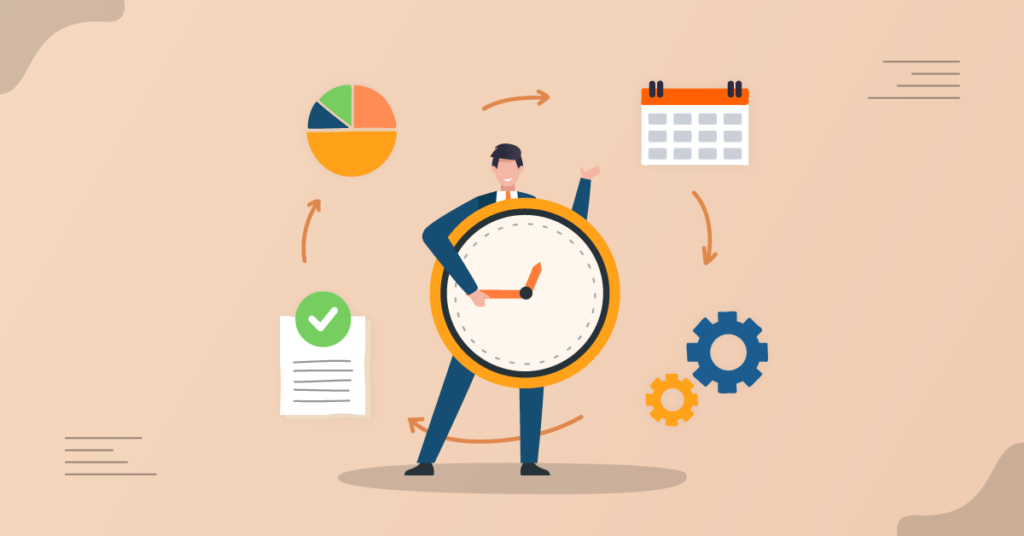
Planning your day in advance is among the most effective Time Management Tips. Proper Time Management at work focuses on delivering quality rather than simply increasing the quantity of output. Working longer hours does not always lead to better results. Instead of extending your day, try dividing your tasks into focused time blocks and completing them within set periods.
This approach can improve both efficiency and productivity. You can also use digital tools to organise your schedule, such as creating a colour-coded calendar to structure and manage your working day effectively.
Block Time on Your Calendar
Whenever you need to complete a task, allocate dedicated time for it in your calendar. You do not need to schedule every single activity, as over-managing your system can sometimes reduce actual productivity. Focus on scheduling your most important task of the day. Whether it’s making a call or updating your website, block out time specifically for that task. Having it in your calendar ensures it gets done, even if you need to adjust the timing.
Eliminate Distractions and Protect Focus Time
Distractions can significantly reduce productivity and delay task completion. Identifying common interruptions, such as notifications, Social Media or unnecessary meetings, is the first step towards maintaining focus. Create a dedicated workspace and set clear boundaries to minimise interruptions during critical work periods.
Using tools like focus modes, website blockers or noise-cancelling methods can further enhance concentration. Protecting your focus time allows you to work more efficiently, complete tasks faster, and maintain a higher quality of output.
Set SMART priorities
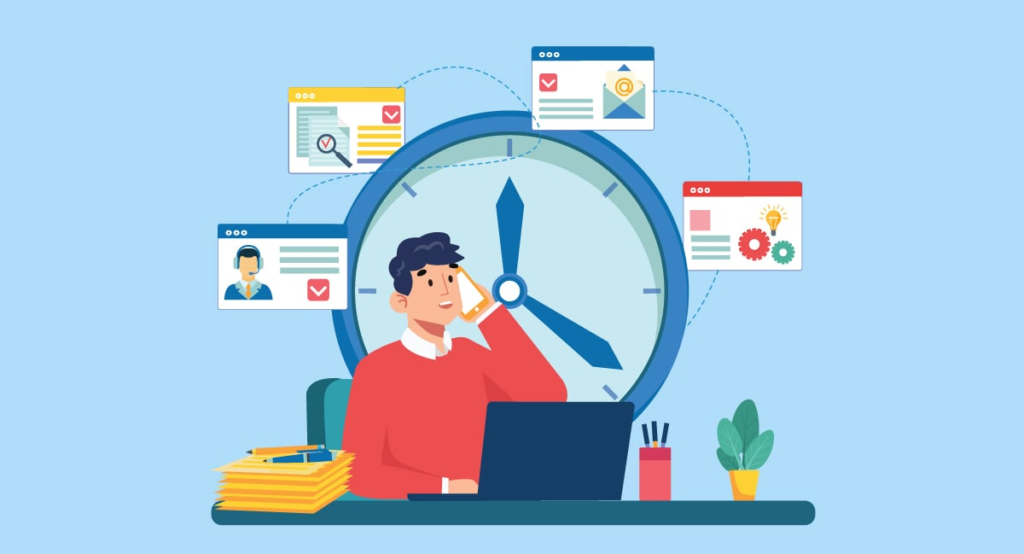
Use the urgent-important matrix to categorize tasks based on priority and urgency, separating what’s important from what’s simply urgent. Focus on important but not urgent activities to avoid crises. Set SMART goals (Specific, Measurable, Achievable, Relevant, Time-bound) to maintain clarity and direction. A SMART goal turns a vague intention, such as “respond to customers faster,” into a concrete target: “Resolve all tier-one support tickets within four business hours by end of quarter.” That specificity makes it significantly easier to prioritize your schedule and recognize when you’ve succeeded.
Goal clarity also prevents scope creep. When a goal is well defined from the start, it’s easier to say no to work that falls outside it — and to protect the focused time required to complete it.
Plan weekly and adjust regularly
Start each week by reviewing upcoming meetings, deadlines, and priorities. Block time for high-value work and map out key responsibilities so your schedule reflects what matters most. As the week unfolds, revisit and adjust your plan to account for changes such as shifting deadlines or new priorities.
Consider running a time audit periodically. Spend a few days tracking how you use each hour — noting tasks, interruptions, meetings, and transitions. The results often reveal hidden time drains: meetings without clear outcomes, reactive work crowding out proactive priorities, or task-switching that adds up to hours lost each week.
Compare the audit results against your intended priorities. Are your highest-value tasks getting your best hours? If not, use the insight to restructure your schedule. Even a single time audit can surface changes that meaningfully shift how you work.
Match tasks to your energy levels
Your capacity for focused work isn’t constant throughout the day. Most people experience natural peaks and troughs in energy, and scheduling work to match those patterns is one of the most underused time management strategies.
Identify when you feel most alert and creative — typically mid-morning for early risers. Reserve that window for deep, cognitively demanding work: writing, analysis, problem-solving, and strategic planning. Route routine tasks — email, admin, scheduling — to lower-energy periods.
This approach helps you produce better work with less effort by aligning your most important tasks with your natural performance peak rather than squeezing them into whatever time is left.
Limiting Social Media to Specific Time Slots
Social Media can easily become a major distraction if not managed properly. In fact, according to recent statistics, just 5% of people in the UK use Social Media exclusively for work-related purposes. Allocating specific times to check your accounts helps you stay focused and prevents unnecessary scrolling during work hours. Check Social Media only during designated breaks and disable notifications to avoid interruptions during work.
Block Time on Your Calendar
Whenever you need to complete a task, allocate dedicated time for it in your calendar. You do not need to schedule every single activity, as over-managing your system can sometimes reduce actual productivity. Focus on scheduling your most important task of the day. Whether it’s making a call or updating your website, block out time specifically for that task. Having it in your calendar ensures it gets done, even if you need to adjust the timing.
Rest is not a Reward, It’s Fuel !
Here’s a controversial opinion: rest should not be earned. It should be scheduled. We live in a culture that glorifies hustle. Being tired is sometimes worn like a badge of honor. But exhaustion is not ambition. It’s a warning sign. Think of rest as maintenance. Just like a car needs fuel and servicing, your brain needs sleep, movement, and downtime. Without it, performance drops. Creativity shrinks and motivation fades.
The Weekly Reset is your Secret Weapon
Daily planning keeps you focused. Weekly reflection keeps you aligned. Once a week, pause. Ask yourself: What worked? What drained me? What distracted me? Here, honesty is required not judgement.
Maybe you realize social media eats two hours a day. Maybe you notice you’re most productive on quiet mornings. Maybe you’re saying yes to too many small commitments. This isn’t about perfection. It’s about adjustment. Time management isn’t a rigid system. It’s a living strategy that evolves with you.
Focus on one thing at a time.
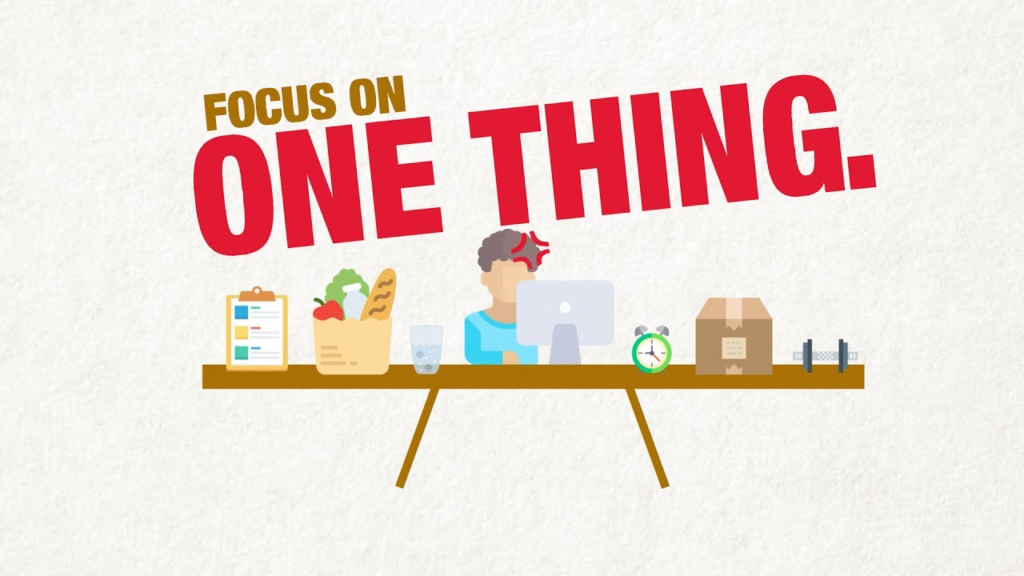
For most of us, multitasking is generally less efficient than focusing on one task at a time. One study found that only 2.5 percent of people can multitask effectively . Doing too many things at once can impact your cognitive ability, making you feel unproductive or dissatisfied with your progress. Arranging your time so that you complete one task before starting another can boost your confidence.
FAQ’s
1. What is time management?
Time management is the practice of planning and organizing your time so you can complete important tasks efficiently.
2. How can I improve my time management in 2026?
Set clear priorities, plan your day, avoid distractions, and give yourself realistic deadlines.
3. What is the best way to manage daily tasks?
Start by identifying your most important tasks and schedule them during the hours when you are most focused.
4. How does time management improve productivity?
Good time management helps you focus on priorities, reduce wasted time, and complete tasks with less last-minute pressure.
5. How can I avoid wasting time?
Limit unnecessary notifications, reduce multitasking, and set specific time blocks for important activities.



0 Comments