Remember when learning a new language felt like sitting in a sterile, fluorescent-lit classroom, mindlessly memorizing conjugation tables that evaporated from your brain by sunset? We have all stared blankly at vocabulary lists, feeling defeated by the sheer mechanical coldness of traditional study methods. But step outside today, listen to the rustling leaves, feel the damp morning soil beneath your feet, and take a deep breath. Language learning, at its core, is a deeply organic human experience. It is about human connection, personal survival, and anchoring cultural roots into a new landscape.
As we navigate 2026, the way we consume knowledge is shifting dramatically. While pocket apps and robotic artificial intelligence try to fast-track our fluency with cold algorithms and sterile loops, human beings are increasingly returning to the tactile comfort of physical books. There is a quiet, meditative magic in turning heavy paper pages, smelling fresh ink, and letting language grow slowly in your mind like a wildflower breaking through spring frost. Let’s wander through the absolute best literary companions to help you cultivate a new tongue this year.
The Neuroscience Masterpiece: Fluent Forever by Gabriel Wyner
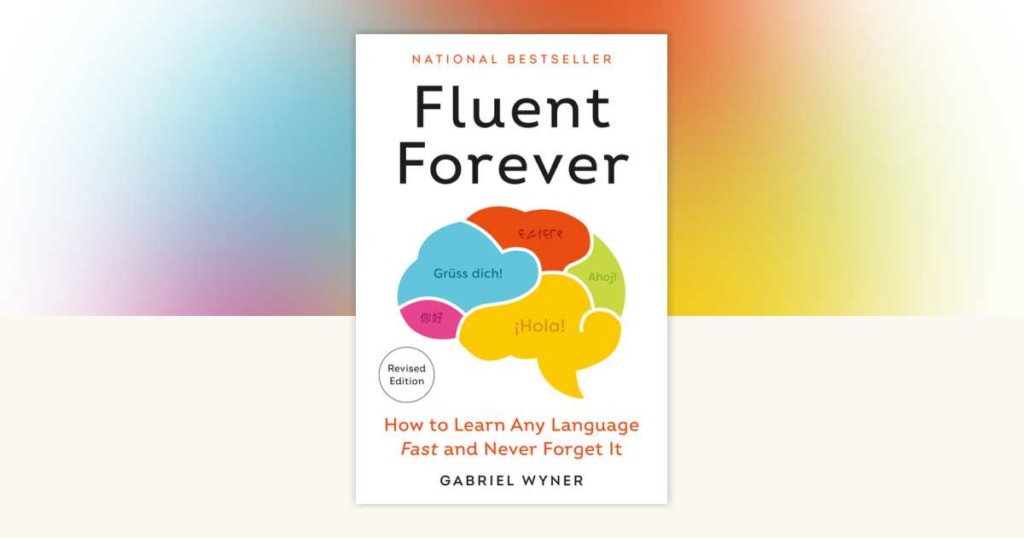
If your brain feels cluttered, tired, and resistant to foreign words, you need a method rooted in cognitive reality rather than brute-force memorization. Gabriel Wyner’s Fluent Forever remains a towering guide in the language community.
The Human Philosophy: Wyner understands that human memory behaves less like a computer hard drive and more like a branching tree. Instead of mindlessly translating foreign words back into your native tongue, this book teaches you to map abstract sounds directly to raw, sensory images and personal memories.
Why It Shines in 2026: In an era of digital burnout, this guide encourages you to craft your own flashcards by hand, drawing connections that resonate with your personal worldview and daily life. It bridges the gap between scientific methodology and organic human creativity.
The Cognitive Roots: The Language Instinct by Steven Pinker
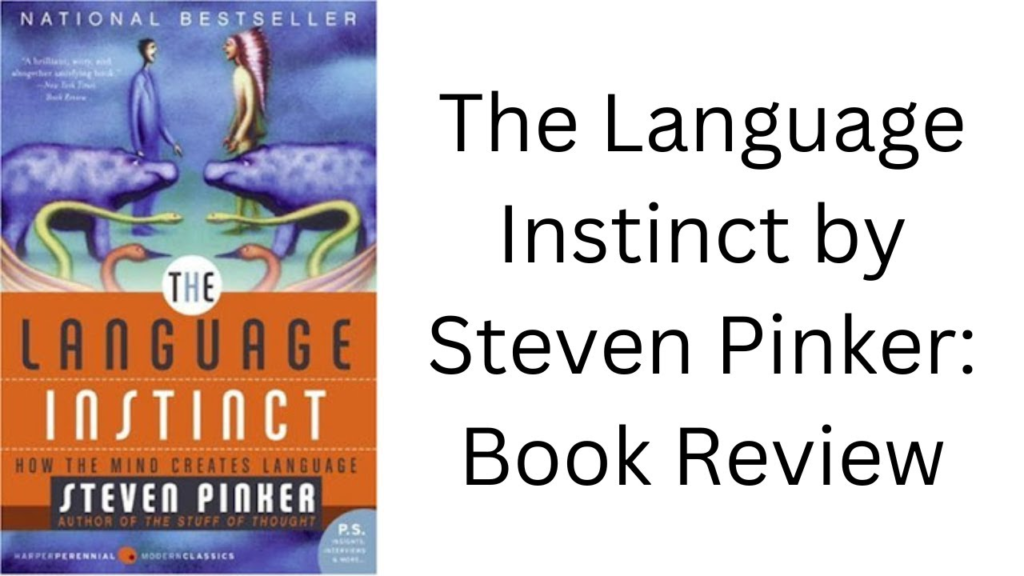
Before you can successfully grow a new language inside your head, it helps to understand how human language sprouts naturally in the first place. Steven Pinker’s classic work is a masterclass in human psychology and linguistics.
The Human Philosophy: Pinker argues that language is not a high-culture artifice like calculus or advanced architecture, but rather an instinctive biological faculty wired directly into our evolutionary blueprint—much like a spider spinning an intricate web.
Why It Shines in 2026: Reading this book feels like taking a refreshing, grounding walk through a dense, ancient forest of human thought. It reminds you that your desire to speak across cultural divides is an innate urge shared by every soul on this planet.
The Structural Anchor: English Grammar in Use by Raymond Murphy (and Global Counterparts)
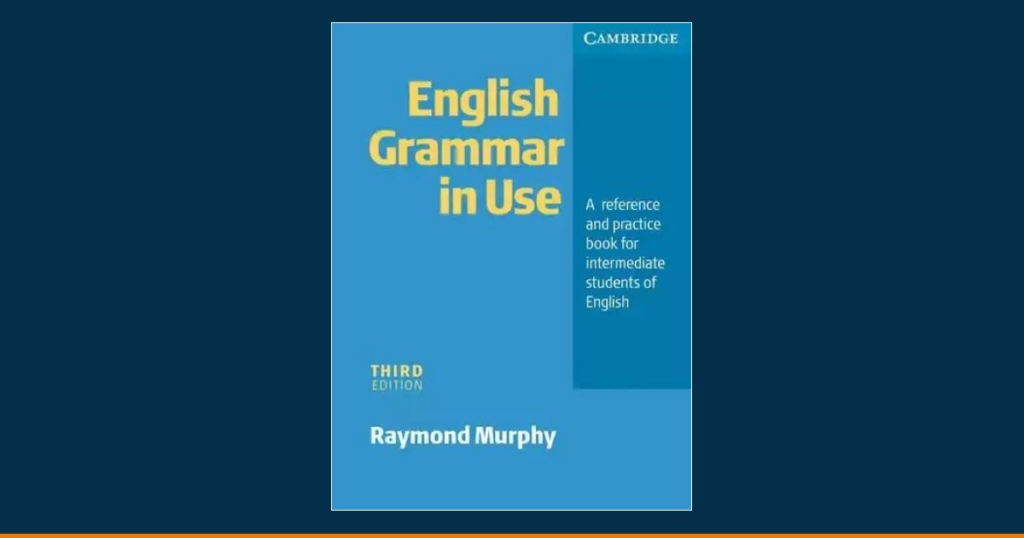
Sometimes, even the most passionate learner needs a sturdy trellis to support their linguistic vines as they climb upward toward fluency. For structural clarity, Raymond Murphy’s legendary work remains unmatched across global classrooms.
The Human Philosophy: Grammar does not have to feel like an iron cage. When approached with patience and self-compassion, structured grammar acts as the skeletal framework that allows your thoughts to stand tall and flow gracefully without collapsing under confusion.
Why It Shines in 2026: Even in a high-tech landscape dominated by glass screens, physical workbook pages provide a tactile feedback loop. The physical act of writing answers down with a pen creates a neural anchor that typing on a keyboard simply cannot replicate.
The Linguistic Explorer: Through the Language Glass by Guy Deutscher
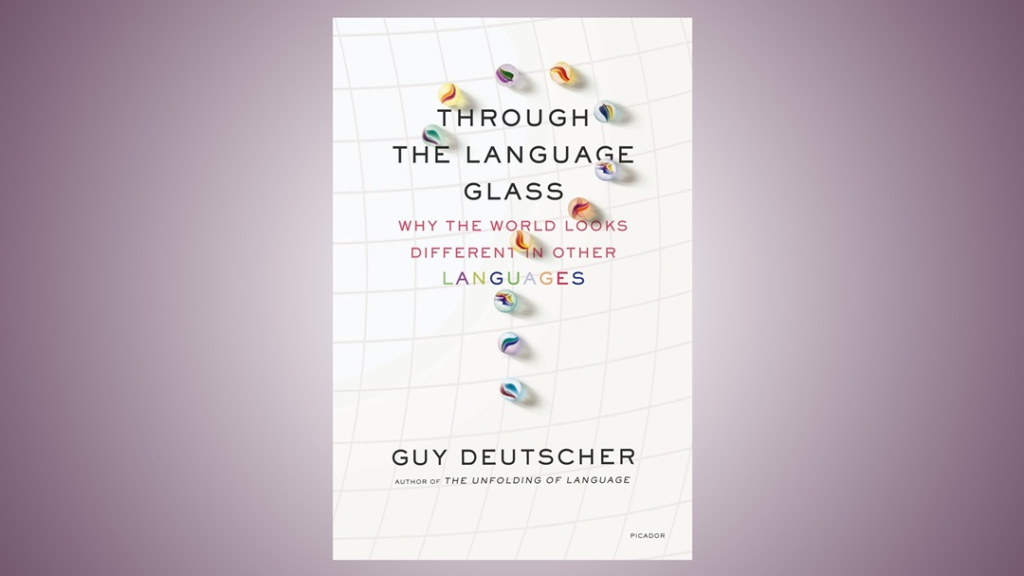
Have you ever wondered if speaking a different language actually changes the way you see the colors of a sunset, perceive the passing of time, or feel the bitter chill of winter? Guy Deutscher explores this mesmerizing concept with poetic brilliance.
The Human Philosophy: Language is a pair of colored spectacles. Deutscher explores how our mother tongue—and the new tongues we acquire—shapes our perception of space, nature, and emotional reality itself.
Why It Shines in 2026: This book reminds us why we embark on this difficult, beautiful journey in the first place: not to pass a corporate exam, but to expand our inner horizon and experience the vibrant world through a completely fresh set of human eyes.
The Conversational Jumpstart: Immersive Short Story Collections
For those who want to skip dry academic lectures and dive straight into living narratives, bilingual and leveled short story collections (such as those curated by Olly Richards) have revolutionized independent self-study.
The Human Philosophy: Humans are storytelling creatures. We gathered and shared knowledge around campfires long before textbooks ever existed. Reading bite-sized stories allows vocabulary to take root naturally through context, emotion, and plot curiosity.
Why It Shines in 2026: These books respect your limited free time while feeding your imagination. They provide the cozy satisfaction of finishing a real, complete book in a language you are still struggling to master.
FAQ’s
1. What are the best books for learning a new language in 2026?
The best book depends on your language, current skill level, learning goals, and preferred study method.
2. Are language learning books good for beginners?
Yes. Beginner-friendly books can introduce basic vocabulary, grammar, pronunciation, and everyday phrases in a structured way.
3. Can I learn a language using only a book?
A book can provide a strong foundation, but combining reading with listening, speaking, and regular practice can support broader language skills.
4. How should I choose a language learning book?
Look for clear explanations, useful vocabulary, practical exercises, pronunciation guidance, and content appropriate for your skill level.
5. How long does it take to learn a new language with a book?
The time varies depending on the language, your starting level, study consistency, and how much practice you do outside the book.



0 Comments