Starting and running a business is an exciting journey, but success in entrepreneurship is not only about having a great idea. Financial management plays a major role in determining whether a business survives and grows over time. Many entrepreneurs focus heavily on sales, marketing, and operations while ignoring important money decisions that directly affect long-term stability.
Smart financial planning helps entrepreneurs reduce risk, increase profits, and build sustainable businesses. From managing cash flow to investing wisely, every money move matters. Entrepreneurs who understand how to handle finances effectively are often better prepared for challenges, market changes, and future opportunities.
In this article, we will explore the most important money moves every entrepreneur should make to build financial strength and long-term business success.
Separate Personal and Business Finances

One of the first and most important money moves for entrepreneurs is separating personal and business finances. Mixing both can create confusion, inaccurate financial records, and tax complications.
Opening a dedicated business bank account helps track business income and expenses more efficiently. It also makes bookkeeping easier and improves professionalism when dealing with clients, suppliers, and investors.
Using separate debit or credit cards for business transactions allows entrepreneurs to monitor spending habits and identify areas where costs can be reduced. Proper financial separation also protects personal assets in certain business structures.
Keeping finances organized from the beginning creates a strong foundation for future growth.
Build a Clear Business Budget
Entrepreneurs should also track monthly income and compare it with expenses to understand the financial health of the business. Budgeting is not about limiting growth; it is about making informed financial decisions.
Businesses that operate with a proper budget are often more prepared for unexpected challenges and economic changes.
A business budget acts as a financial roadmap. Without a clear budget, entrepreneurs may overspend, underestimate costs, or struggle to manage cash flow effectively.
A good business budget should include fixed expenses, variable costs, marketing budgets, employee salaries, software subscriptions, taxes, and emergency funds. Reviewing the budget regularly helps identify unnecessary spending and improves financial control.
Focus on Cash Flow Management
Cash flow is one of the biggest reasons businesses succeed or fail. A profitable business can still struggle if money is not flowing consistently.
Entrepreneurs should monitor how much money enters and leaves the business each month. Delayed client payments, excessive inventory purchases, or poor expense management can quickly create cash flow problems.
Creating invoices promptly, setting payment deadlines, and maintaining emergency reserves are smart ways to improve cash flow stability. Many entrepreneurs also benefit from using accounting software to track payments and financial activity in real time.
Healthy cash flow gives businesses the flexibility to invest, expand, and handle emergencies without financial stress.
Create an Emergency Fund
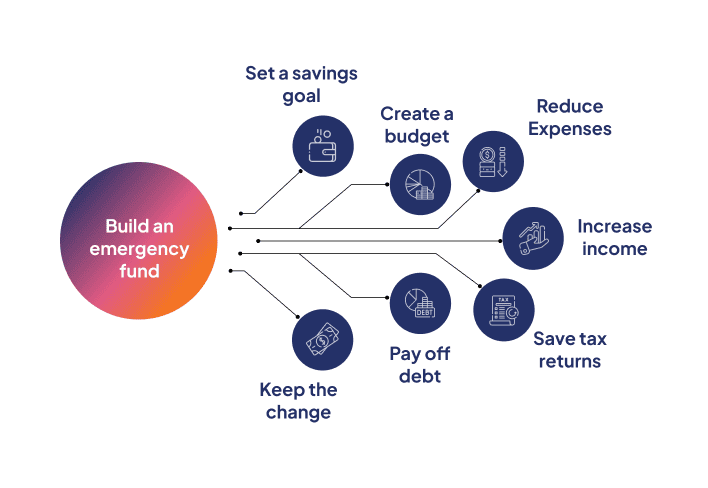
Unexpected expenses are common in business. Equipment failures, market slowdowns, legal costs, or economic downturns can create financial pressure at any time.
An emergency fund provides financial protection during difficult periods. Entrepreneurs should aim to save enough money to cover at least three to six months of operating expenses.
Even small monthly contributions to an emergency reserve can make a significant difference over time. Having backup funds reduces reliance on loans or credit during emergencies.
A strong financial safety net allows entrepreneurs to make calm and strategic decisions instead of reacting out of panic.
Invest in Financial Education

Many entrepreneurs start businesses with strong technical or creative skills but limited financial knowledge. Understanding business finance is essential for long-term success.
Learning about accounting, taxes, investments, profit margins, and financial planning helps entrepreneurs make smarter decisions. Financial education also improves confidence when discussing business matters with accountants, investors, or lenders.
There are many affordable ways to improve financial knowledge, including books, online courses, podcasts, and business seminars. Entrepreneurs who continuously learn about money management often avoid costly mistakes and identify better growth opportunities.
Financial literacy is one of the most valuable investments any entrepreneur can make.
Avoid Unnecessary Debt

Debt can help businesses grow when used wisely, but excessive or poorly managed debt can create serious financial problems.
Entrepreneurs should carefully evaluate loans, credit lines, or financing options before borrowing money. It is important to understand interest rates, repayment terms, and the impact debt will have on cash flow.
Borrowing for productive investments such as equipment, expansion, or technology upgrades may provide long-term benefits. However, using debt for unnecessary spending or poor planning often creates financial instability.
Responsible debt management protects businesses from unnecessary financial pressure.
Invest Back into the Business
Successful entrepreneurs understand the importance of reinvesting profits into their businesses. Instead of spending all earnings personally, strategic reinvestment supports long-term growth.
Investments may include upgrading technology, improving marketing, hiring skilled employees, expanding product lines, or improving customer experience.
Small improvements can create major long-term results. Businesses that continuously improve their operations often remain competitive and attract more customers.
Reinvestment is a key factor in scaling a business successfully.
Plan for Taxes Early

Taxes are often overlooked by new entrepreneurs, leading to penalties, stress, and financial surprises. Proper tax planning is essential for maintaining business stability.
Entrepreneurs should keep accurate financial records, track deductible expenses, and set aside money regularly for tax payments. Working with an accountant or tax professional can help businesses stay compliant with tax regulations.
Using accounting tools and digital bookkeeping systems also simplifies tax preparation and reduces errors.
Planning ahead prevents financial disruptions and allows entrepreneurs to focus on business growth instead of last-minute tax issues.
Diversify Income Streams

For example, a business owner selling physical products might also offer online courses, consulting services, or downloadable resources.
Diversification reduces risk and creates additional opportunities for growth.
Relying on a single source of income can be risky for entrepreneurs. Market changes, customer behavior, or industry disruptions can quickly affect revenue.
Creating multiple income streams improves financial security and business stability. Entrepreneurs can diversify by offering new products, launching digital services, creating subscription models, or expanding into new markets.
Track Business Performance Regularly
Successful entrepreneurs make financial decisions based on data, not guesswork. Tracking business performance regularly helps identify strengths, weaknesses, and growth opportunities.
Important financial metrics include profit margins, customer acquisition costs, monthly revenue, operating expenses, and return on investment.
Reviewing financial reports monthly allows entrepreneurs to spot problems early and adjust strategies when needed. Data-driven decisions often lead to better profitability and stronger financial control.
Understanding business numbers is essential for making smart money moves.
Protect the Business with Insurance

Many entrepreneurs underestimate the importance of business insurance until unexpected problems occur. Insurance protects businesses from financial losses caused by accidents, lawsuits, property damage, or operational disruptions.
Different businesses require different types of coverage, including liability insurance, property insurance, cyber insurance, or employee-related coverage.
Although insurance may seem like an extra expense, it can prevent devastating financial losses in the future.
Protecting the business financially is an important part of responsible entrepreneurship.
Build Strong Business Credit
Strong business credit improves access to funding, better interest rates, and financial opportunities. Entrepreneurs should establish business credit early by registering the business properly and paying bills on time.
Using business credit responsibly helps create a positive financial reputation. Good credit can become extremely valuable when seeking loans, partnerships, or expansion opportunities.
Maintaining strong credit habits supports long-term financial flexibility.
Think Long-Term with Investments
Entrepreneurs often focus only on short-term profits, but long-term financial planning is equally important. Investing for the future creates additional financial security beyond the business itself.
Retirement accounts, stocks, mutual funds, real estate, or other investment opportunities can help entrepreneurs build personal wealth over time.
Long-term investments provide stability and reduce dependence on a single income source.
Planning for the future is a smart financial move that many successful entrepreneurs prioritize early.
Conclusion
Entrepreneurship involves more than creativity and ambition. Smart financial decisions are essential for building a stable and successful business. Entrepreneurs who manage money wisely are better prepared to handle challenges, seize opportunities, and achieve long-term growth.
Simple money moves such as budgeting, separating finances, managing cash flow, reducing debt, and reinvesting profits can create a strong financial foundation. Financial discipline not only protects a business but also supports personal financial stability.
Every entrepreneur faces financial decisions daily. The key is making choices that support sustainability, growth, and long-term success. By developing strong money management habits early, entrepreneurs can build businesses that thrive in competitive markets and changing economic conditions.
FAQ’s
- What is passive income?
Income earned with minimal daily work. - Which passive income is best for beginners?
Blogging and affiliate marketing. - Can I start passive income with low money?
Yes, many ideas need little investment. - How long does passive income take to grow?
It depends on effort and strategy. - Is passive income reliable?
Yes, if managed properly.
- How to Invest in Mutual Funds in 2026: Beginner’s Guide
- DIY Navratri Rangoli Ideas 2026: Easy & Beautiful Designs for Home
- Latest Entertainment Trends 2026: Movies, Music, Streaming & More

- DIY Navratri Hair Clips: Beautiful Dandiya-Inspired Accessories to Make at Home

- Latest Travel Trends 2026: New Ways to Explore the World

- How to Improve Your Decision-Making Skills in Everyday Life



0 Comments