Introduction: Understanding the Money Game
Money is often seen as a destination—something to earn, save, and eventually have enough of. But in reality, money works more like a game. It has rules, strategies, risks, and rewards. Some people seem to move ahead effortlessly, while others struggle despite working just as hard. The difference usually lies in how they play the game.
Playing the game right doesn’t mean being perfect or never making mistakes. It means learning the rules, making informed decisions, and staying consistent over time. It’s about treating money as a tool that can be directed rather than something that controls your life. When you approach money with the right mindset and strategy, you start to see progress that feels both real and sustainable.
The First Move: Building Awareness

Every strong money strategy begins with awareness. Before you can improve your financial situation, you need to understand it clearly. This means knowing how much you earn, how much you spend, and where your money goes every month.
Many people avoid tracking their expenses because it feels tedious or uncomfortable. But ignoring the numbers doesn’t make them disappear—it only makes them harder to manage. When you take the time to look closely at your spending habits, you often discover patterns you didn’t notice before. Small, frequent expenses can quietly add up and take a significant portion of your income.
Awareness is not about judging your past choices. It’s about gaining clarity so you can make better decisions moving forward. Once you know where you stand, you can begin to take control.
Playing Defense: Controlling Your Expense

In any game, defense is just as important as offense. In the world of money, defense means controlling your expenses. It’s not about cutting out everything you enjoy; it’s about making sure your spending aligns with your priorities.
Start by separating needs from wants. Needs are essential—things like food, housing, and basic utilities. Wants are everything else. There’s nothing wrong with spending on wants, but it should be done consciously, not impulsively.
Creating a simple budget can help you stay on track. A budget isn’t a restriction; it’s a plan. It tells your money where to go instead of leaving you wondering where it went. When your spending is intentional, you feel more in control and less stressed.
Playing Offense: Increasing Your Income
While managing expenses is crucial, there’s a limit to how much you can cut. That’s why playing offense—finding ways to increase your income—is equally important.
This could mean improving your skills, asking for a raise, switching jobs, or exploring side opportunities. The goal is to create more financial breathing room. When your income grows, you have more options: you can save more, invest more, and handle unexpected expenses with less pressure.
Investing in yourself is one of the most powerful money moves you can make. Learning new skills, gaining experience, and building knowledge can lead to better opportunities over time. Unlike quick wins, these efforts create long-term value.
The Power of Consistency

One of the most overlooked aspects of financial success is consistency. People often look for big breakthroughs—sudden increases in income or lucky investments. But real progress usually comes from small actions repeated over time.
Saving a small amount regularly might not feel impressive at first, but over months and years, it adds up. The same is true for paying off debt, investing, or building an emergency fund. Consistency creates momentum, and momentum leads to results.
Saving a small amount regularly might not feel impressive at first, but over months and years, it adds up. The same is true for paying off debt, investing, or building an emergency fund. Consistency creates momentum, and momentum leads to results.
The key is to stay committed, even when progress feels slow. The early stages of any financial journey can be the hardest because the results are not immediately visible. But those who stick with it eventually see the benefits.
Thinking Long-Term: Delayed Gratification
Playing the game right requires a long-term perspective. It means being willing to delay immediate rewards for greater benefits in the future. This doesn’t mean you can’t enjoy your money—it means you balance present enjoyment with future security.
Delayed gratification is what allows you to build savings, invest wisely, and avoid unnecessary debt. It’s the ability to say no today so you can say yes to something bigger tomorrow.
Many financial mistakes happen because people focus only on short-term satisfaction. Impulse buying, unnecessary loans, and risky decisions often provide quick pleasure but lead to long-term stress. When you shift your focus to the bigger picture, your decisions become more thoughtful and strategic.
Smart Risk: Making Informed Decisions
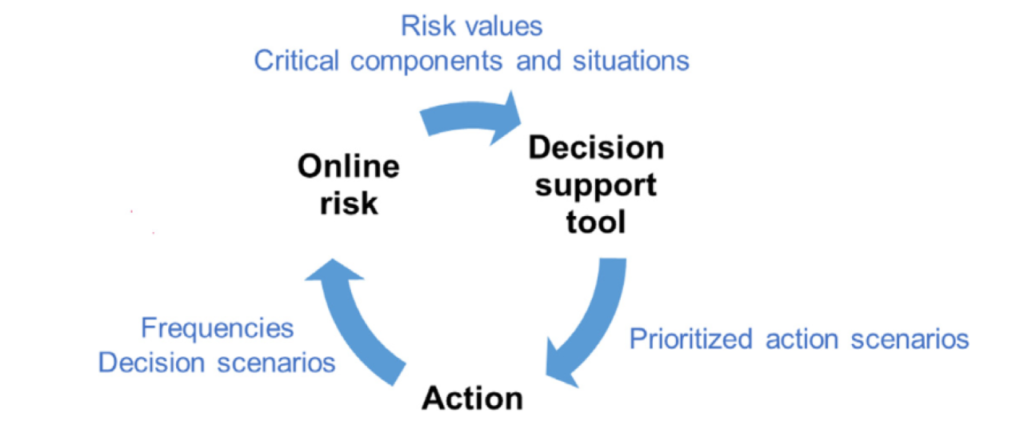
Risk is a natural part of the money game. Whether you’re investing, starting a business, or changing careers, there is always some level of uncertainty involved. The goal is not to avoid risk completely but to manage it wisely.
Smart risk involves research, planning, and understanding potential outcomes. Before making a financial decision, take the time to learn about it. Ask questions, seek advice if needed, and consider both the best-case and worst-case scenarios.
Avoid decisions based purely on emotion or pressure. Fear and excitement can both lead to poor choices. When you stay calm and informed, you’re more likely to make decisions that support your long-term goals.
The Role of Savings: Your Safety Net
A strong financial strategy always includes savings. Life is unpredictable, and unexpected expenses can arise at any time. Without savings, even a small setback can turn into a major problem.
An emergency fund acts as a safety net. It gives you the confidence to handle surprises without going into debt. It also provides peace of mind, knowing that you’re prepared for the unexpected.
Start small if necessary, but make it a priority. Over time, your savings will grow, and so will your sense of security. This foundation makes it easier to take calculated risks and pursue opportunities.
Avoiding Common Money Traps
Many people struggle financially not because they lack income, but because they fall into common traps. These include overspending, relying heavily on credit, and trying to keep up with others.

Comparison is one of the biggest challenges. Seeing others spend or achieve certain lifestyles can create pressure to do the same. But financial decisions should be based on your situation, not someone else’s
Another trap is ignoring financial problems. Delaying action—whether it’s paying off debt or addressing poor spending habits—only makes things worse. Facing challenges early gives you more options and better outcomes.
Mindset Matters: How You Think About Money
Your mindset plays a crucial role in how you handle money. If you believe that money is difficult to manage or always out of reach, your actions will reflect that belief. On the other hand, if you see money as something you can learn to control, you approach it with more confidence and clarity.
A positive money mindset doesn’t mean ignoring reality. It means being willing to learn, adapt, and improve. It’s about taking responsibility for your decisions and understanding that change is possible.
Building a strong mindset takes time, but it’s one of the most valuable parts of playing the game right.
Conclusion: Stay in the Game

Money moves are not about quick fixes or perfect decisions. They are about consistency, awareness, and thoughtful action. Playing the game right means understanding that every choice matters and that progress takes time.
There will be challenges along the way. Mistakes will happen. But what matters most is that you keep going. Each step you take—no matter how small—brings you closer to financial stability and freedom.
In the end, the people who succeed with money are not always the ones who start with the most. They are the ones who stay committed, keep learning, and continue to make better moves over time
FAQs
1. What are money moves?
Money moves are the financial decisions you make to manage, save, and grow your money wisely.
2. Why is budgeting important?
Budgeting helps you control your spending and ensures your money is used for the right priorities.
3. How can I start saving money?
Start small, save consistently, and track your expenses to find areas where you can cut back.
4. Is increasing income necessary?
Yes, growing your income gives you more flexibility and helps you build wealth faster.
5. What is the key to financial success?
Consistency, discipline, and making smart long-term decisions are the keys to success.
- How to Invest in Mutual Funds in 2026: Beginner’s Guide
- DIY Navratri Rangoli Ideas 2026: Easy & Beautiful Designs for Home
- Latest Entertainment Trends 2026: Movies, Music, Streaming & More

- DIY Navratri Hair Clips: Beautiful Dandiya-Inspired Accessories to Make at Home

- Latest Travel Trends 2026: New Ways to Explore the World



0 Comments