Introduction: Taking Control of Your Money
A better financial future does not happen by chance. It is built through a series of intentional decisions, consistent habits, and a clear understanding of how money works. Many people believe that financial success is only for those who earn a high income, but the truth is that smart money management matters more than how much you make.
Money moves are the choices you make every day regarding how you earn, spend, save, and invest. These decisions may seem small in the moment, but over time, they shape your financial direction. By focusing on the right strategies and staying consistent, you can create stability, reduce stress, and move toward long-term security.
Understanding Your Financial Situation

The first step toward a better financial future is understanding where you stand. Without clarity, it is difficult to make effective decisions. Take time to review your income, expenses, savings, and any debts you may have.
Tracking your spending can reveal patterns that you might not notice otherwise. Small, frequent expenses often add up and take a significant portion of your income. By identifying these areas, you can make adjustments that free up money for more important goals.
This process is not about judgment. It is about awareness. Once you know your current situation, you can begin to take control and plan for the future.
Creating a Practical Budget
A budget is one of the most powerful tools for managing money. It helps you allocate your income in a way that supports your priorities. Instead of wondering where your money went, a budget ensures that every amount has a purpose.
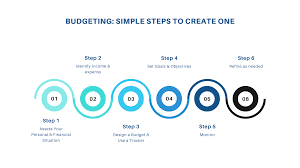
Start by dividing your income into categories such as necessities, savings, and personal spending. The goal is to maintain balance. You should cover your essential needs while also setting aside money for future goals.
A good budget is flexible. Life changes, and your financial plan should adapt accordingly. Regularly reviewing and adjusting your budget keeps it effective and realistic.
Building a Strong Saving Habit

Saving money is a key part of securing your financial future. It provides a safety net and allows you to prepare for both expected and unexpected expenses. Without savings, even a small financial setback can create stress.
Start by setting aside a portion of your income regularly. Even small amounts can grow over time when you remain consistent. Treat your savings as a priority rather than an afterthought.
An emergency fund is especially important. It acts as a cushion during difficult times, such as job loss or unexpected expenses. Having this fund in place gives you confidence and peace of mind.
Reducing and Managing Debt
Debt can be a major obstacle to financial stability. While some types of debt may be necessary, such as education or housing, it is important to manage it carefully.
Begin by understanding the terms of your debt, including interest rates and repayment schedules. Focus on paying off high-interest debt first, as it can grow quickly and become difficult to manage.
Avoid taking on unnecessary debt whenever possible. Making thoughtful decisions about borrowing helps you maintain control over your finances. Over time, reducing your debt frees up resources that can be used for saving and investing.
Increasing Your Income

While managing expenses is important, there is a limit to how much you can reduce. Increasing your income provides additional opportunities to improve your financial situation.
This could involve developing new skills, seeking better job opportunities, or exploring additional sources of income. Investing in your personal and professional growth can lead to higher earning potential.
Even small increases in income can make a significant difference when managed wisely. The key is to use this additional income strategically, focusing on long-term benefits rather than short-term spending.
Investing for Long-Term Growth
Saving money is essential, but investing is what allows your money to grow over time. Investing involves putting your money into assets that have the potential to increase in value.
The earlier you start investing, the more time your money has to grow. This growth often comes from compounding, where your earnings generate additional earnings over time.
It is important to learn the basics before making investment decisions. Understanding risk, diversification, and long-term strategies helps you make informed choices. Avoid quick or risky schemes, and focus on steady, consistent growth.
Developing Financial Discipline

Financial success requires discipline. It is not always easy to make choices that prioritize the future over immediate satisfaction. However, these decisions are what create long-term stability.
Discipline involves sticking to your budget, saving regularly, and avoiding unnecessary spending. It also means being patient and staying committed to your goals, even when progress feels slow.
Over time, disciplined habits become part of your routine. This makes it easier to maintain control over your finances and continue moving forward.
Setting Clear Financial Goals
Having clear goals gives your financial efforts direction and purpose. These goals can be short-term, such as saving for a purchase, or long-term, such as buying a home or preparing for retirement.
Define your goals clearly and create a plan to achieve them. Breaking larger goals into smaller steps makes them more manageable and keeps you motivated.
Regularly reviewing your progress helps you stay on track. It also allows you to adjust your plan if needed. Goals provide a sense of purpose and make your financial journey more meaningful.
Avoiding Common Financial Mistakes
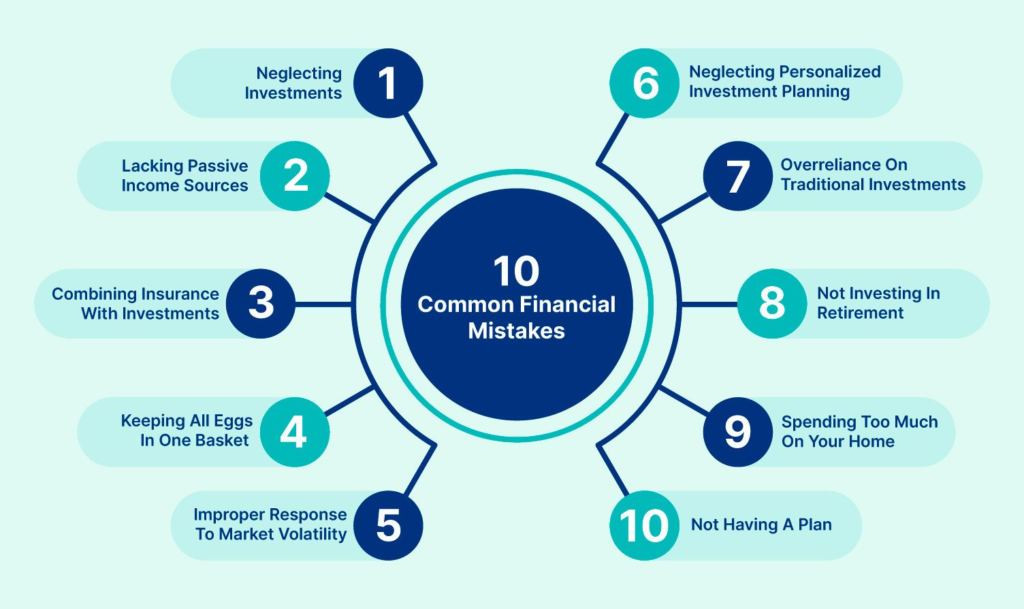
Many people struggle financially not because they lack income, but because they make avoidable mistakes. These include overspending, failing to save, and making impulsive financial decisions.
One common mistake is trying to keep up with others. Comparing your financial situation to others can lead to unnecessary spending and stress. Focus on your own goals and priorities instead.
Another mistake is neglecting long-term planning. Focusing only on immediate needs can leave you unprepared for the future. Balancing present and future needs is essential for stability.
The Importance of Financial Education
Knowledge is one of the most valuable tools for improving your financial future. The more you understand about money, the better decisions you can make.
Take time to learn about budgeting, saving, investing, and managing debt. This knowledge empowers you to take control of your finances and avoid costly mistakes.
Financial education is an ongoing process. As your situation changes, continue learning and adapting your strategies. Staying informed helps you make confident and effective decisions.
Building a Long-Term Mindset
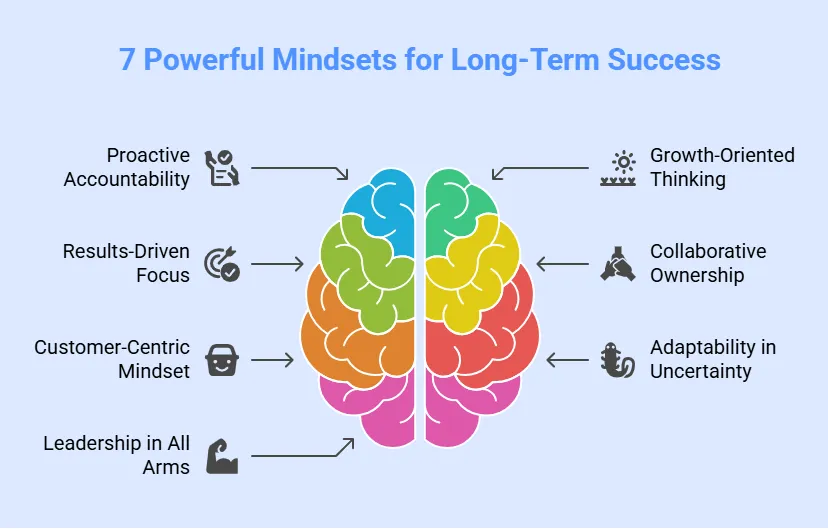
A better financial future requires a long-term perspective. Quick fixes and short-term gains may be tempting, but lasting success comes from consistent effort over time.
Patience is essential. Financial growth often happens gradually, and the results may not be immediately visible. Staying committed to your plan ensures that you continue making progress.
A long-term mindset also helps you make better decisions. Instead of focusing on immediate rewards, you consider the impact of your choices on your future.
Conclusion: Small Moves, Big Impact
Creating a better financial future is not about making one perfect decision. It is about making consistent, thoughtful choices over time. Each small step you take—whether it is saving, budgeting, or learning—contributes to your overall progress.
By understanding your finances, building strong habits, and staying disciplined, you can take control of your financial life. Challenges may arise, but with the right approach, they can be managed effectively.
In the end, money moves are about more than just numbers. They are about creating stability, reducing stress, and building a life that aligns with your goals. With patience and commitment, you can shape a financial future that is secure, balanced, and fulfilling.
1. What are money moves?
Money moves are smart financial decisions related to earning, saving, spending, and investing.
2. Why is budgeting important?
Budgeting helps you control your money and spend according to your priorities.
3. How can I start saving money?
Start small, save regularly, and reduce unnecessary expenses.
4. Is investing necessary for the future?
Yes, investing helps your money grow over time and builds long-term wealth.
5. What is the key to financial success?
Consistency, discipline, and making smart long-term financial decisions.
- How to Invest in Mutual Funds in 2026: Beginner’s Guide
- DIY Navratri Rangoli Ideas 2026: Easy & Beautiful Designs for Home
- Latest Entertainment Trends 2026: Movies, Music, Streaming & More

- DIY Navratri Hair Clips: Beautiful Dandiya-Inspired Accessories to Make at Home

- Latest Travel Trends 2026: New Ways to Explore the World



0 Comments