Managing money wisely is one of the most important skills in life, especially for anyone who wants to build long-term financial stability. Investing is not just about buying stocks or putting money into financial markets. It is about making smart decisions with income, savings, expenses, and future planning. Successful investors are not always the ones who earn the most, but the ones who manage their money with discipline and strategy.
In today’s fast-changing financial world, understanding the right money moves can make a significant difference. Whether someone is just starting their investment journey or already has experience, the principles of smart money management remain the same. These principles focus on protecting wealth, growing it steadily, and reducing unnecessary financial risks.
This guide explains important money moves every smart investor should know and apply in real life to improve financial outcomes over time.
Understanding the Importance of Smart Money Management
Before making any investment, it is important to understand that financial success starts with control over personal finances. Without proper money management, even high income can disappear quickly.
Smart investors focus on three key areas:
- Saving consistently
- Spending wisely
- Investing strategically
Money management is not about restriction but about balance. It allows individuals to enjoy life today while also preparing for future financial needs.
1.Build a Strong Financial Foundation First
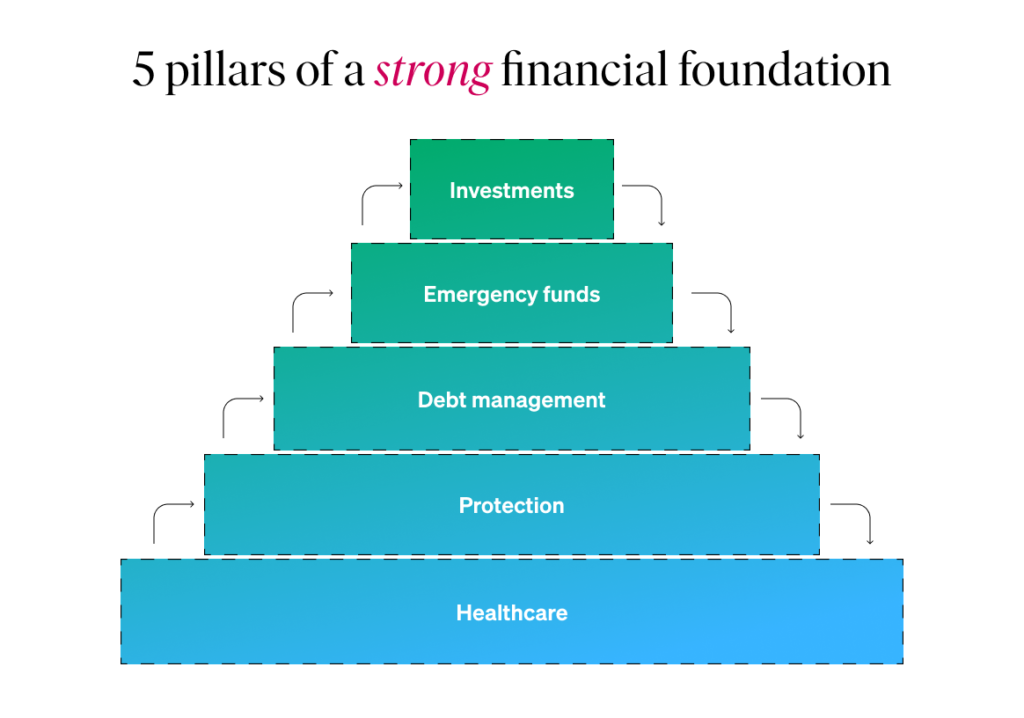
One of the most important money moves is building a strong financial base before investing heavily.
Create an Emergency Fund
An emergency fund is money saved specifically for unexpected situations such as:
- Medical emergencies
- Job loss
- Urgent repairs
- Family needs
A good rule is to save at least three to six months of living expenses. This fund ensures that investments do not need to be withdrawn during emergencies, which could result in losses.
Pay Off High-Interest Debt
Before focusing on investments, smart investors try to reduce high-interest debts such as credit cards or personal loans. Interest payments often reduce overall wealth growth.
Paying off debt is a guaranteed return because it eliminates future interest costs.
2.Start Investing Early and Consistently

Time is one of the most powerful tools in investing. Starting early allows money to grow through compounding, where earnings generate additional earnings over time.
The Power of Compounding
Compounding works best when investments are left untouched for long periods. Even small investments made consistently can grow significantly over time.
For example, investing small amounts monthly for several years can often outperform large one-time investments made later.
Consistency Matters More Than Timing
Many beginners try to time the market, but experienced investors focus on consistency instead. Regular investments reduce risk and create steady growth.
3.Diversification Is a Key Money Move

Putting all money into a single investment is risky. Smart investors spread their money across different assets to reduce risk.
Common Types of Investments
Diversification can include:
- Stocks
- Bonds
- Mutual funds
- Real estate
- Index funds
Each investment type behaves differently in various market conditions. When one performs poorly, others may perform better, balancing overall returns.
Avoid Over-Concentration
Investing too heavily in one company or sector can be dangerous. Diversification helps protect against sudden market changes.
Live Below Your Means
One of the simplest but most powerful money moves is spending less than what is earned.
Control Lifestyle Inflation
As income increases, many people increase their spending at the same rate. This is known as lifestyle inflation and can prevent wealth building.
Smart investors:
- Avoid unnecessary luxury spending
- Focus on needs over wants
- Maintain disciplined budgeting habits
Living below one’s means creates extra money that can be invested for future growth.
4.Build Multiple Income Sources

Relying on a single income source can be risky. Smart investors often look for ways to create additional income streams.
Examples of Additional Income
- Freelancing or side work
- Rental income
- Dividends from investments
- Online businesses
- Part-time consulting
Multiple income sources provide financial security and increase investment opportunities.
Understand Risk Before Investing
Every investment carries some level of risk. Understanding risk is essential before making financial decisions.
Risk vs Reward
Generally, higher returns come with higher risk. Conservative investments offer lower returns but are more stable, while aggressive investments can provide higher returns but may fluctuate.
Smart investors:
- Assess risk tolerance
- Avoid emotional decisions
- Invest based on research
- Stay patient during market fluctuations
5.Long-Term Thinking Over Short-Term Gains

One of the biggest mistakes beginners make is focusing on quick profits. Successful investing requires patience.
Why Long-Term Planning Works
Markets naturally go through ups and downs. Short-term changes can be unpredictable, but long-term trends tend to grow positively over time.
Smart investors:
- Stay invested during market fluctuations
- Avoid panic selling
- Focus on long-term goals
Regularly Review and Adjust Investments
Financial planning is not a one-time activity. It requires regular monitoring and adjustments.
Portfolio Review
Investors should periodically check:
- Investment performance
- Risk levels
- Financial goals
- Market conditions
Adjustments may be needed when financial goals change or market conditions shift.
6.Educate Yourself Continuously

Financial knowledge plays a major role in investment success. Markets evolve, new investment opportunities appear, and economic conditions change.
Importance of Financial Education
Smart investors:
- Read financial news
- Learn about investment strategies
- Understand market trends
- Study successful investors
Continuous learning helps improve decision-making and reduces mistakes.
Avoid Emotional Investing
Emotions can negatively impact financial decisions. Fear and greed are two of the most common reasons for poor investment choices.
Common Emotional Mistakes
- Selling investments during market drops
- Buying based on hype
- Following trends without research
- Panicking during volatility
Smart investors rely on logic, not emotions.
Use Tax Planning Strategies
Taxes can significantly affect investment returns. Proper tax planning helps maximize profits.
Tax-Efficient Investing
Some strategies include:
- Using tax-saving investment accounts
- Holding investments long-term
- Understanding capital gains rules
- Using available deductions
Efficient tax planning increases overall wealth retention.
7.Automate Savings and Investments

Automation helps maintain discipline. Setting up automatic transfers ensures consistent investing without relying on memory or motivation.
Benefits of Automation
- Encourages regular investing
- Reduces spending temptation
- Builds financial discipline
- Saves time
Even small automated investments can grow significantly over time.
Avoid High Fees and Unnecessary Costs
Investment fees may seem small but can reduce long-term returns significantly.
Common Hidden Costs
- Management fees
- Transaction charges
- Fund expenses
- Advisory fees
Smart investors compare costs before choosing financial products.
Set Clear Financial Goals
Investing without goals can lead to confusion and inconsistent decisions.
Types of Financial Goals
- Short-term goals (1–2 years)
- Medium-term goals (3–5 years)
- Long-term goals (5+ years)
Clear goals help guide investment choices and risk levels.
Stay Patient and Disciplined
Patience is one of the most important qualities of successful investors. Wealth building takes time, and results are not always immediate.
Discipline in Investing
- Stick to a plan
- Avoid frequent changes
- Trust long-term strategies
- Stay consistent during uncertainty
Discipline ensures steady progress toward financial goals.
- How to Invest in Mutual Funds in 2026: Beginner’s Guide
- DIY Navratri Rangoli Ideas 2026: Easy & Beautiful Designs for Home
- Latest Entertainment Trends 2026: Movies, Music, Streaming & More

- DIY Navratri Hair Clips: Beautiful Dandiya-Inspired Accessories to Make at Home

- Latest Travel Trends 2026: New Ways to Explore the World

- How to Improve Your Decision-Making Skills in Everyday Life

F&Q
1. What are smart money moves?
They are financial habits that help you save, invest, and grow wealth wisely.
2. Why is investing early important?
It helps your money grow faster through compounding over time.
3. What is diversification?
It means spreading money across different investments to reduce risk.
4. How can I avoid investment mistakes?
Stay patient, do research, and avoid emotional decisions.
5. Why is budgeting important for investors?
It helps control spending and increases money available for investing.


0 Comments