Introduction
Everyone wants to achieve their goals quickly, whether those goals are related to career, health, finances, or personal life. However, many people struggle not because they lack ambition, but because they lack a clear and practical plan. A personal growth plan provides structure, direction, and consistency. It helps you move forward with purpose instead of relying on motivation alone.
Personal growth is not about rushing through life or forcing rapid change. It is about making steady improvements that align with your goals. When you have a clear plan, you reduce confusion, avoid unnecessary delays, and make better use of your time and energy. This is what ultimately helps you achieve your goals faster.
Understanding What You Truly Want
The first step in creating a personal growth plan is clarity. Many people set goals based on external pressure or comparison with others. This often leads to frustration because the goals do not truly reflect what they want.

Take time to define your goals clearly. Ask yourself what you want to achieve and why it matters to you. A strong reason behind a goal increases commitment and motivation. Instead of vague goals like “I want to be successful,” make them specific, such as “I want to improve my skills in a particular area” or “I want to save a certain amount of money.”
Clarity gives your plan direction and makes it easier to take focused action.
Breaking Goals Into Smaller Steps
Large goals can feel overwhelming, which often leads to procrastination. One of the most effective ways to achieve goals faster is to break them into smaller, manageable steps. This makes the process less intimidating and easier to follow.
For example, if your goal is to learn a new skill, divide it into stages such as learning basics, practicing regularly, and applying it in real situations. Each small step brings you closer to the final goal.
Completing smaller tasks also builds momentum. It creates a sense of progress, which keeps you motivated to continue.
Creating a Simple and Realistic Plan
A personal growth plan does not need to be complicated. In fact, simple plans are often more effective because they are easier to follow consistently. Focus on what you can realistically do every day or every week.
Include specific actions in your plan. Instead of saying “I will work on my goal,” define what that work looks like. For example, set a fixed time for learning, practicing, or working toward your goal.
It is also important to keep your plan flexible. Life is unpredictable, and your plan should be able to adjust when needed without losing direction.
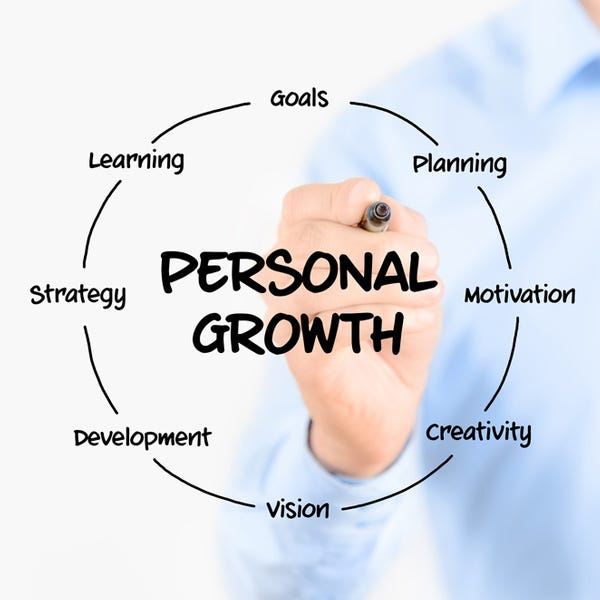
Building Consistent Habits
Consistency is one of the most important factors in achieving goals faster. Many people rely on motivation, but motivation is temporary. Habits, on the other hand, create long-term progress.
Identify small daily actions that support your goals and turn them into habits. These actions do not need to be large. Even a short daily effort can lead to significant results over time.
For example, spending just thirty minutes a day working on a skill adds up to many hours over a few months. Consistent effort reduces the need for last-minute pressure and keeps you moving forward steadily.
Managing Time Effectively

Time management plays a crucial role in personal growth. Without proper use of time, even the best plans can fail. The goal is not to fill your day with tasks but to focus on what truly matters.
Start by identifying activities that consume your time without adding value. Reducing distractions such as excessive screen time or unplanned tasks can free up time for your goals.
Prioritize your most important tasks and complete them when your energy is highest. Even small improvements in how you use your time can significantly increase your productivity.
Staying Focused and Avoiding Distractions
In today’s fast-paced world, distractions are everywhere. Staying focused is essential if you want to achieve your goals faster. One of the best ways to maintain focus is by limiting multitasking.
When you work on one task at a time, you can complete it more efficiently and with better quality. Create a work environment that supports concentration. This could mean keeping your phone away, setting boundaries, or working in a quiet space.
Clear focus allows you to make better progress in less time.
Tracking Your Progress
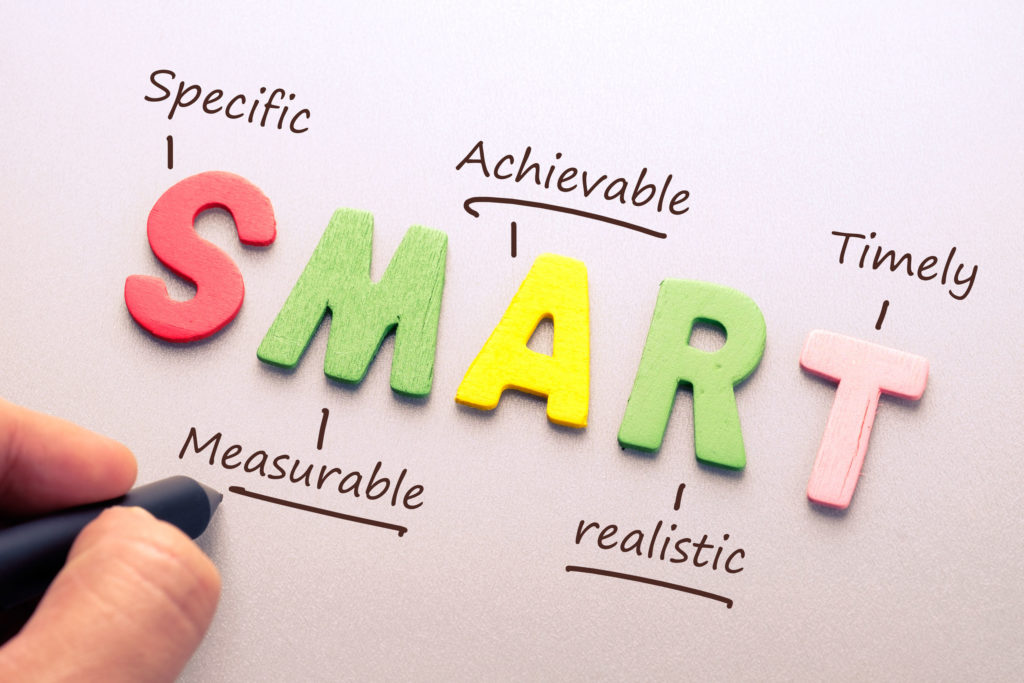
Tracking progress is an important part of any personal growth plan. It helps you see how far you have come and identify areas that need improvement.
You can track progress in simple ways, such as maintaining a journal, checklist, or weekly review. Regular tracking keeps you accountable and motivated.
It also allows you to adjust your plan when necessary. If something is not working, you can change your approach instead of continuing with ineffective methods.
Learning from Mistakes
Mistakes are a natural part of growth. Instead of seeing them as failures, treat them as learning opportunities. Every mistake provides valuable insight into what needs to be improved.
When something goes wrong, take time to reflect on why it happened and how you can avoid it in the future. This approach helps you grow faster because you learn from experience instead of repeating the same errors.
A growth mindset makes challenges easier to handle and keeps you moving forward.

Maintaining Discipline and Patience
Achieving goals faster does not mean rushing or expecting instant results. It means working efficiently and consistently over time. Discipline and patience are key to this process.
Discipline helps you stay committed even when motivation is low. It ensures that you continue working toward your goals regardless of how you feel.
Patience allows you to trust the process. Real progress takes time, and expecting quick results can lead to frustration. Staying patient helps you remain focused and consistent.
Taking Care of Your Energy and Health
Personal growth is not only about working harder but also about managing your energy. Physical and mental well-being directly affect your ability to perform and stay focused.
Make sure you get enough rest, eat properly, and include some form of physical activity in your routine. Taking care of your health improves your concentration, mood, and productivity.
When your energy levels are balanced, you can work more effectively and achieve better results.

Staying Committed to Your Vision
Finally, staying connected to your long-term vision is essential. There will be times when progress feels slow or challenges seem difficult. During these moments, reminding yourself why you started can help you stay committed.
Your vision acts as a guiding force that keeps you moving forward. Even when short-term results are not visible, your consistent efforts are building toward something meaningful.
Conclusion
A personal growth plan is one of the most effective ways to achieve your goals faster. It provides clarity, structure, and direction, helping you make better decisions and use your time wisely. By breaking goals into smaller steps, building consistent habits, managing time, and staying focused, you create a system that supports continuous progress.
The key is not to aim for perfection but to remain consistent and adaptable. Small, steady actions lead to meaningful results over time. When you commit to your growth and follow a clear plan, achieving your goals becomes not only faster but also more sustainable and fulfilling.
- How to Invest in Mutual Funds in 2026: Beginner’s Guide
- DIY Navratri Rangoli Ideas 2026: Easy & Beautiful Designs for Home
- Latest Entertainment Trends 2026: Movies, Music, Streaming & More

- DIY Navratri Hair Clips: Beautiful Dandiya-Inspired Accessories to Make at Home

- Latest Travel Trends 2026: New Ways to Explore the World

- How to Improve Your Decision-Making Skills in Everyday Life

F&Q
1. What is a personal growth plan?
A structured plan to improve yourself and reach goals.
2. Why is a growth plan important?
It gives direction and speeds up progress.
3. How do I start a growth plan?
Set clear goals and break them into small steps.
4. How can I achieve goals faster?
Stay consistent and manage your time well.
5. Do I need motivation every day?
No, discipline and habits matter more.



0 Comments