Introduction: Taking Charge of Your Life
Life improvement is not about making one big change overnight. It is a gradual process of making better choices, building stronger habits, and developing a deeper understanding of yourself. Many people wait for the “right time” to improve their lives, but the truth is that progress begins with small, consistent actions taken today.
Personal growth is a lifelong journey. It involves learning, adapting, and evolving as circumstances change. A practical approach to life improvement focuses on what you can control and how you can take steady steps toward a better version of yourself. With the right mindset and strategies, anyone can create meaningful and lasting change.
Understanding Where You Are
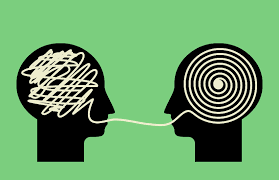
The first step toward improving your life is understanding your current situation. This means taking an honest look at your habits, choices, strengths, and weaknesses. Without awareness, it is difficult to know what needs to change.
Reflection is a powerful tool in this process. Take time to think about what is working in your life and what is not. Consider areas such as your health, relationships, career, and personal habits. Identifying these areas gives you clarity and direction.
This stage is not about judging yourself. It is about gaining insight. When you understand your starting point, you can begin to move forward with purpose.
Setting Clear and Realistic Goals
Once you understand where you are, the next step is to decide where you want to go. Setting clear goals provides direction and motivation. Without goals, it is easy to feel lost or stuck.
Your goals should be realistic and achievable. Instead of aiming for drastic changes, focus on small, manageable steps. For example, improving your health might start with regular exercise or better eating habits.
Breaking larger goals into smaller tasks makes them less overwhelming. Each small success builds confidence and keeps you motivated. Over time, these small steps lead to significant improvements.
Building Positive Habits
Habits play a major role in shaping your life. What you do consistently determines your results. Building positive habits is one of the most effective ways to improve your life.
Start by identifying habits that support your goals. These might include waking up early, exercising, reading, or practicing mindfulness. Begin with one or two habits and focus on maintaining them.
Consistency is more important than intensity. Small actions repeated daily create lasting change. It may take time to build new habits, but patience and persistence are key.
At the same time, work on reducing negative habits that hold you back. Replacing them with positive alternatives makes the process more sustainable.
Managing Your Time Effectively
Time is one of your most valuable resources. How you use it has a direct impact on your life. Effective time management helps you stay focused and productive.
Start by organizing your day. Prioritize tasks based on importance rather than urgency. This ensures that you focus on what truly matters.

Avoid distractions that take away your time and energy. This might include excessive use of social media or spending time on unproductive activities. Creating a structured routine helps you stay on track.
Balancing work, rest, and personal time is also important. A well-managed schedule allows you to be productive while maintaining your well-being
Developing a Growth Mindset
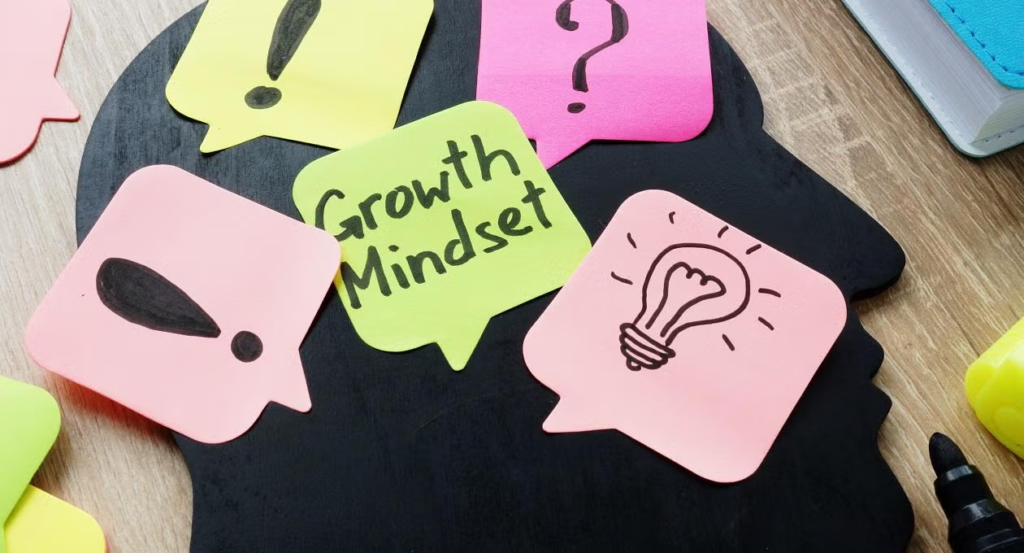
Your mindset influences how you approach challenges and opportunities. A growth mindset encourages you to see challenges as opportunities to learn and improve.
Instead of fearing failure, view it as part of the learning process. Every mistake provides valuable lessons that help you grow. This perspective makes it easier to take risks and try new things.
Believing in your ability to improve is essential. When you adopt a growth mindset, you become more open to change and more willing to put in the effort required for success.
Taking Care of Your Health
Physical and mental health are the foundation of a better life. Without good health, it is difficult to achieve your goals or enjoy your success.
Simple changes can make a big difference. Regular exercise, a balanced diet, and enough sleep contribute to your overall well-being. These habits improve your energy levels and focus.
Mental health is equally important. Managing stress, staying positive, and taking time to relax help maintain balance. Activities such as meditation or spending time in nature can support mental well-being.
Taking care of your health is not a one-time effort. It requires ongoing attention and commitment.
Building Strong Relationships

Relationships play a significant role in your happiness and growth. Surrounding yourself with supportive and positive people can make a big difference.
Focus on building meaningful connections. This involves open communication, trust, and mutual respect. Healthy relationships provide encouragement and support during difficult times.
It is also important to set boundaries. Protecting your time and energy ensures that your relationships remain balanced and healthy.
Investing in relationships requires effort, but the rewards are valuable. Strong connections enhance your overall quality of life.
Continuous Learning and Improvement
Life improvement is an ongoing process. There is always something new to learn and explore. Continuous learning helps you adapt to changes and stay relevant.
This can involve reading, taking courses, or learning new skills. Expanding your knowledge opens up new opportunities and perspectives.
Learning also helps build confidence. The more you know, the better equipped you are to handle challenges and make informed decisions.
Staying curious and open to new ideas keeps your growth journey active and engaging.
Overcoming Challenges and Staying Motivated

Improving your life is not always easy. There will be obstacles and moments of doubt. Staying motivated during these times is important.
Focus on your progress rather than perfection. Celebrate small achievements and use them as motivation to keep going. Remind yourself why you started and what you want to achieve.
Support from others can also help. Sharing your goals with trusted individuals provides encouragement and accountability.
Persistence is key. Even when progress feels slow, continuing to take action leads to results over time.
Creating Balance in Life
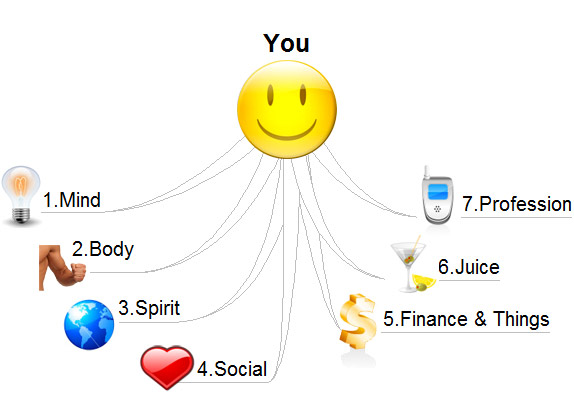
A balanced life is essential for long-term improvement. Focusing too much on one area while neglecting others can lead to stress and dissatisfaction.
Strive for balance between work, personal life, and self-care. Each area contributes to your overall well-being. Allocating time and energy to each ensures a more fulfilling life.
Balance does not mean equal time for everything. It means giving attention to what matters most at different stages of your life.
Being flexible and adjusting your priorities helps maintain this balance.
Conclusion: Small Steps, Lasting Change
Improving your life is a journey that requires patience, effort, and consistency. It is not about making dramatic changes overnight but about taking small, meaningful steps every day.
By understanding yourself, setting clear goals, building positive habits, and maintaining balance, you can create a better future. Challenges will arise, but with the right mindset and determination, they can be overcome.
Personal growth is not a destination but a continuous process. Each step you take brings you closer to the life you want. With commitment and a practical approach, lasting change is not only possible but achievable.
F&Q
1. What is life improvement?
Making small, positive changes to improve your overall well-being and daily life.
2. How can I start improving my life?
Begin with one simple habit and stay consistent.
3. How long does it take to see change?
It varies, but consistent effort shows results over time.
4. What if I lose motivation?
Take a break, refocus on your goals, and start again.
5. What is the key to success?
Consistency and patience are the most important factors.



0 Comments