We make thousands of choices every single day. Through the intricate lens of daily decision-making, from the moment your morning alarm buzzes, your brain is quietly working overtime. Do you hit snooze or jump straight out of bed? Do you brew a calming cup of green tea or pour a high-octane double espresso? Should you answer that passive-aggressive work email now or save it for tomorrow morning?
Most of the time, we cruise on autopilot. We make snap judgments, lean on old habits, and hope for the best. But when big crossroads appear—like navigating a career pivot, resolving a tense relationship, or trying to carve out space for a new creative hobby—that automatic autopilot system can stall out.
If you have ever stared blankly at a menu, a spreadsheet, or a life choice feeling completely paralyzed, you are not alone. Decision fatigue is a very real modern burden. Fortunately, strengthening your choice-making muscle is one of the most powerful catalysts for personal growth you can ever invest in.
Let’s explore how you can sharpen your cognitive toolkit, stop second-guessing yourself, and start making confident, aligned decisions in your everyday life.
Why Everyday Decision-Making is the Ultimate Personal Growth Engine
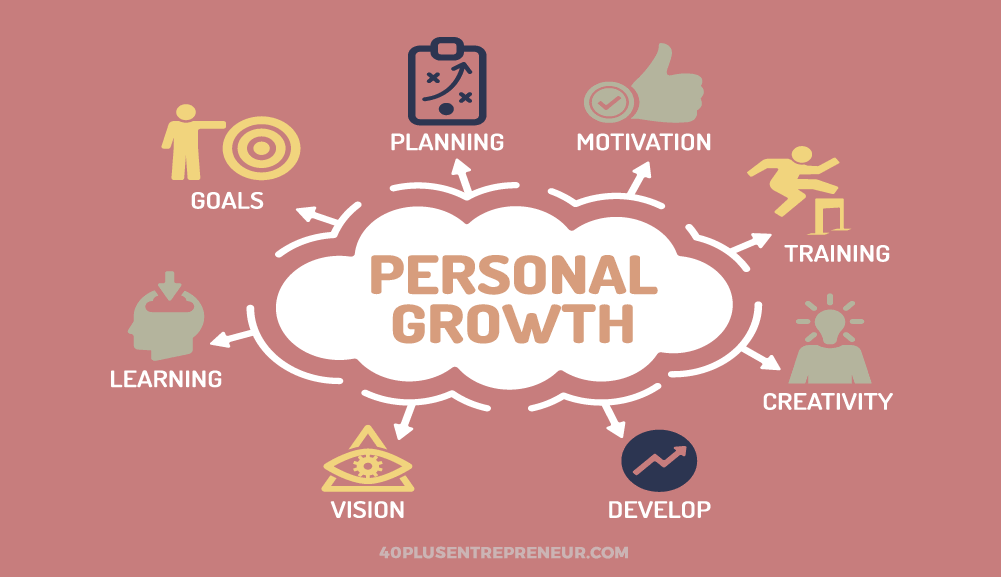
When people hear the term personal growth, they usually think of massive milestones: running a marathon, landing a dream promotion, reading fifty books a year, or completely reinventing their lifestyle.
True transformation, however, is rarely built on dramatic leaps. It is built in the quiet, mundane micro-moments. It lives in the choice to go to bed twenty minutes earlier, the decision to speak up in a meeting instead of staying silent, or the conscious choice to step away from your phone and pick up a creative craft.
Every decision you make acts as a vote for the person you are choosing to become. When you improve your decision-making skills, you stop reacting to life’s chaos and start directing your own story. You reduce daily anxiety, reclaim your mental energy, and build a deep, unshakable trust in your own judgment.
The Hidden Roadblocks: Why Choosing is So Hard
Before we look at how to get better at making choices, it helps to understand why our brains struggle so much in the first place. Modern life has handed us a few psychological traps that make choosing harder than ever:
Information Overload: Back in the day, buying a toaster meant choosing between two models at the local hardware store. Today, you can read four hundred customer reviews across twelve different websites before buying breakfast appliances. More data does not equal better choices; it usually just leads to analysis paralysis.
The Fear of Missing Out (FOMO): Choosing one path inherently means closing the door on others. If you pick career path A, you are saying no to path B. Our brains hate loss, so we stall out trying to keep every door cracked open.
The Perfectionism Trap: Many of us are secretly waiting for a neon sign to flash down from the sky, telling us the exact “right” choice. When perfection is the baseline, any normal, flawed option feels like failure.
Practical Strategies to Supercharge Your Decision-Making

You don’t need a psychology degree or an expensive executive coach to make better choices. You just need a few reliable frameworks that cut through emotional noise and bring clarity to the table.
The 10-10-10 Rule for Emotional Overload
When you are wrestling with a tough choice, emotions like fear, excitement, or pressure can cloud your vision. Created by writer Suzy Welch, the 10-10-10 rule forces your brain to zoom out and look at the bigger picture of personal growth.
- Ask yourself: How will I feel about this choice 10 minutes from now?
- Then ask: How will I feel about it 10 months from now?
- Finally ask: How will I feel about it 10 years from now?
Suddenly, that petty argument you want to start or that impulsive purchase you are eyeing loses its grip when you realize it won’t matter a lick ten months down the road. Conversely, choices that feel terrifying in the 10-minute window (like quitting a draining job) often look like brilliant turning points in the 10-year window.
Streamline Your Low-Stakes Choices
President Barack Obama famously wore only gray or blue suits during his presidency. Why? Because he wanted to save his cognitive bandwidth for actual crises, not waste it on deciding what to eat for breakfast or what to wear.
You make roughly 35,000 decisions a day. Most of them—like matching your socks or picking a cereal brand—suck up valuable mental real estate.
- Automate what you can. Plan your weekly dinners in advance, lay out workout clothes the night before, or stick to a simple capsule wardrobe. Conserving your mental energy for high-impact decisions is a cornerstone of sustainable personal growth.
Shift from “Maximizing” to “Satisficing”
Economist Herbert Simon coined a brilliant term called satisficing (a blend of satisfy and suffice).
- Maximizers exhaust themselves looking for the absolute best option. They will check every hotel review within a fifty-mile radius just to book a weekend getaway.
- Satisficers set clear criteria upfront. Once an option meets those criteria, they pull the trigger and stop looking.
Adopt the satisficing mindset. Decide what your non-negotiables are, find the first option that ticks those boxes, and commit. Your peace of mind is worth far more than finding a toaster that is two percent cheaper.
Consult the “Friend Test”
We are often our own worst counselors. When we face a personal dilemma, our internal critic amplifies every worst-case scenario, making us overly cautious or deeply self-doubting.
Whenever you find yourself spinning in circles over a choice, pause and ask yourself: “What would I tell my best friend to do if they were sitting in my exact shoes?”
Stepping outside your own head gives you instant objectivity. We are remarkably wise when looking out for the people we love; extending that same kindness and clarity to yourself is a game-changer for personal growth.
Embrace Action Over Agonizing
Perfectionism tells you to wait until all the stars align, the planets are in sync, and you feel one hundred percent ready. Real-world personal growth tells you a different story: clarity comes from action, not thought.
You can sit on your couch analyzing a new career direction for six months and learn very little. But if you spend one weekend taking an introductory workshop, building a prototype, or having a candid coffee chat with someone in that field, you will instantly gather more useful data than a hundred hours of overthinking. Make a choice, take a step, and adjust as you go.
Expanding Your Capacity: The Ripple Effect of Better Choices
When you actively train yourself to make more conscious, deliberate choices, something fascinating happens across other areas of your life. You stop drifting and start steering.
- In Relationships: You choose to address conflicts early rather than letting resentment brew silently in the background.
- In Finances: You pause before making a financial purchase and ask whether it aligns with your long-term goals or just your temporary mood.
- In Creativity and Leisure: You consciously carve out space to unplug from screens and dive into tactile hands-on hobbies—like hand-building a ceramic dish or shaping clay at your kitchen table—because you recognize how essential play is to mental well-being.
Every small, intentional choice builds your psychological resilience. You learn that even if a decision doesn’t pan out precisely the way you hoped, you possess the adaptability to handle the outcome. That self-trust is the ultimate prize of personal growth.
FAQ’s
1. Why are decision-making skills important in everyday life?
Good decision-making skills can help you choose thoughtfully, solve problems, manage time, and handle everyday situations with greater confidence.
2. How can I improve my decision-making skills?
Start by clearly understanding the situation, gathering useful information, considering your options, and thinking about the possible consequences.
3. What is the first step in making a good decision?
The first step is to clearly identify the problem or goal before choosing between different options.
4. How can I avoid making decisions too quickly?
Take a short pause, consider the important facts, and give yourself enough time to think when the decision is not urgent.
5. Does overthinking affect decision-making?
Yes, excessive thinking can make simple choices feel more difficult, so it helps to focus on relevant information and set reasonable limits.



0 Comments