Money has a quiet way of shaping everyday life. It influences the choices we make, the dreams we chase, and the peace we feel when we go to sleep at night. Like a tree that grows stronger with steady care, financial success is rarely built overnight. It grows through small, thoughtful decisions that slowly become lifelong habits.
Every year brings fresh opportunities and unexpected challenges. Prices change, technology evolves, and personal goals shift with time. That is why reviewing your finances each year is just as important as taking care of your health. These Money Moves Everyone Should Make can create a future filled with confidence instead of uncertainty, helping you stay prepared for both opportunities and unexpected setbacks.
If you have ever wondered how some people seem calm during financial storms, the answer is usually not luck. More often, it is preparation, discipline, and consistent decision-making. Here are ten Money Moves Everyone Should Make this year to build a healthier financial future, strengthen long-term financial security, and enjoy greater peace of mind.
Build an Emergency Fund Before Anything Else

Imagine standing beneath a strong tree during unexpected rain. That tree offers shelter because its roots have grown deep over time. An emergency fund works the same way for your finances.
Life is unpredictable. A sudden medical bill, car repair, or job change can appear without warning. Having money set aside for emergencies prevents these moments from becoming financial disasters.
Start by saving enough to cover three to six months of living expenses. If that feels overwhelming, begin with smaller milestones. Even saving a little each month creates momentum. Every deposit is another root strengthening your financial tree.
Knowing you have a financial safety net brings peace of mind that no expensive purchase can replace.
Create a Realistic Monthly Budget
Many people think budgets limit freedom, but the opposite is often true. A budget simply gives every dollar a purpose before it disappears.
Think of your income like a flowing river. Without direction, water spreads everywhere and loses its strength. With proper channels, it powers farms, cities, and entire communities. Your money behaves the same way.
Track your income and expenses honestly. Include essentials like housing, food, transportation, and savings before entertainment or luxury spending. Leave room for enjoyment because a realistic budget is easier to maintain than an overly strict one.
The goal is not perfection but awareness. Understanding where your money goes allows you to make better decisions every month.
Pay Down High-Interest Debt
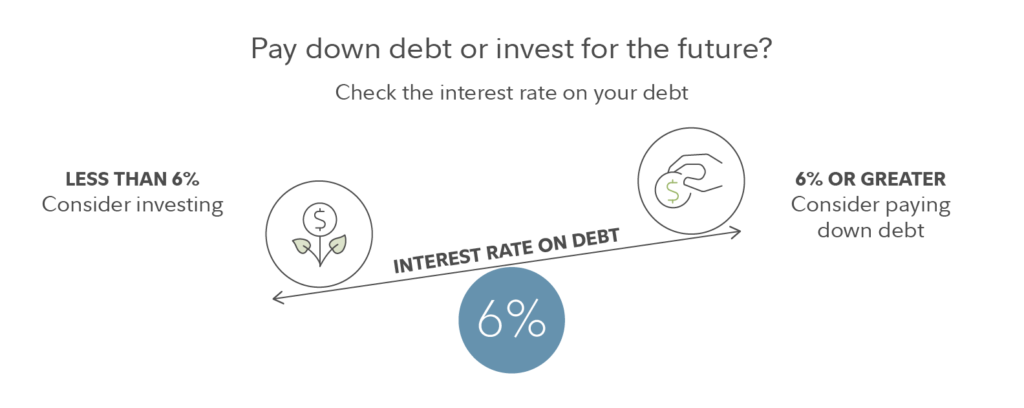
Debt can quietly grow like weeds in a beautiful garden. Left untouched, it slowly steals nutrients from everything around it.
Credit cards and high-interest loans often cost far more than people realize. Paying only the minimum balance means spending much more over time.
Focus on paying off the highest-interest debts first while continuing minimum payments on others. Every extra payment reduces future interest and brings you closer to financial freedom.
The feeling of eliminating debt is not only about saving money. It creates confidence, reduces stress, and opens the door to new opportunities.
Increase Your Savings Automatically
Good habits become powerful when they happen without constant effort.
Set up automatic transfers from your paycheck into a savings account. Even a modest amount saved consistently grows over time through discipline and compound growth.
Picture planting a seed every week. At first, the ground appears unchanged. Months later, small plants begin to emerge. Years later, you have an entire forest.
Automatic saving removes the temptation to spend first and save later. Instead, saving becomes part of your normal routine without requiring daily decisions.
Start Investing for Long-Term Growth
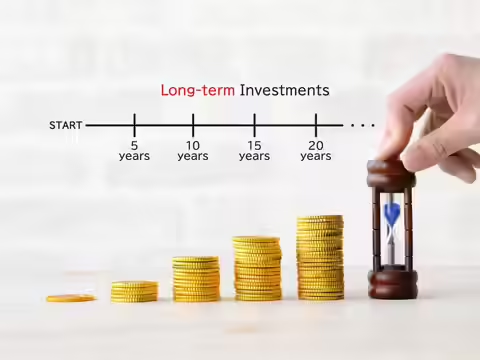
Keeping all your money in a regular savings account may not keep up with inflation over many years. Investing allows your wealth to work while you focus on your career, family, and personal goals.
Diversified investments such as index funds, retirement accounts, or exchange-traded funds have helped many long-term investors build wealth steadily.
Saving protects your money. Investing helps it grow.
The most valuable advantage is often time rather than large amounts of money. Starting early allows compound growth to multiply small investments into meaningful financial resources over the years.
Every investor begins somewhere. The important step is simply getting started with patience and consistency.
Review and Cut Unnecessary Expenses
Small expenses often seem harmless until they quietly collect month after month.
Take time to review subscriptions, memberships, online services, and recurring payments. You may discover charges you barely remember signing up for.
Ask yourself simple questions.
Does this purchase improve my daily life?
Would I miss it if it disappeared tomorrow?
Can I find a less expensive alternative?
Cutting unnecessary spending does not mean giving up happiness. Instead, it means choosing the things that genuinely matter while removing financial clutter.
Like pruning extra branches from a growing tree, removing unnecessary expenses helps healthy financial habits flourish.
Increase Your Income Whenever Possible

Saving is important, but earning more can create even greater financial flexibility.
Look for opportunities to develop valuable skills, earn certifications, negotiate a salary increase, freelance, consult, or start a small side business.
Today’s digital world offers countless opportunities for additional income through online services, content creation, teaching, design, writing, programming, and consulting.
Even a few extra hours each week can produce meaningful additional income that supports savings, investments, or debt repayment.
Growth often begins with learning something new. Every new skill becomes another branch supporting your financial future.
Protect Yourself with Proper Insurance
Building wealth is only part of financial planning. Protecting it is equally important.
Health insurance, life insurance, home insurance, and vehicle insurance help reduce financial risk during unexpected situations.
While insurance premiums may feel like another monthly expense, they can prevent enormous financial losses later.
Think of insurance as a sturdy roof over your financial home. You hope you never need it during a storm, but when heavy rain arrives, you are grateful it is there.
Review your policies each year to ensure your coverage still matches your current needs.
Plan for Retirement Earlier Than You Think

Retirement may seem far away, especially for younger adults, but time remains the greatest advantage.
Every year you delay investing for retirement is a year of lost compound growth. Starting earlier allows smaller contributions to produce larger long-term results.
Whether through employer retirement plans, pension programs, or individual retirement accounts, consistent investing creates financial independence over time.
Imagine watching the sunrise over a peaceful valley after years of climbing a mountain. Retirement planning follows the same principle. The effort made today creates the freedom enjoyed tomorrow.
Even modest monthly contributions can grow into significant retirement savings across several decades.
Continue Learning About Personal Finance
Financial education never truly ends.
Markets change, technology evolves, tax laws shift, and investment opportunities develop over time. People who continue learning often make wiser financial decisions because they understand how money works.
Read books, follow trusted financial experts, listen to educational podcasts, and take online courses that improve your financial knowledge.
The more you understand money, the less intimidating financial decisions become.
Curiosity is one of the greatest investments anyone can make. Knowledge often produces returns that last a lifetime.
The Power of Small Decisions
Many people believe financial success requires dramatic changes. In reality, lasting wealth is usually built through small, repeated actions.
Skipping one unnecessary purchase, increasing your savings by a small percentage, paying a little extra toward debt, or investing consistently may seem insignificant today. Yet over months and years, these choices combine like tiny streams joining together to form a powerful river.
Progress rarely happens all at once. Nature reminds us that the tallest forests began with tiny seeds, and the strongest mountains were shaped over countless seasons. Your financial journey follows a similar path.
There will be months when unexpected expenses appear or progress feels slow. That is completely normal. What matters most is continuing forward instead of giving up. Every thoughtful decision strengthens your future and brings you one step closer to financial confidence.
FAQ’s
1. What is the smartest money move to start with?
Build an emergency fund for unexpected expenses.
2. Why is budgeting important?
It helps you control spending and save more.
3. Should I pay off debt before investing?
Pay high-interest debt first, then invest consistently.
4. How much should I save each month?
Aim for at least 20% of your income if possible.
5. Why should I review my finances every year?
It helps you adjust goals and improve financial stability.
- How to Invest in Mutual Funds in 2026: Beginner’s Guide
- DIY Navratri Rangoli Ideas 2026: Easy & Beautiful Designs for Home
- Latest Entertainment Trends 2026: Movies, Music, Streaming & More

- DIY Navratri Hair Clips: Beautiful Dandiya-Inspired Accessories to Make at Home

- Latest Travel Trends 2026: New Ways to Explore the World

- How to Improve Your Decision-Making Skills in Everyday Life



0 Comments