Personal growth and success are not achieved overnight. They are the result of consistent effort, self-awareness, discipline, and the willingness to improve over time. In a world filled with distractions and constant pressure, many people look for guidance on how to become more focused, confident, and productive. Self-help books have become one of the most trusted sources for this kind of guidance because they combine practical advice with real-life experiences and proven strategies.
The best self-help books do not promise instant success. Instead, they help readers understand their habits, thoughts, and actions so they can make better decisions. They encourage long-term change rather than temporary motivation. Whether someone is a student, professional, entrepreneur, or simply looking to improve their daily life, the right book can provide valuable insights that lead to meaningful transformation.
The Power of Self-Help Books in Personal Development
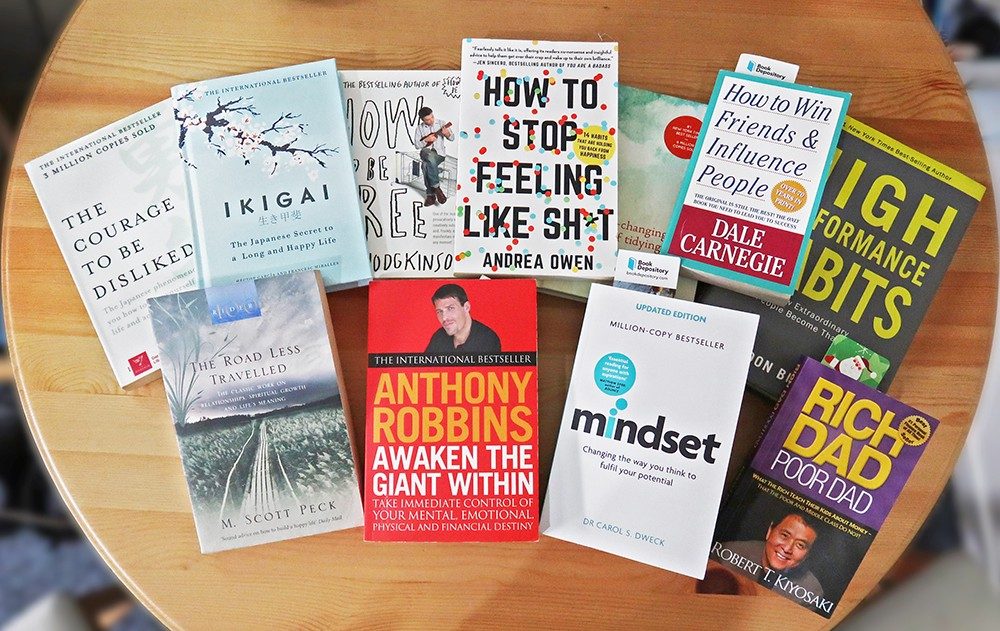
Self-help books play an important role in shaping mindset and behavior. They help readers identify limiting beliefs and replace them with positive, constructive thinking patterns. Many successful individuals credit reading as a key factor in their growth because it exposes them to new perspectives and strategies.
One of the biggest advantages of self-help books is accessibility. Anyone can pick up a book and start learning at their own pace. Unlike formal education, these books focus on practical life situations such as building discipline, improving communication, managing time, and developing confidence. Over time, these lessons help readers make better choices in both personal and professional life.
Another important benefit is self-reflection. Good self-help books encourage readers to think deeply about their habits, goals, and priorities. This reflection helps individuals understand what is holding them back and what steps they need to take to move forward.
Atomic Habits by James Clear

The main message of the book is simple. Success is not about making huge improvements all at once but about improving just one percent every day. Clear explains how habits are formed and how they can be changed using a structured system. He introduces the concept of habit loops and explains how cues, cravings, responses, and rewards shape behavior.
One of the most widely recommended books in the world of personal development is Atomic Habits by James Clear. This book focuses on the idea that small changes, when done consistently, lead to remarkable results over time.
What makes this book powerful is its practicality. It does not rely on motivation alone. Instead, it teaches readers how to design their environment, reduce friction for good habits, and make bad habits less appealing. Many readers find that applying even a few ideas from this book leads to noticeable improvements in productivity and discipline.
The 7 Habits of Highly Effective People by Stephen R. Covey
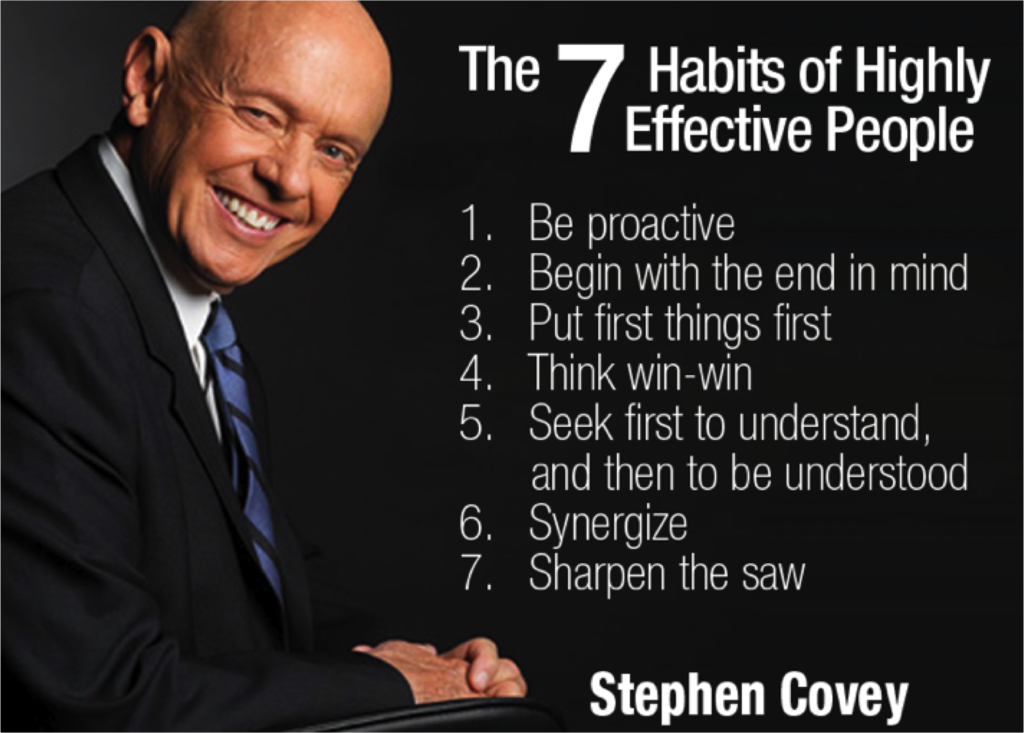
Another classic in the self-help genre is The 7 Habits of Highly Effective People by Stephen R. Covey. This book focuses on character development and long-term effectiveness rather than quick fixes.
Covey presents seven core habits that help individuals become more responsible, proactive, and goal-oriented. These include being proactive, beginning with the end in mind, prioritizing important tasks, thinking win-win, and seeking to understand before being understood.
The strength of this book lies in its focus on principles rather than trends. Covey emphasizes values such as integrity, discipline, and empathy. Readers learn that true success comes from balancing personal and professional responsibilities while maintaining strong relationships.
This book is especially useful for people who want to improve leadership skills, communication, and decision-making. It encourages readers to take ownership of their actions and focus on what they can control.
Think and Grow Rich by Napoleon Hill
Think and Grow Rich by Napoleon Hill is one of the most influential books on success and mindset. Although it was written many decades ago, its ideas are still widely discussed today.
The book is based on the study of successful individuals and identifies common traits that contributed to their achievements. Hill emphasizes the importance of desire, belief, planning, and persistence. One of the key ideas in the book is that thoughts can influence reality when combined with consistent action.
While some of its concepts are motivational in nature, many readers find value in its focus on goal setting and determination. The book encourages individuals to develop a clear vision of what they want and take deliberate steps toward achieving it.
The Power of Now by Eckhart Tolle
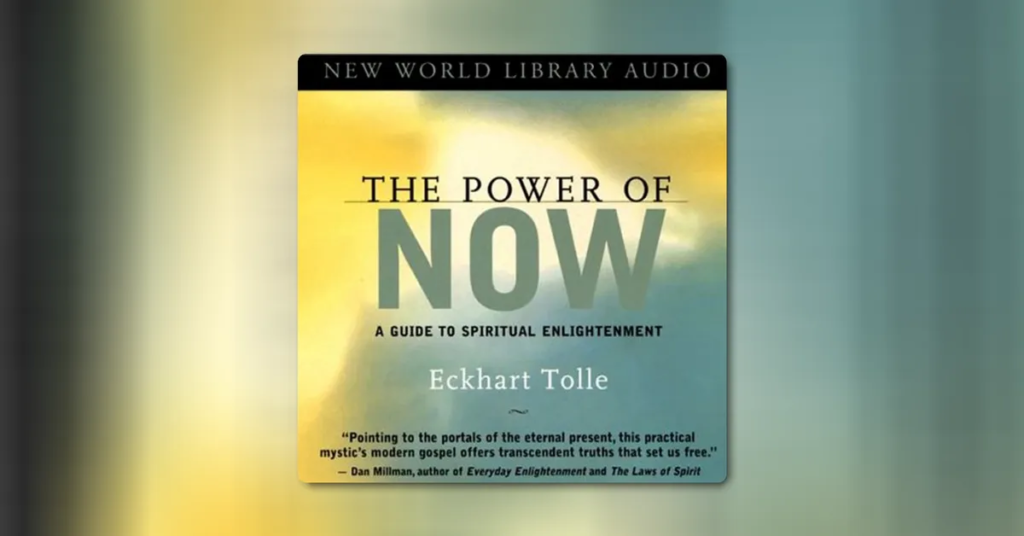
The Power of Now by Eckhart Tolle takes a different approach compared to traditional success-focused books. Instead of focusing on external achievements, it emphasizes inner peace and mindfulness.
Tolle explains how many people suffer because they are constantly thinking about the past or worrying about the future. The book encourages readers to focus on the present moment and develop awareness of their thoughts.
This approach helps reduce stress and anxiety while improving clarity and focus. Many readers find that practicing mindfulness improves not only their mental well-being but also their productivity and decision-making.
The book is especially helpful for individuals who feel overwhelmed or disconnected from their goals. It teaches that success is not only about external achievements but also about internal balance.
How to Win Friends and Influence People by Dale Carnegie
Communication is a key part of personal and professional success, and How to Win Friends and Influence People by Dale Carnegie remains one of the most important books on this subject.
Carnegie’s book focuses on improving social skills, building relationships, and understanding human behavior. It teaches readers how to communicate effectively, listen actively, and handle conflicts in a positive way.
One of the key lessons is that people respond better to appreciation than criticism. By showing genuine interest in others, individuals can build stronger and more meaningful connections.
This book is especially useful for professionals, leaders, and anyone who wants to improve their interpersonal skills. Its principles are simple but powerful, making it a timeless guide for communication.
The Subtle Art of Not Giving a F*ck by Mark Manson
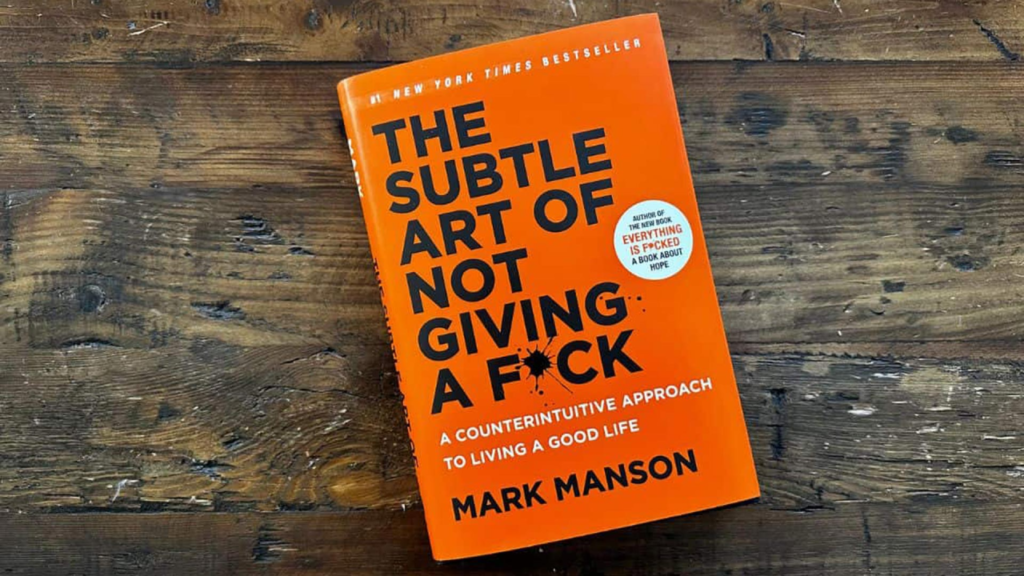
Mark Manson’s The Subtle Art of Not Giving a Fck* offers a more realistic and straightforward approach to self-improvement. Instead of promoting constant positivity, the book encourages readers to focus only on what truly matters.
The book emphasizes responsibility, honesty, and acceptance of failure as part of growth. Its direct writing style resonates with readers who prefer practical advice over overly motivational content.
Manson explains that life is full of challenges and limitations, and trying to care about everything leads to stress and frustration. Instead, individuals should choose their priorities carefully and accept that not everything deserves attention.
The Mountain Is You by Brianna Wiest
The Mountain Is You by Brianna Wiest focuses on self-sabotage and emotional growth. It explores why people often stand in their own way and how they can overcome internal barriers.
Wiest explains that many obstacles in life are created by internal fears, habits, and emotional patterns. By becoming aware of these patterns, individuals can begin to change their behavior and make better choices.
The book encourages emotional healing, self-awareness, and personal responsibility. It is especially helpful for readers who want to understand their inner struggles and work toward long-term change.
The Alchemist by Paulo Coelho
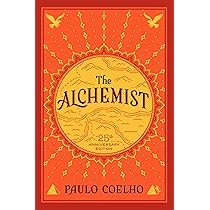
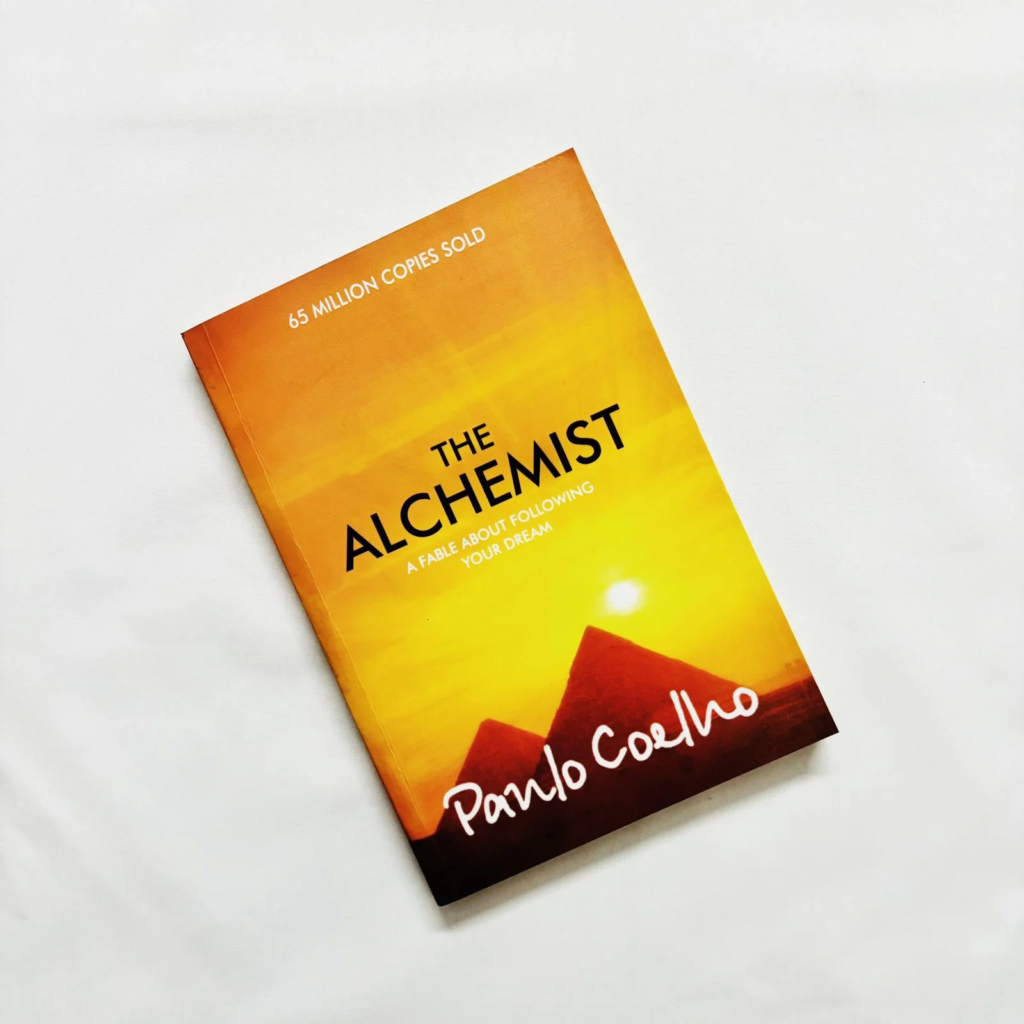
Although The Alchemist by Paulo Coelho is often considered a novel, it carries strong self-help themes about purpose, dreams, and personal destiny.
The story follows a young shepherd who embarks on a journey to discover his personal legend. Along the way, he learns valuable lessons about following his dreams and listening to his intuition.
The book inspires readers to pursue their goals with courage and faith, even when the path is uncertain. Its simple storytelling carries deep meaning about life purpose and personal growth.
Conclusion
Self-help books remain one of the most effective tools for personal growth and success. They offer guidance, inspiration, and practical strategies that help individuals improve different areas of life. While no book can change a person overnight, consistent reading and application of ideas can lead to significant transformation over time.
Books like Atomic Habits, The 7 Habits of Highly Effective People, and Think and Grow Rich provide practical frameworks for success, while titles like The Power of Now and The Mountain Is You focus on emotional and mental well-being. Together, they cover a wide range of topics that contribute to a balanced and successful life.
Ultimately, personal growth depends on action. Reading provides knowledge, but applying that knowledge creates change. The right self-help book can serve as a guide, but the real progress comes from the decisions and habits built every day.
F&Q
- What are the best self-help books for success?
Books like Atomic Habits and The 7 Habits of Highly Effective People are highly recommended. - Do self-help books really work?
Yes, if you apply the lessons consistently in real life. - Which self-help book is best for beginners?
Atomic Habits is simple and very practical for beginners. - Can self-help books improve confidence?
Yes, they help change mindset and build better habits. - How often should I read self-help books?
Reading regularly, even a few pages daily, is most effective.
- How to Invest in Mutual Funds in 2026: Beginner’s Guide
- DIY Navratri Rangoli Ideas 2026: Easy & Beautiful Designs for Home
- Latest Entertainment Trends 2026: Movies, Music, Streaming & More

- DIY Navratri Hair Clips: Beautiful Dandiya-Inspired Accessories to Make at Home

- Latest Travel Trends 2026: New Ways to Explore the World

- How to Improve Your Decision-Making Skills in Everyday Life




0 Comments