Lifestyle stopped being a lightweight topic a long time ago. Today, it’s a mirror of deep cultural shifts. New reports from McKinsey, WGSN, Euromonitor, and Pinterest Predicts all echo the same message: we’re burned out and looking to live differently. Sure, AI is a trend too, but this time, let’s set aside technology and focus on what’s deeply human. The everyday stuff that shapes how we live, feel, and behave. Here are 10 lifestyle trends you’ll want to keep in mind if you’re in charge of marketing or brand communications.
Slow travel and the sleeper train’s second life
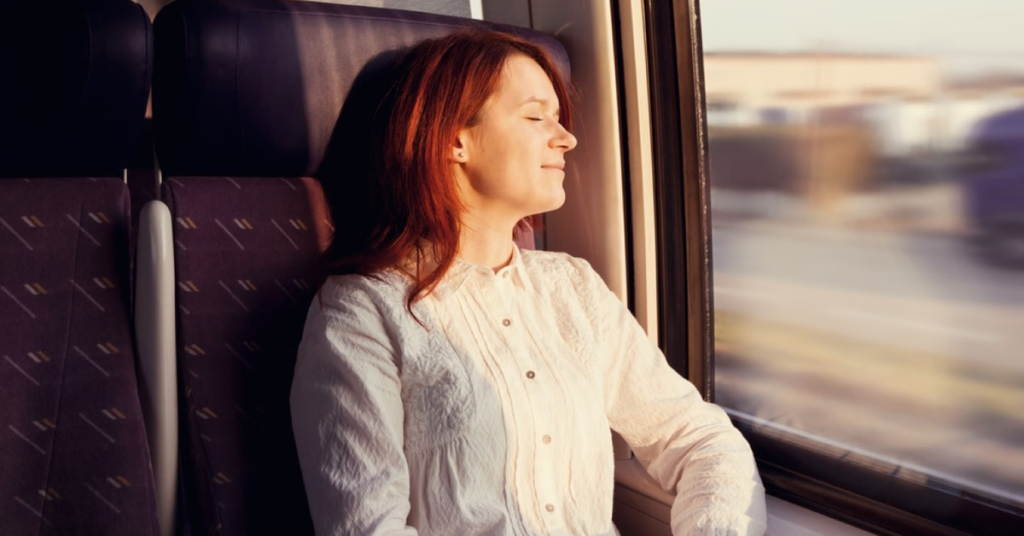
The overnight train has gone from nostalgia piece to genuine booking option, with new and revived routes threading across Europe and a generation of travellers deciding that arriving in the morning beats arriving cheaply. Slow travel in Lifestyle Trends 2026 is less about virtue than about texture: one country instead of four, a fortnight in a single valley, the trip where the journey is the holiday rather than the toll paid for it. The corollary is a certain snobbery about the 48-hour city break, which is unfair but probably unavoidable. The trend to watch is duration – longer stays, fewer of them, and a quiet rehabilitation of the coach.
Digital minimalism and analogue maximalism
Even knowing that AI was on the rise, the speed with which it has overtaken daily life in recent years might have been shocking to some.Amid the ubiquity of ChatGPT and the dominance of the top US tech firms – the so-called “Magnificent 7” – in global markets, 2026 could be largely about switching off.Expect tech minimalism in the form of digital detoxes, simplified home screens, and silenced notifications as we all try to be more mindful of our phone and device usage.Alongside this, there’s likely to be a continued surge in retro formats like cassette tapes and CDs as people shun digital music services like Spotify, while vinyl also continues to thrive.
Analogue hobbies like journaling, crocheting, and photography will also gain additional followers as younger generations look to shun the digital space in favour of tangible objects and output.
Somatic wellness and nervous system regulation
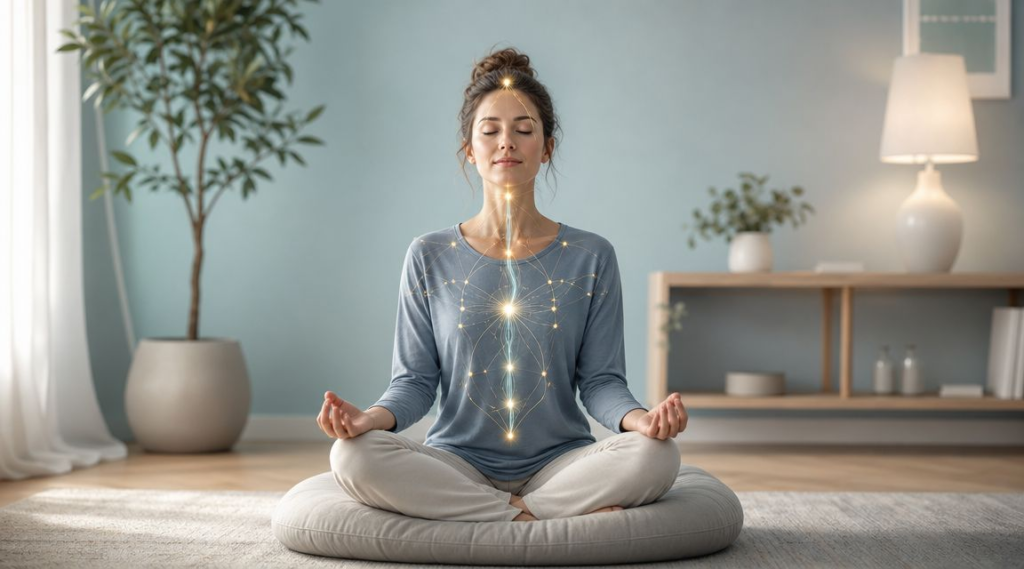
For years, mental health focused on talking (the mind); this year, the focus has shifted to the body.Practices like breathwork, cold plunging and vagus nerve stimulation are no longer fringe. They are daily tools used to manage the physical symptoms of stress.Workouts are shifting from “no pain, no gain” to “movement for regulation,” including slow-flow yoga, shaking therapies and grounding (barefoot) training.
Climate-conscious travel: “Slowcations” and “glowcations”
Travel in 2026 is less about “ticking boxes” and more about transformation and sustainability.
Slowcations: Staying in one location for longer, engaging with local communities and prioritising trains or eco-friendly transit over short-haul flights are in. Glowcations: Travel specifically designed for a “glow-up” – longevity retreats, forest immersion and mineral hot spring trips aimed at returning home as a physically improved version of yourself.Cool-cations: Travel specifically to northern or higher-altitude climates to escape the extreme summer heat of traditional hotspots.
Slow life instead of hustle culture
Before 2020, being obsessed with work was the norm. Some of us still cling to that mindset, but today, it’s considered toxic productivity. According to the McKinsey Health Institute, over 22% of millennials feel burnt out almost daily. That’s why we’re seeing a rising demand for slow rhythms, mindfulness, and calm. Slow living is about guilt-free rest, morning rituals, more time for family and hobbies. It’s a direct response to hustle culture, achievement pressure, and a system where overworking was a badge of honor. Don’t be a productivity abuser. Don’t gaslight your team.
Eco-consciousness and intentional consumption Lifestyle
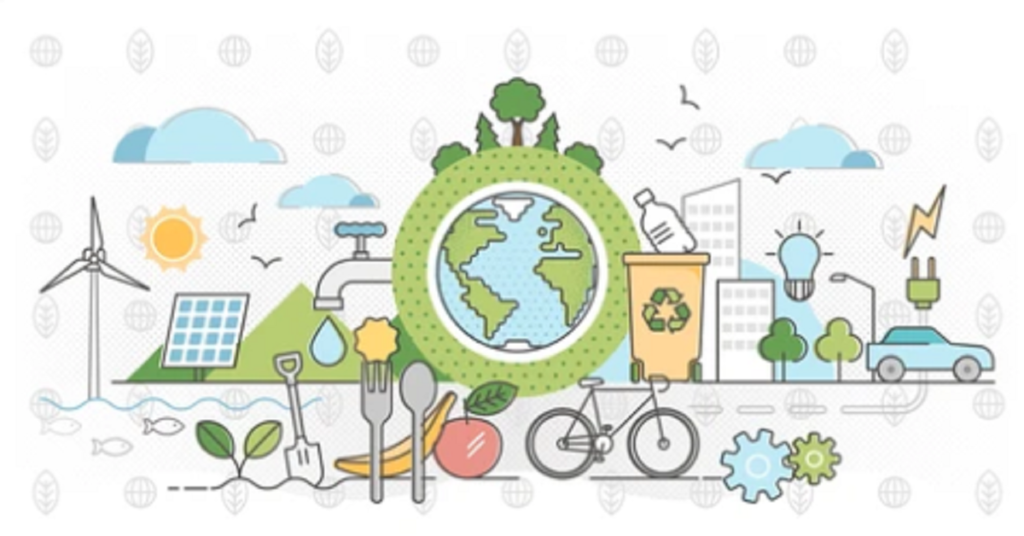
In 2025, the “No Buy Year” challenge went viral, encouraging people to buy nothing unnecessary for a year to save money and reduce clutter and their carbon footprint. Pinterest Predicts notes a rise in content with messages like “don’t buy this.” The movement has had an impact: intentional consumption is going mainstream. Of course, this is tricky for companies that want to sell more, but many are adapting. Nike, IKEA, and Levi’s already have programs for resale and take-back of their own products. Some Gen Z shoppers now buy exclusively secondhand. We’re also seeing influencers share which brands are vintage gold.
Hobby culture fuels creativity
Craft is the new self-care. People are knitting, sculpting, fixing, and DIY-ing their way to peace. Workshops and hands-on formats are booming: at events, guests want to make their own ceramics, candles, even cosmetics. Brands are responding. Apple dropped a knitted iPhone Pocket. IKEA is launching local maker spaces. It’s not just about the final product — it’s about the story and the experience.
Strength, sleep and the long game
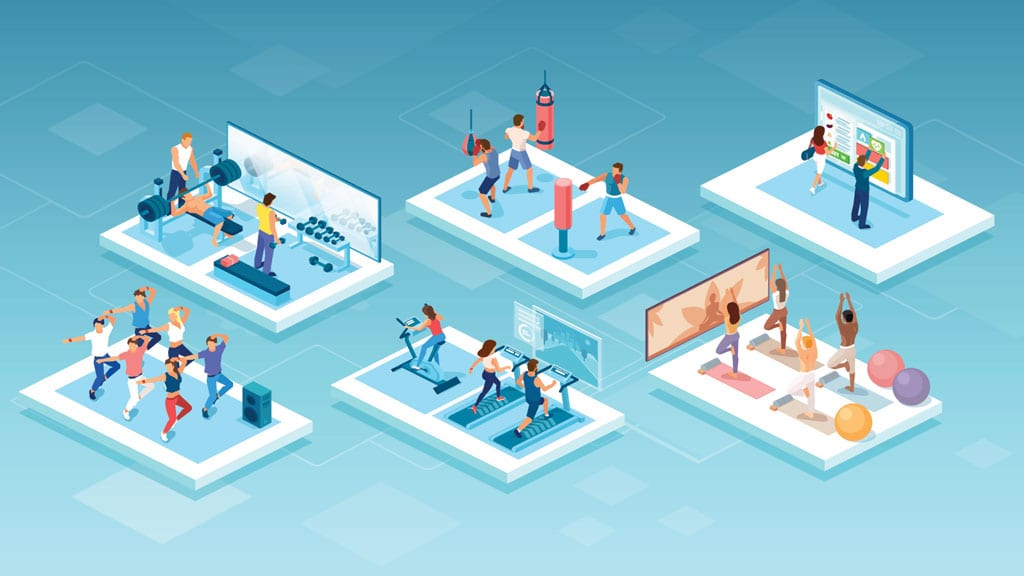
The longevity conversation is finally shedding its more absurd fringe. What survives is unglamorous and effective: resistance training twice a week, protein at breakfast, walking treated as transport rather than exercise, and sleep taken seriously enough to build an evening around. The wearables are being demoted from oracle to notebook, partly because the data was making people anxious and partly because the advice never changes. Expect gyms to keep converting cardio floors into squat racks, and expect the word “biohacking” to sound distinctly 2023.
A focus on “brain wealth”, not brain health
We’re all aware of brain-training apps and exercises, as well as the principle that the brain is a muscle like any other. Staying mentally active in old age can be useful for staving off natural decline and could even help to delay the onset of conditions like dementia.
In 2026, however, you can expect to see a shift away from brain health to “brain wealth”.
Fittingly for The Pension Planner, this new trend will see brain health as an ongoing and long-term investment, rather than something to think about only as you get older.Alongside brain training exercises like sudoku, crosswords, and other problem-solving puzzles, expect to see a rise in supplements and vitamins directed at improving and maintaining brain health earlier in life. These will be combined with a continued focus on overall wellbeing and mental health.
Buy once, mend twice
Wardrobe culture has swung decisively towards fewer, better and older. Repair cafés have waiting lists, cobblers are being rediscovered by people who assumed they had all closed, and the resale platforms have made the secondhand jacket the default rather than the compromise. There is a hard-headed logic underneath the romance: an item bought to last five years and mended once is cheaper per wear than anything on a rolling drop schedule. The aesthetic consequence is a certain sameness – everyone in the same well-made coat – but the alternative was worse.
The dinner party dissolves into the weeknight supper
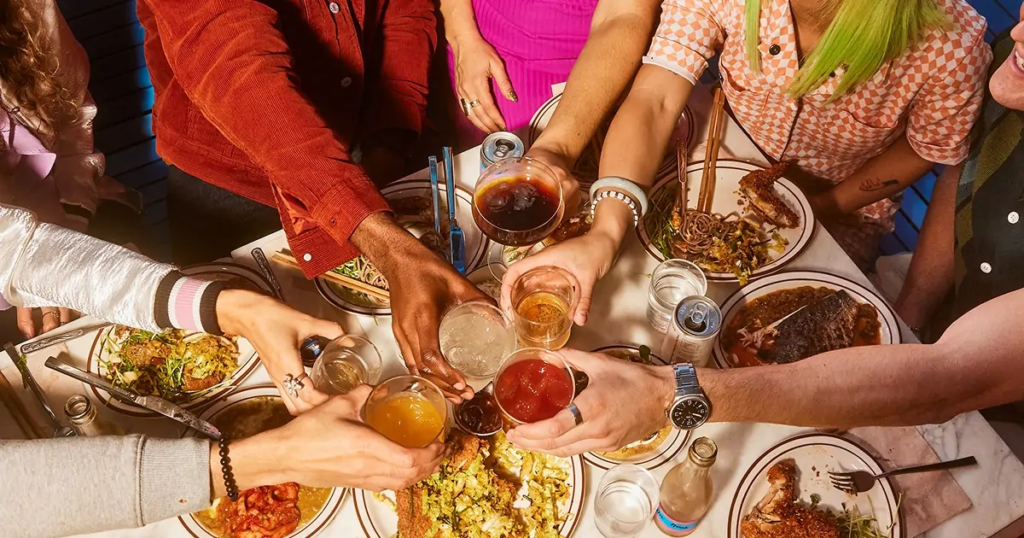
Hosting is being deliberately de-skilled. The four-course Saturday production has given way to a Tuesday with one large pot, a bag of bread and no expectation that anyone dresses for it – an approach that gets people around a table roughly ten times more often. Batch cooking, the freezer as an active tool and the return of the properly stocked pantry all follow from it. It is the most hopeful trend on this list, because it is the one that solves loneliness with lentils rather than an app.
FAQ’s
1. What are the major lifestyle trends in 2026?
Wellness, sustainable living, digital lifestyles, mindful habits, personalized experiences, and flexible ways of living are among the key trends.
2. Why are lifestyle trends important?
Lifestyle trends can reflect changing consumer habits, priorities, technology, and approaches to everyday living.
3. How can I follow lifestyle trends without changing everything?
Choose trends that fit your needs and introduce small, practical changes rather than trying to adopt everything at once.
4. Are sustainable lifestyles becoming more popular in 2026?
Sustainability continues to influence choices around shopping, fashion, food, travel, and home living.
5. How does technology influence lifestyle trends?
Technology is influencing how people work, communicate, shop, stay entertained, manage routines, and access services.
0 Comments