The 10 best books for personal growth and self-improvement offer actionable frameworks to reshape your mindset, optimize your daily habits, and unlock your true potential. Written by leading psychologists, performance experts, and thought leaders, these titles deliver high-utility strategies backed by science and lived experience. From mastering deep focus in a highly distracted world to building cognitive resilience against life’s inevitable setbacks, this curated reading list provides the ultimate roadmap for continuous development. Investing your time in these pages allows you to dismantle limiting beliefs and build a high-performance lifestyle. Whether you want to master your morning routine, improve your social intelligence, or find peace in the present moment, these foundational texts deliver the exact tools required to transform your personal and professional life from the inside out.
Atomic Habits by James Clear
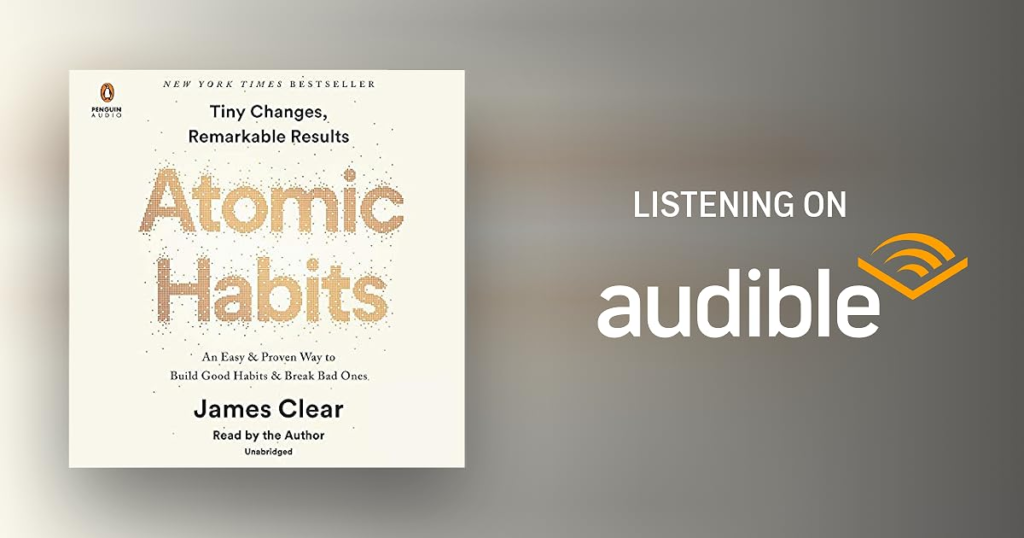
“Atomic Habits” by James Clear is a profoundly insightful and transformative self help book that elegantly explores the intricate relationship between our habits and our identity. Clear’s pragmatic and research-backed approach offers a unique take on behavior modification, making it an invaluable resource for anyone seeking personal development.
The core of the book lies in Clear’s ‘Four Laws of Behavior Change’: Make it Obvious, Make it Attractive, Make it Easy, and Make it Satisfying. Clear elegantly breaks down the complexities of habit formation into these approachable components, providing us with an actionable framework to bring about positive change in our lives. This systematic approach feels incredibly empowering, turning habit change from a monumental task into a series of manageable steps.
“Atomic Habits” stands out as a paradigm-shifting book in the realm of personal development. It provides a lucid, robust, and flexible habit formation and transformation framework. Whether you’re looking to shake off bad habits or adopt new ones, “Atomic Habits” is a must-read that teaches how small changes can have a profound impact on our lives.
The 7 Habits of Highly Effective People by Stephen R. Covey
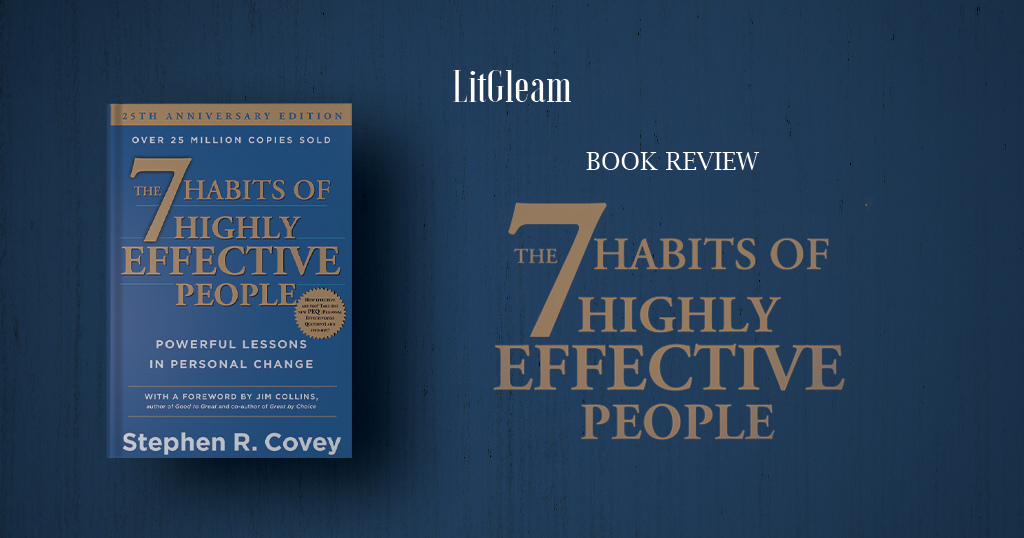
Stephen R. Covey’s “The 7 Habits of Highly Effective People” is an enduring classic in the realm of self-help books. Covey’s insightful blend of wisdom, practical advice, and timeless principles delivers a roadmap for personal effectiveness that is as relevant today as it was when first published.
The seven habits that Covey elucidates form a cohesive framework for personal and professional success. The habits progress logically, from mastering self (proactivity, goal-setting, prioritizing) to dealing with others (empathy, synergy, communication), and finally to self-improvement and growth (continuous learning). This approach underlines the importance of building a strong inner foundation before working on interpersonal relations.
“The 7 Habits of Highly Effective People” is more than a personal growth book; it’s a tool for personal transformation, to take control of your own life. It’s a guide that encourages readers to move beyond the pursuit of success to a deeper, more meaningful understanding of effectiveness. This seminal work is a must-read for anyone looking to evolve as an individual and achieve their full potential.
Mindset by Carol S. Dweck
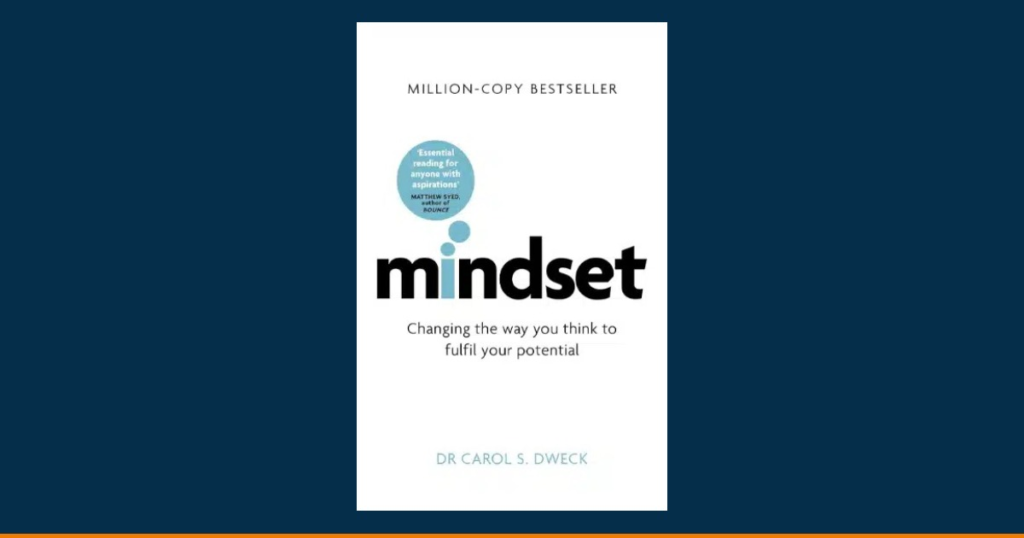
“Mindset: The New Psychology of Success” by Dr. Carol S. Dweck is a transformative exploration into the profound impact of our beliefs on our life outcomes. Drawing from decades of research in developmental psychology, Dweck delineates two primary mindsets: the fixed mindset and the growth mindset.
At its core, the fixed mindset is the belief that our abilities and traits are static and immutable. Those with a fixed mindset might view challenges as threats, avoid difficult tasks, and often feel threatened by others’ success. Contrastingly, the growth mindset revolves around the belief that abilities can be developed through dedication, effort, and resilience. Individuals with this mindset view challenges as opportunities and are less likely to be deterred by setbacks.
“Mindset: The New Psychology of Success” is a paradigm-shifting self-improvement book that challenges long-held beliefs about talent and potential. While there might be nuances to the growth mindset philosophy that require further exploration, Dweck’s foundational message—that our beliefs shape our destiny—is both powerful and empowering. The book is a must-read for educators, parents, leaders, and anyone seeking personal growth.
How to Stop Worrying and Start Living
In ‘How to Stop Worrying and Start Living’, Carnegie presents a practical, solution-focused approach to managing worry and anxiety. He offers a range of strategies, such as living in “day-tight compartments,” analyzing worries to understand their relevance, and accepting the worst-case scenario to reduce anxiety.
Both books exemplify Carnegie’s skill in transforming complex human emotions and interactions into manageable, practical steps. They stand as timeless classics, invaluable for anyone seeking to improve their interpersonal skills and attain a worry-free life. Despite minor drawbacks, their profound insights continue to hold relevance in today’s fast-paced, highly social world.
The Four Agreements
Don Miguel Ruiz’s “The Four Agreements” is a compelling exploration of Toltec wisdom that has secured its place as a modern spiritual classic. The book’s profound yet straightforward principles invite us to participate in transforming our lives by altering our mindset and perspective.
Ruiz encourages the reader to scrutinize and break free from the limiting beliefs and societal ‘agreements’ that often stifle our true selves. This examination facilitates liberation from societal conditioning, opening pathways to personal freedom and authentic living
“The Four Agreements” is a powerful exploration of ancient wisdom made relevant for the modern reader. It serves as a roadmap for personal freedom, offering insights that, when internalized, can lead to a profound inner transformation. It’s a must-read for anyone on the path of self-discovery and personal growth.
You are a Badass
Jen Sincero’s “You Are a Badass: How to Stop Doubting Your Greatness and Start Living an Awesome Life” is a boisterous and empowering self-help book that has made a splash in the personal development genre. Sincero’s work stands out for its unique voice, combining humor, honesty, and boldness to deliver practical wisdom.
“You Are a Badass” demystifies the concept of self-improvement. Sincero approaches it with an unabashed candor and a refreshing lack of pretension, making personal growth accessible to everyone. She reframes our internal narratives about self-worth and success, encouraging us to shed self-doubt and embrace our inner ‘badass’.
“You Are a Badass” is a robust and refreshing take on self-improvement. It doesn’t shy away from tough truths and urges readers to take control of their lives with audacity. If you’re open to a blend of humor, spirituality, and self-help, and ready to challenge your self-perceptions, this book may just be the kickstart you need.
The Power of Habit
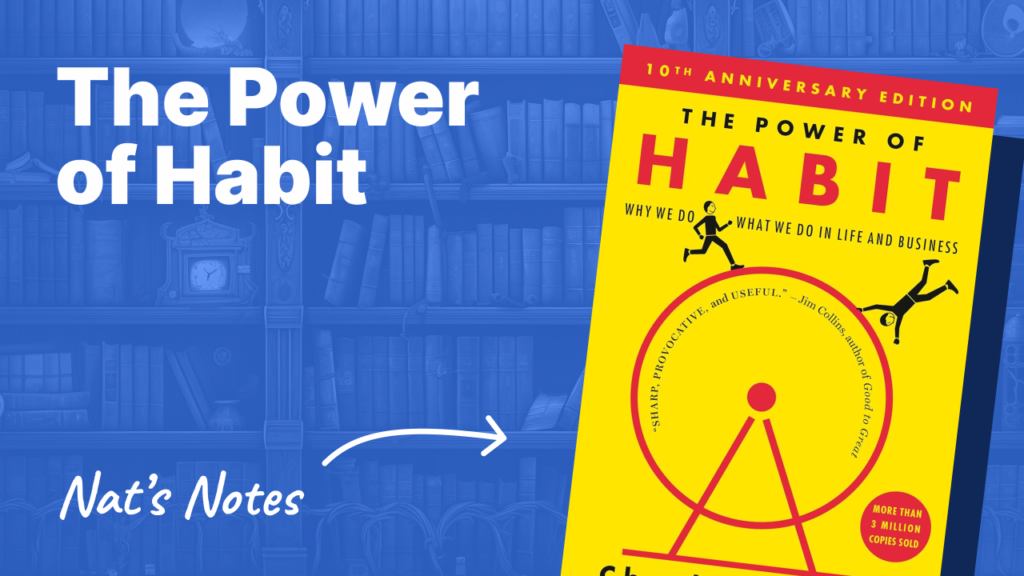
Charles Duhigg’s “The Power of Habit: Why We Do What We Do in Life and Business” is a gripping exploration of the science behind habit formation and reformation. The book stands as an influential guide in the realm of self-improvement, offering a compelling blend of scientific research, gripping narratives, and practical strategies.
“The Power of Habit” distinguishes itself by not just examining personal habits, but also delving into organizational and societal habits. This wide lens provides readers with a holistic understanding of how habits operate on multiple scales.
Duhigg presents a simple yet potent framework – the Habit Loop comprising of cue, routine, and reward – as the basis of all habits. This lucid breakdown of the mechanics of habit formation serves as the foundation for the book’s most impactful strategies.
“The Power of Habit” is a compelling and insightful exploration of the science of habits. It’s an engaging mix of psychology, neuroscience, and sociology, wrapped in captivating stories. While it might not serve as a step-by-step manual, it offers foundational knowledge and concepts that, when understood and applied, can significantly impact personal and professional growth.
Rich Dad, Poor Dad
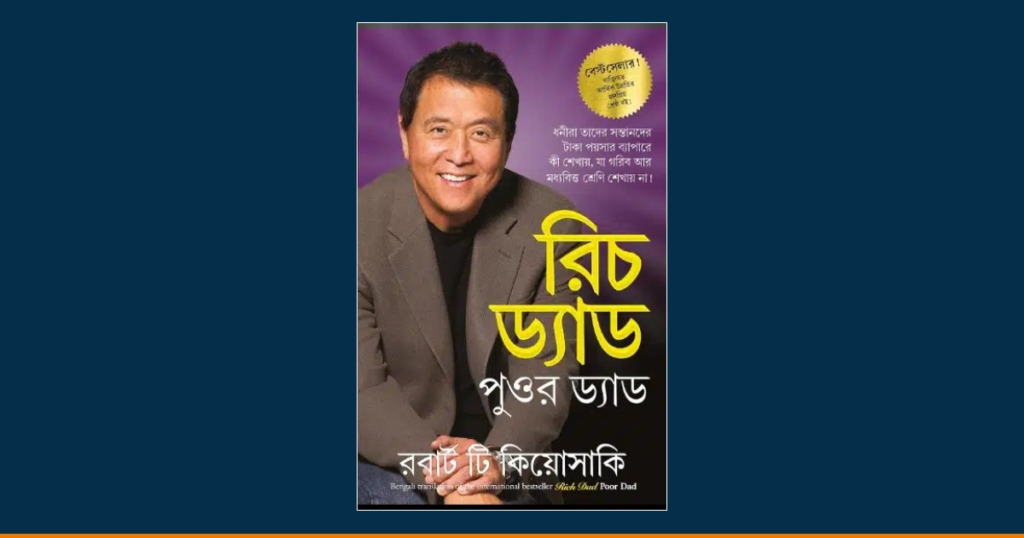
“Rich Dad Poor Dad” by Robert T. Kiyosaki has been a beacon for individuals looking to understand wealth-building principles since its publication. It juxtaposes the financial philosophies and practices of two influential figures in Kiyosaki’s life: his biological father (Poor Dad) and the father of his childhood best friend (Rich Dad). Through their contrasting approaches to money, career, and life, Kiyosaki paints a compelling picture of the mindset and habits needed to achieve financial independence.
A standout theme is the differentiation between assets and liabilities. Kiyosaki emphasizes that acquiring assets, which put money in one’s pocket, is key to generating wealth, while liabilities continuously drain one’s resources. This fundamental understanding challenges the traditional notion of considering items like one’s primary residence as an asset, urging readers to critically evaluate their spending habits.
However, even if one approaches the book with a pinch of skepticism, there’s no denying the transformative power of its core message. “Rich Dad Poor Dad” encourages financial education, entrepreneurial spirit, and the pursuit of investments over traditional employment. For many, it serves as an awakening to the possibilities of financial freedom and a prompt to question deeply held societal beliefs about money.
“Rich Dad Poor Dad” offers readers a foundational understanding of wealth creation, emphasizing mindset over specific tactics. While not a step-by-step guide, it has introduced countless individuals to the world of financial literacy and entrepreneurship, making it a must-read for those embarking on a journey to fiscal independence. For sure it deserve a spot in my list of the best self development books.
Who moved my cheese?
“Who Moved My Cheese?” by Dr. Spencer Johnson is a motivational business fable that delves into the ways we deal with change in our lives. With its allegorical tale of mice and “little people” in a maze searching for cheese (symbolizing our desires or goals), the book offers a concise and memorable narrative about adaptability, courage, and the inevitability of change.
Dr. Johnson’s genius lies in the simplicity of his storytelling. By crafting a tale that can be read in one sitting, he ensures that its core messages are not lost in complex jargon or superfluous details. The allegory, while straightforward, provides a mirror for readers to reflect on their reactions to changes in their personal and professional lives.
However, “Who Moved My Cheese?” is not without its critics. Some find the narrative too simplistic, arguing that real-world changes are multifaceted and cannot be navigated with mere positivity. Others feel the book tends to oversimplify the complexities of human emotion and resistance to change.
Dr. Spencer Johnson’s “Who Moved My Cheese?” is a timeless reminder of the transient nature of life’s circumstances. While it may not provide detailed strategies for handling change, its strength lies in prompting readers to question, reflect, and ultimately find their own path in the maze of life.
The Gifts of Imperfection
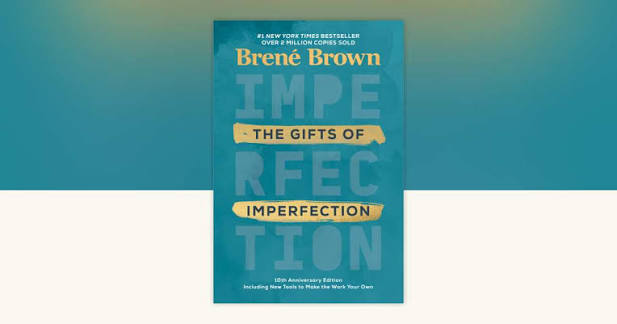
THE GIFTS OF IMPERFECTION
In “The Gifts of Imperfection,” Brené Brown presents readers with a compassionate guide to embracing their authentic selves. The book, a synthesis of a decade’s worth of research on shame, worthiness, and authenticity, is a clarion call to recognize and celebrate our vulnerabilities and imperfections.
Brown’s approach is both holistic and heartfelt, offering “10 Guideposts” to wholehearted living. These guideposts, ranging from cultivating intuition and trusting faith to letting go of exhaustion as a status symbol, are not mere self-help directives but deeply researched insights into human behavior and societal pressures.
“The Gifts of Imperfection” is a heartening journey of self-discovery and acceptance. Brown’s combination of rigorous research, personal vulnerability, and actionable advice makes it a valuable companion for anyone seeking to shed the weight of societal expectations and live with greater authenticity and purpose. It’s a celebration of the beauty in our flaws and the power of owning our stories.
How to Get the Most From Personal Growth Books
Reading a self-improvement book is only the first step. The real value comes from applying what you learn.
When you finish a chapter, don’t try to remember every single idea. Instead, ask yourself one simple question: “What can I actually use from this?”
If a book teaches you about building habits, try one new habit. If it talks about communication, practice listening more carefully during your next conversation. If it encourages you to set goals, write down one goal and take a practical step toward it.
You don’t need to change everything at once. One useful idea applied consistently can be much more valuable than reading ten books without putting anything into practice.
FAQ’S
1. Which personal growth book should I read first?
Start with a book that matches your current goal, such as habits, confidence, mindset, or productivity.
2. What is the best self-improvement book for beginners?
Atomic Habits is a simple and practical starting point for beginners.
3. Can self-improvement books really change your life?
They can inspire meaningful change when you consistently apply the lessons to daily life.
4. Which books are best for developing a positive mindset?
Books focused on mindset, gratitude, resilience, and personal responsibility can help build a healthier outlook.
5. What are the best books for building good habits?
Atomic Habits is widely recommended for understanding and developing lasting habits.

0 Comments