Pull on your favorite beat-up gardening gloves, step past the old wooden screen door, and pause for a long, quiet breath of crisp morning air. Listen closely to the world outside your window. You can probably hear the gentle wind rustling through the heavy canopy of oak leaves overhead, or the frantic, cheerful chatter of a local sparrow hunting for its breakfast bugs. There is something deeply grounding—almost sacred—about sinking your bare hands into dark, rich soil, sawing through a rough piece of cedar timber, and watching your backyard transform from a patchy, neglected rectangle of grass into a living, breathing sanctuary.
If your outdoor space currently feels a bit tired, flat, or totally uninspiring, take heart. You do not need to empty your bank account at an overpriced commercial nursery. You certainly do not need to hire a corporate landscape architect charging hundreds of dollars an hour to tell you where to put a bush.
Instead, let’s tap into some raw human grit, organic style, and old-school creativity. This guide walks you through the best DIY garden and outdoor crafts to make your outdoor space breathtaking in 2026, weaving natural elements, genuine human thought, and real craftsmanship into every single corner.
Why Crafting Your Outdoor Space Matters More Than Ever
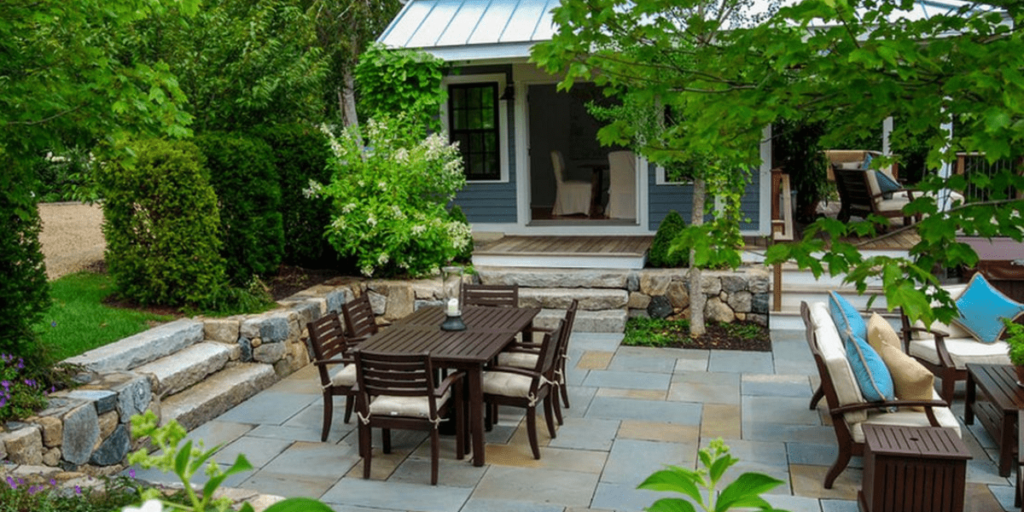
Before we drag out our toolboxes, soil scoops, and paintbrushes, let us take a moment to think deeply about why we crave green, open spaces in the first place. Modern life moves at a frantic, exhausting, digital blur. We stare at glowing glass screens for eight, ten, or twelve hours a day, our eyes burning while notification pings echo like tiny digital raindrops inside our skulls. Cultivating a garden or building outdoor crafts with your own two hands is our quiet, intentional rebellion against that endless technological noise.
Reconnecting with the Earth and Soil
When you construct a planter box out of salvaged cedar planks or arrange smooth, river-washed stones around a homemade fire pit, something shifts inside your brain. You are anchoring yourself to reality. You notice the rough, splintered grain of the timber, the heavy, earthy scent of fresh compost, and the way warm afternoon sunlight catches the rim of a handmade clay pot. This tactile, physical connection completely changes how you experience your property. It stops being just a legal plot of land behind your back door and becomes a living extension of your personal thoughts, patience, and sweat.
The Raw Beauty of Human Imperfection
Mass-produced outdoor decorations shipped from massive overseas warehouses usually look sterile, plastic, and profoundly lifeless. Handcrafted items, on the other hand, tell a rich, genuine story. They feature slight wobbles, uneven brushstrokes, weathered patinas, and charming imperfections that mirror nature itself. A slightly crooked birdhouse, a hand-poured concrete stepping stone with a stray cat’s paw print pressed into the edge, or a rustic trellis woven from fallen branches carries a soul that a factory assembly line can never replicate.
Upcycled Planters and Botanical Displays
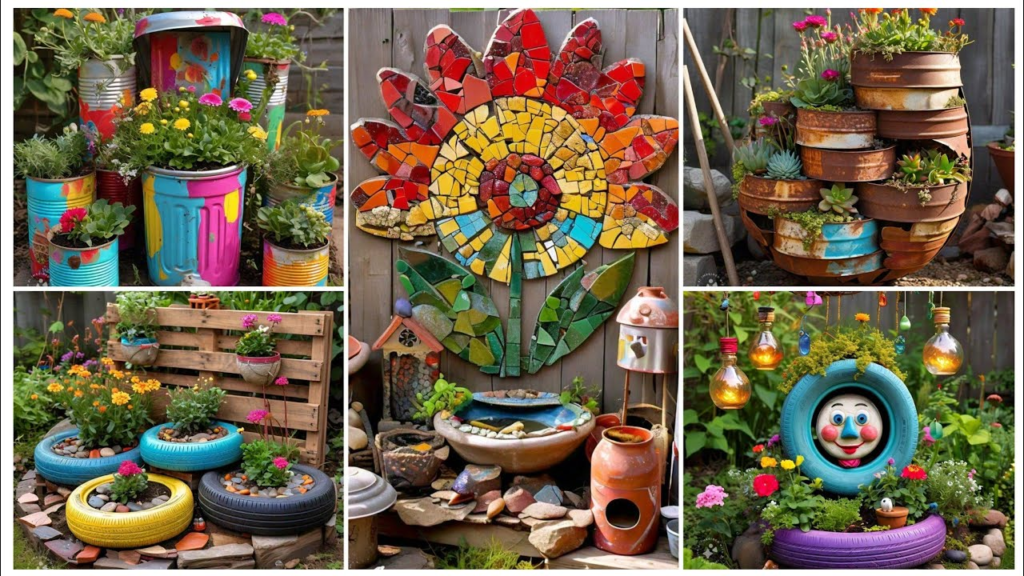
Plants breathe vibrant, pulsing life into an outdoor area, but standard plastic nursery pots can completely ruin the natural aesthetic. Giving old, overlooked household objects a second life as botanical homes is one of the most rewarding, earth-friendly crafts you can tackle this season.
Turning Salvaged Wood into Rustic Planter Boxes
Instead of letting scrap lumber sit in a damp, forgotten corner of your garage collecting dust and spiderwebs, turn it into a statement planter box for your kitchen herbs or cascading ivy vines.
- Source natural timber: Look for cedar, redwood, or weathered pine scraps that can handle outdoor moisture and seasonal rain without rotting immediately.
- Build with simple joints: You don’t need master carpentry skills or expensive woodworking machinery. Basic butt joints secured with weather-resistant outdoor screws work wonders.
- Line with breathable fabric: Drop a layer of porous landscaping fabric inside the box to hold the soil safely while letting excess rainwater drain naturally through small drilled holes at the bottom.
Giving Old Kitchenware a Second Bloom
Look around your kitchen cabinets or local thrift shops with a fresh, imaginative perspective. That dented metal colander, chipped ceramic teapot, or rusted vintage wheelbarrow makes an incredible, whimsical home for drought-tolerant succulents and trailing flowers.
- Drainage is crucial: Always ensure water has a clear path to escape so your plant roots do not drown during a heavy spring rainstorm.
- Play with height: Cluster different metal containers at varying heights on an old tree stump or wooden ladder to create a dynamic, eye-catching focal point.
Hollowed Log Planters for Woodland Charm
Take a walk through the woods after a heavy windstorm and look for fallen logs that have begun to weather gracefully.
- Select dense hardwood: Birch, oak, or cedar logs that are thick and sturdy work best for this project.
- Carve a shallow trough: Use a chisel and mallet to hollow out the top center of the log, creating a natural wooden trough.
- Plant moss and ferns: Fill the hollow with rich potting soil and tuck in shade-loving ferns, mosses, and colorful impatiens for a truly woodland feel.
Lighting the Night with Handcrafted Ambiance
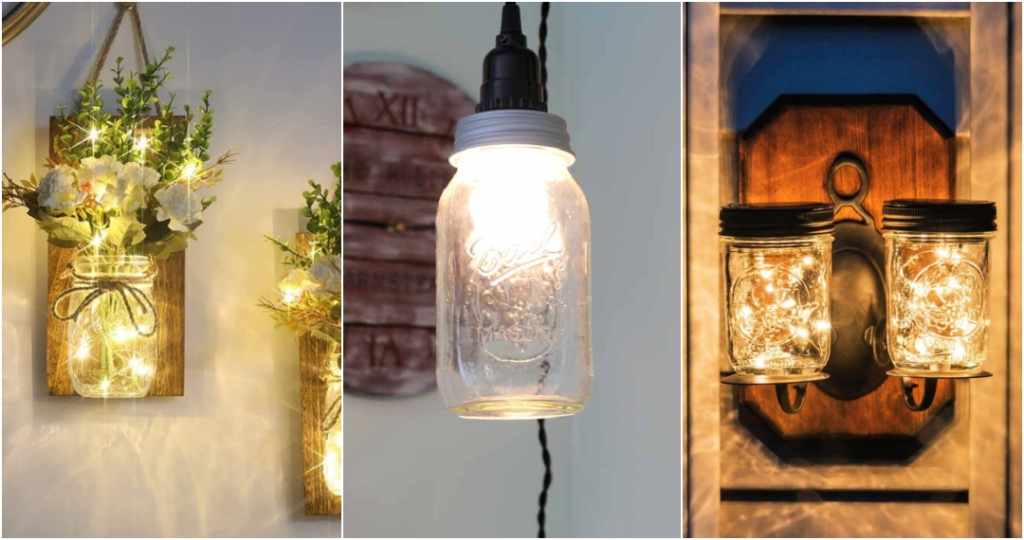
When the sun dips below the western tree line and dusk settles over the garden, your outdoor space shifts its mood entirely. Thoughtful, handmade lighting turns an ordinary backyard into an enchanted forest straight out of a storybook.
Mason Jar and Twine Solar Lanterns
You can easily craft glowing lanterns that capture the fading twilight and illuminate your garden paths long after dark.
- Wrap with natural cord: Take thick jute twine or hemp rope and wrap it tightly around the neck of clean glass mason jars, creating a secure, rustic handle for hanging.
- Insert solar puck lights: Pop cheap solar garden light tops into the jar lids, or drop warm fairy wire lights inside the glass.
- Hang from low-hanging tree branches: Let them sway gently in the evening breeze, casting soft, dancing shadows across your flower beds.
Upcycled Log Tea-Light Holders
Bring the heart of the forest right onto your patio dining table by crafting rustic candleholders from fallen tree branches.
- Find fallen timber: Collect a thick, sturdy branch of seasoned hardwood from your yard after a windy storm—never cut a living branch from a healthy tree.
- Drill shallow pockets: Use a spade drill bit to carve out circular holes just deep enough to snugly hold standard tea-light candles.
- Sand and seal: Smooth out any rough splintered edges, wipe away the sawdust, and seal the wood with a natural linseed oil finish to protect it from morning dew.
Terracotta Pot Luminaries
Stack and invert terracotta flower pots to create glowing pillar lights that line your garden pathways.
- Drill extra holes: Use a masonry bit to add decorative patterns of small holes around the sides of the pots.
- Stack securely: Place a battery-operated candle or LED puck light on the ground and place the inverted pot directly over it.
- Watch the pattern glow: At night, warm light will spill out through the patterned holes, casting magical shapes across your lawn.
- Creating Wildlife Sanctuaries and Water Features
Creating Wildlife Sanctuaries and Water Features
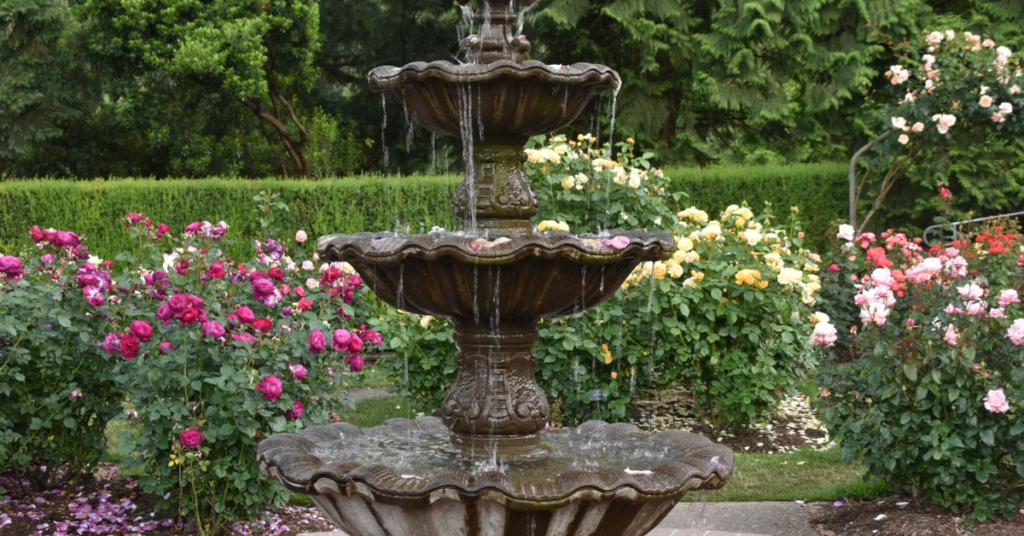
A truly beautiful, thriving garden is not just for human eyes; it is a buzzing, chirping ecosystem filled with birds, butterflies, and beneficial insects that keep nature balanced.
Building a Simple Cedar Birdhouse
Inviting feathered friends into your garden adds incredible movement, life, and morning music to your outdoor space.
- Keep it natural: Avoid toxic chemical paints or synthetic varnishes. Let the raw wood weather gracefully under the open sky.
- Size the entry hole right: Research the specific local birds in your region so you drill the correct diameter entry hole to protect them from larger predators.
- Mount securely: Attach your handcrafted house to a sturdy tree trunk or a tall wooden post well out of reach of neighborhood cats.
Miniature Birdbaths from Terra Cotta Saucers
Water brings life, motion, and gentle reflection to a quiet garden landscape.
- Stack flower pots: Invert a large terra-cotta pot as a stable base, and place a matching saucer bowl filled with fresh water on top.
- Add river stones: Place a few flat, smooth river stones in the center of the shallow water bowl so smaller bees and butterflies can land safely to drink without slipping.
DIY Bee Hotels for Pollinator Support
Support local solitary bees by building a cozy nesting hotel from natural materials.
- Bundle hollow reeds: Gather dried bamboo stems, hollow plant stalks, and pre-drilled blocks of untreated wood.
- Build a frame: Construct a small wooden box to house your bundles, protecting them from heavy rain.
- Place near flowers: Hang your bee hotel near flowering perennials so pollinators have easy access to food and shelter.
Pathways and Personal Touches
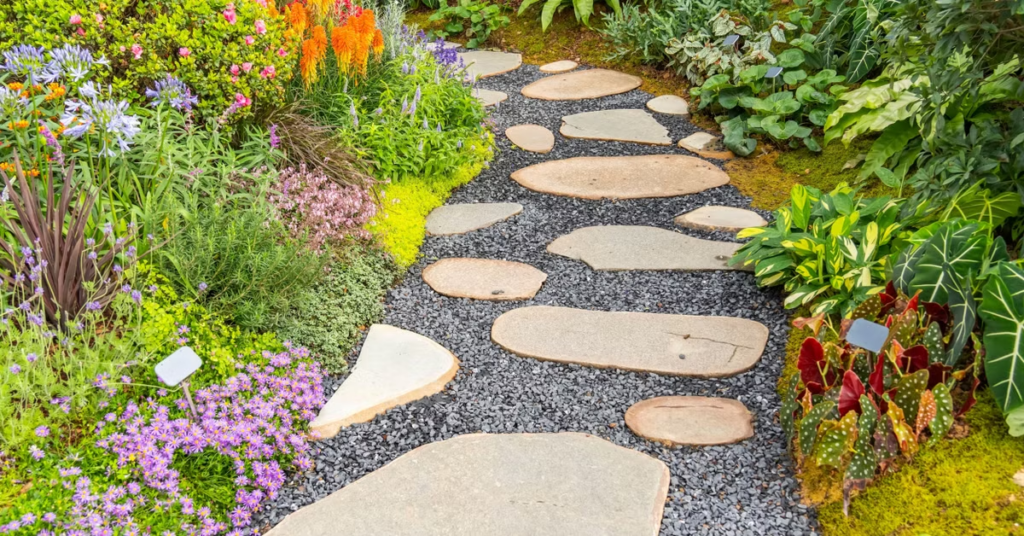
Guiding footsteps through your garden should feel like an intentional, peaceful journey rather than a rushed commute across the lawn.
Custom Concrete or Stone Stepping Stones
Leave a permanent, personal mark on your garden path by casting your own custom stepping stones.
- Mix and pour: Combine basic concrete mix in a simple wooden frame or old pizza box mold.
- Embed natural treasures: Press vintage glass marbles, fallen oak leaves, smooth river pebbles, or seashells into the wet surface before it sets.
- Cure slowly: Let the stone cure in a shaded, damp spot for a few days to ensure maximum strength and weather resistance.
Living Trellises and Willow Obelisks
Help climbing vines like sweet peas or morning glories reach for the sky by building natural plant supports.
- Gather flexible branches: Collect long, pliable willow or birch switches from seasonal pruning sessions.
- Weave an obelisk frame: Push the thick ends into the soil in a wide circle, bring the top tips together, and tie them securely with twine.
- Watch it blend: As your climbing plants wind their way up the wooden ribs, the structure will practically vanish into a tower of lush greenery and blossoms.
Painted Garden Marker Stones
Never lose track of your herbs and vegetables again by crafting hand-painted garden markers.
- Collect flat river rocks: Find smooth, flat stones washed clean by rain or river current.
- Use weather-proof paint: Paint cute illustrations or names of plants like basil, mint, and tomatoes using outdoor acrylic paints.
- Seal with clear coat: Give them a protective clear gloss spray so rain and sun exposure won’t fade your artwork.
Expanding Your Backyard Haven with Living Boundaries and Seating
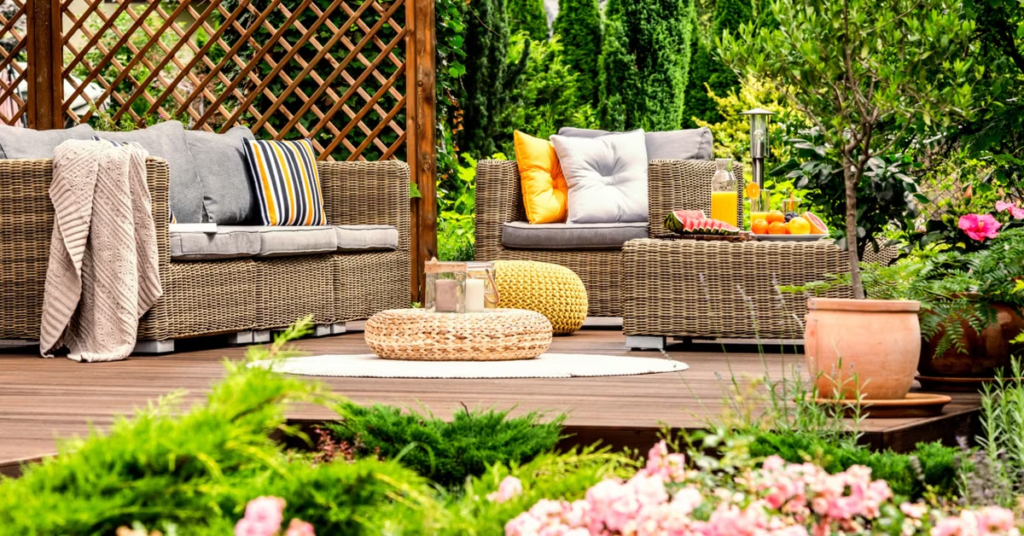
Creative DIY garden crafts and outdoor decor ideas for 2026
When you look deeper into what makes a backyard truly feel like an extension of your home, you realize it is all about boundaries and places to rest your bones. Instead of putting up harsh wire fences or buying synthetic plastic lawn chairs, let’s look at how natural, hand-built additions can tie your entire property together.
Constructing a Living Willow Fence or Privacy Screen
Constructing a Living Willow Fence or Privacy Screen
If you want to block out a nosy neighbor or create a secluded reading nook beneath the canopy of trees, a living hedge or woven fence is a magnificent weekend project.
- Plant live whips: Push fresh willow cuttings directly into damp soil in early spring. As they root, they will intertwine and sprout fresh green leaves.
- Weave diamond patterns: Bend the flexible green shoots across each other in a lattice pattern, tying them gently with biodegradable garden twine until they fuse naturally over time.
- Enjoy seasonal changes: Watch your privacy screen turn from bare winter branches into a dense wall of summer foliage full of birdsong.
FAQ’s
1. What are the best DIY garden crafts for 2026?
Planters, painted pots, garden signs, recycled decorations, and handmade outdoor ornaments are great choices.
2. How can DIY crafts make a garden more beautiful?
Creative DIY decorations can add personality, color, texture, and a welcoming feel to your outdoor space.
3. What are some easy DIY garden projects for beginners?
Painted flower pots, hanging planters, garden markers, simple wind chimes, and recycled container gardens are easy to start with.
4. Can I create DIY garden decorations on a budget?
Yes, you can reuse everyday materials such as jars, bottles, old wood, cans, and unused household items.
5. What materials are useful for outdoor DIY crafts?
Wood, clay pots, stones, recycled containers, rope, glass jars, and weather-resistant paint are useful materials.

0 Comments