Books have always played an important role in learning, entertainment, creativity, and personal growth. Yet despite knowing the benefits of reading, many people struggle to maintain a consistent reading habit. Life becomes busy, distractions increase, and reading slowly moves lower on the priority list. What often starts with excitement turns into unfinished books stacked on shelves or forgotten digital libraries.
Creating a reading habit that lasts is not about forcing yourself to read large numbers of books every year. Instead, it is about building a sustainable relationship with reading that fits naturally into daily life. The goal is not simply to read more books but to enjoy reading enough that it becomes a long-term habit rather than a temporary challenge.
Understanding Why Reading Habits Fail
Many people start reading with unrealistic expectations. They create ambitious goals, purchase multiple books at once, or try to copy the reading habits of others. While motivation may feel strong initially, these approaches often become difficult to maintain.
Reading habits usually fail because they rely too heavily on motivation instead of routine.
Motivation changes constantly. Some days people feel excited to read, while other days they do not. Habits survive because they depend less on emotions and more on consistency.
Understanding this difference is important because building long-term reading habits requires realistic expectations rather than perfect discipline.
Finding Books That Actually Interest You

One major reason people stop reading is simple: they choose books they do not enjoy.
Many readers force themselves to finish books because they feel obligated. Over time, reading starts feeling like work instead of enjoyment.
Creating lasting habits often begins by choosing books based on genuine curiosity rather than popularity.
Some readers enjoy fiction because stories create emotional connections. Others prefer history, business, psychology, science, biographies, or self-improvement.
There is no correct category.
The important part is discovering what naturally holds attention.
People who enjoy what they read rarely need external motivation to continue.
Starting Smaller Than Expected
A common mistake among new readers is setting goals that are too large.
Reading for an hour daily sounds impressive but may not fit realistically into busy schedules.
Small reading sessions are often more effective because they feel manageable.
Reading for ten or fifteen minutes consistently creates stronger habits than attempting large sessions that become difficult to maintain.
Small habits reduce resistance.
When something feels easy to begin, people are more likely to continue doing it.
Over time, small reading sessions naturally expand as reading becomes part of everyday routines.
Creating Space for Reading in Daily Life
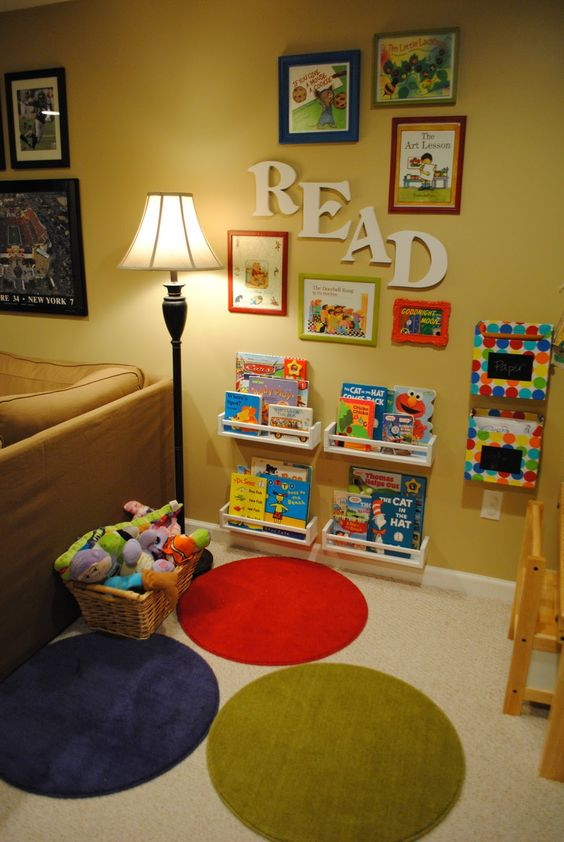

One challenge many people face is finding time.
In reality, reading habits rarely appear automatically. They usually require intentional scheduling.
Some readers prefer mornings because their minds feel fresh. Others enjoy reading before sleep because it creates relaxation. Some read during commutes or breaks throughout the day.
There is no universal solution.
The key is identifying moments that already exist within daily routines and attaching reading to them.
Reading becomes easier when it has a predictable place within the day.
Consistency matters more than perfect timing.
Reducing Distractions While Reading
Modern life creates constant competition for attention.
Phones, notifications, streaming platforms, social media, and multitasking make deep focus increasingly difficult.
Many people mistakenly believe they dislike reading when the real issue is interrupted concentration.
Creating better reading environments improves focus significantly.
Simple adjustments such as silent notifications, quieter spaces, or dedicated reading periods can dramatically improve reading experiences.
Reading requires attention.
Protecting that attention helps habits develop faster.
Physical Books Versus Digital Reading
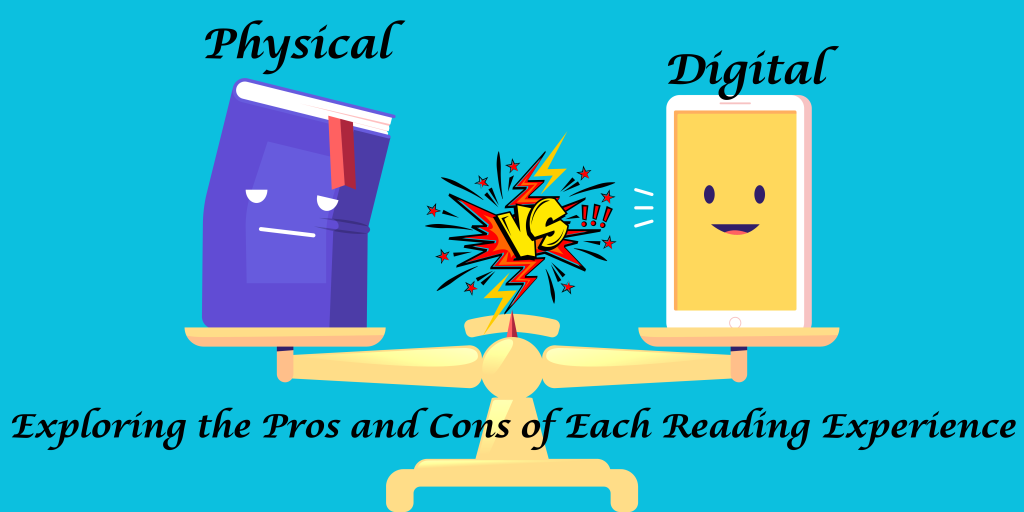
Readers often debate whether physical books or digital formats are better.
The answer depends entirely on personal preference.
Physical books create tactile experiences that many readers enjoy. They also reduce screen exposure and distractions.
Digital formats provide convenience because multiple books can be carried easily.
Audiobooks create additional flexibility because people can listen while commuting, exercising, or performing routine activities.
The best format is whichever encourages consistency.
Reading habits improve when people remove barriers rather than follow strict rules.
Learning to Read Without Pressure
Reading goals can be useful, but they sometimes create unnecessary pressure.
Some readers become obsessed with reading speed, book counts, or yearly targets.
This pressure often reduces enjoyment.
Reading is not a competition.
Some books require slower reading because ideas need reflection. Others move quickly because stories create momentum.
Allowing reading pace to vary naturally creates healthier relationships with books.
Progress matters more than speed.
Building a Personal Reading System
Strong reading habits often rely on systems rather than motivation alone.
Some readers maintain reading lists. Others track books they finish or keep notes about interesting ideas.
Creating simple systems makes reading easier because decisions require less effort.
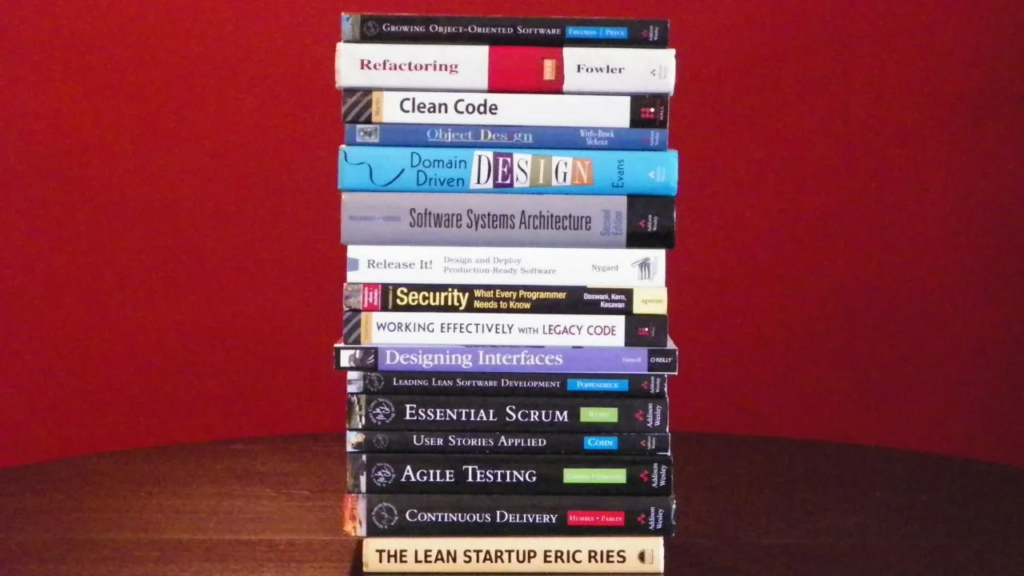
For example, choosing the next book before finishing the current one reduces interruptions between books.
Similarly, keeping books visible increases the likelihood of reading.
Systems create consistency because they reduce reliance on willpower.
Why Re-Reading Can Be Valuable
Many people believe every reading experience must involve something new.
However, revisiting books can provide different benefits.
Books often feel different depending on life experiences, knowledge levels, and personal circumstances.
Ideas that seemed unimportant years earlier may suddenly become meaningful.
Re-reading also strengthens understanding because familiar content allows deeper reflection.
Reading habits become more enjoyable when people remove unnecessary rules.
Reading as a Tool for Personal Growth
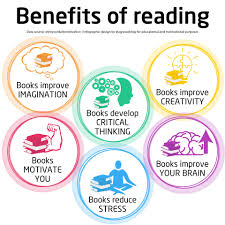
Books expose readers to experiences, ideas, cultures, perspectives, and knowledge that may otherwise remain inaccessible.
Reading regularly expands understanding because it introduces unfamiliar concepts and challenges existing assumptions.
This does not mean every book must teach life-changing lessons.
Even entertainment-focused reading contributes value through creativity, empathy, and imagination.
The purpose of reading is not always productivity.
Sometimes reading simply creates enjoyment.
That enjoyment itself creates long-term sustainability.
Making Reading Social
Reading often feels like a solitary activity, but social connections can strengthen habits.
Discussing books with friends, joining communities, or sharing recommendations increases engagement.
Conversations create accountability and excitement because readers become exposed to ideas they may not discover independently.
Even simple discussions about favorite books often renew interest.
Social interactions transform reading from isolated activity into shared experience.
Handling Reading Slumps
Almost every reader experiences periods where motivation disappears.
Reading slumps are normal.
Trying to force difficult books during these periods often makes things worse.
Sometimes switching genres, reading shorter books, or temporarily changing formats helps restore momentum.
The important part is avoiding the assumption that temporary breaks mean failure.
Long-term habits include periods of inconsistency.
Returning matters more than maintaining perfection.
Creating an Environment That Supports Reading
Environment influences behavior more than many people realize.
Books placed where they are visible naturally encourage reading.
Comfortable spaces make longer sessions easier.
Removing unnecessary obstacles increases consistency.
People often underestimate how much physical surroundings influence habits.
Small environmental changes frequently produce significant results.
FAQ’s
1. How can I build a daily reading habit?
Start with small reading sessions and stay consistent.
2. How much should I read every day?
Even 10–15 minutes daily can build a strong habit.
3. What type of books should I read?
Choose books that match your interests and curiosity.
4. Are audiobooks good for reading habits?
Yes, they can make reading more flexible and convenient.
5. What should I do if I stop reading regularly?
Start again with small goals and easier books.
- How to Invest in Mutual Funds in 2026: Beginner’s Guide
- DIY Navratri Rangoli Ideas 2026: Easy & Beautiful Designs for Home
- Latest Entertainment Trends 2026: Movies, Music, Streaming & More

- DIY Navratri Hair Clips: Beautiful Dandiya-Inspired Accessories to Make at Home

- Latest Travel Trends 2026: New Ways to Explore the World

- How to Improve Your Decision-Making Skills in Everyday Life




0 Comments