Markets change faster today than ever before. Consumer preferences shift, technology evolves, and businesses that once dominated industries sometimes struggle to stay relevant because they fail to recognize changing patterns. Trend crafting is not simply about following what is popular. It is about identifying movements early, understanding customer behavior, and transforming those insights into practical growth strategies.
Many businesses make the mistake of chasing every new trend that appears online. However, sustainable market growth comes from selecting trends that align with customer needs and business goals. Successful companies understand that trends are tools rather than shortcuts. They use them to create better experiences, improve products, and build stronger relationships with customers.
The connection between trend crafting and market growth is simple. Businesses that understand what people want today while preparing for what they may need tomorrow create stronger foundations for long-term success.
The Difference Between Following Trends and Creating Them
There is a major difference between copying market trends and crafting strategies around them. Following trends often means reacting after competitors have already established themselves. Trend crafting requires observation, analysis, and creativity.
Businesses that create effective growth strategies often spend time understanding customer pain points before developing solutions. Instead of asking, “What is popular right now?” they ask, “What problem is becoming more important for customers?”
Trend crafting involves identifying patterns that others overlook. It means noticing changing customer habits, technological shifts, purchasing behaviors, and emerging demands before they become obvious to everyone else.
When companies focus only on copying competitors, growth becomes temporary. When they build strategies around meaningful market changes, growth becomes more sustainable.
Why Market Growth Requires More Than Good Products
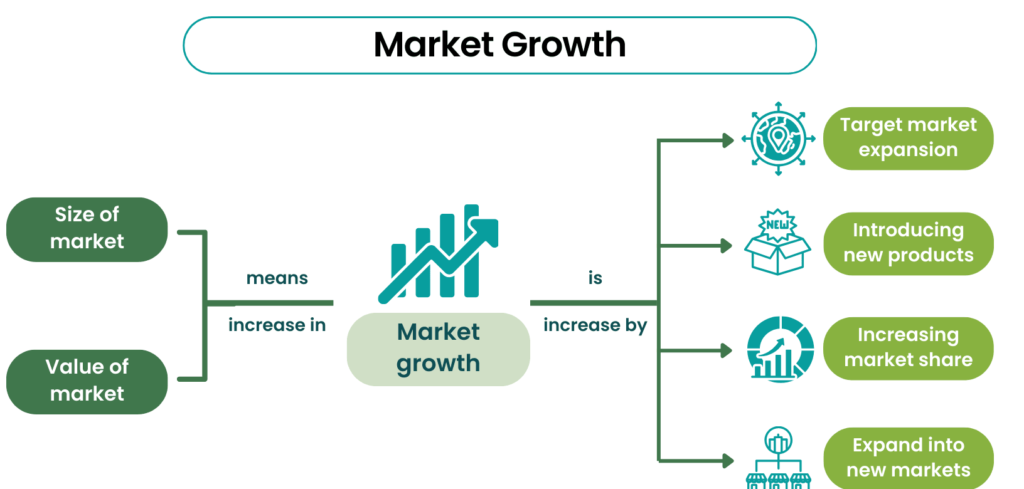
Many business owners believe that having a great product automatically leads to success. In reality, excellent products fail every year because they are introduced without proper market positioning or strategic planning.
Growth depends on visibility, timing, communication, and customer understanding. Even innovative products struggle if businesses fail to explain their value clearly or reach the right audience.
Market growth requires businesses to understand customer journeys. Buyers rarely make decisions instantly. They compare options, read reviews, gather information, and evaluate alternatives before purchasing.
Companies that understand these behaviors build strategies around customer decision-making processes rather than relying only on product quality.
This is where trend crafting becomes valuable. It helps businesses position their products within conversations customers are already having.
Building Strategies Around Consumer Behavior
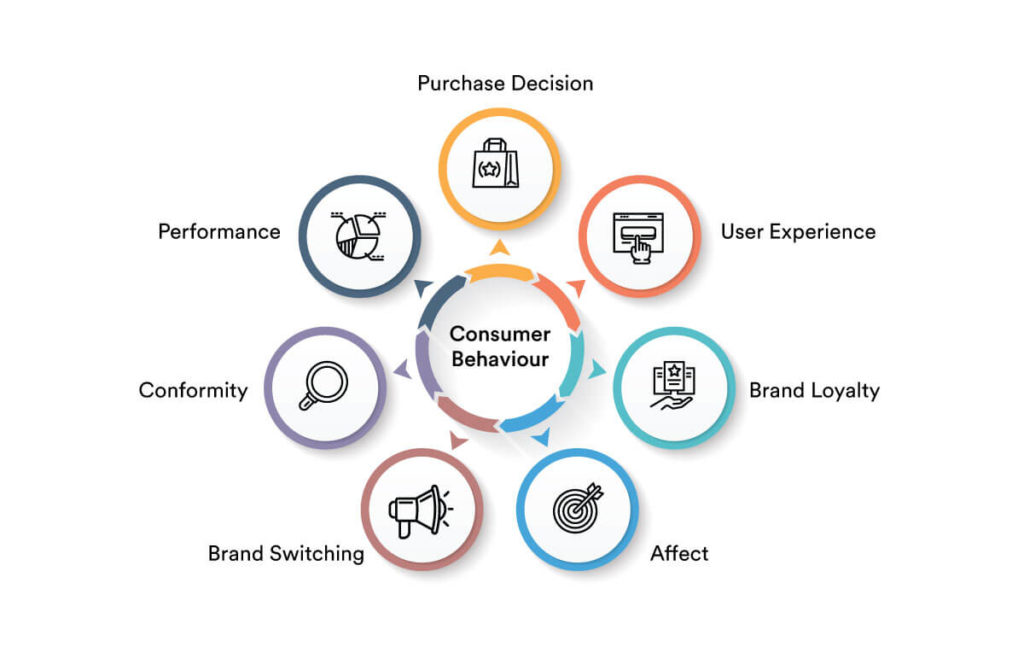
Consumer behavior constantly changes because lifestyles, economic conditions, and technology continue evolving. Businesses that ignore these shifts often experience slowing growth despite maintaining strong products.
Understanding behavior starts with observation. Businesses should monitor how customers search, buy, communicate, and interact with products. Small changes often reveal larger opportunities.
For example, shorter attention spans have changed how companies create content. Customers increasingly prefer faster communication, simplified experiences, and personalized interactions.
Businesses that recognize these patterns adjust their strategies accordingly.
Instead of forcing customers to adapt to outdated systems, successful companies redesign experiences around changing expectations.
Growth happens faster when businesses align with customer behavior rather than resisting it.
Creating Flexible Growth Strategies
One reason many growth strategies fail is because they are too rigid. Markets rarely remain stable for long periods. A strategy that works today may become less effective next year.
Flexible strategies allow businesses to adjust without completely rebuilding operations.
This does not mean changing direction constantly. Instead, it means creating systems that allow adaptation when necessary.
Businesses can improve flexibility by regularly reviewing performance data, monitoring customer feedback, and testing small improvements before making larger decisions.
Companies that remain adaptable often recover faster from unexpected market shifts because they are already accustomed to adjusting their strategies.
Growth strategies should provide direction without limiting future opportunities.
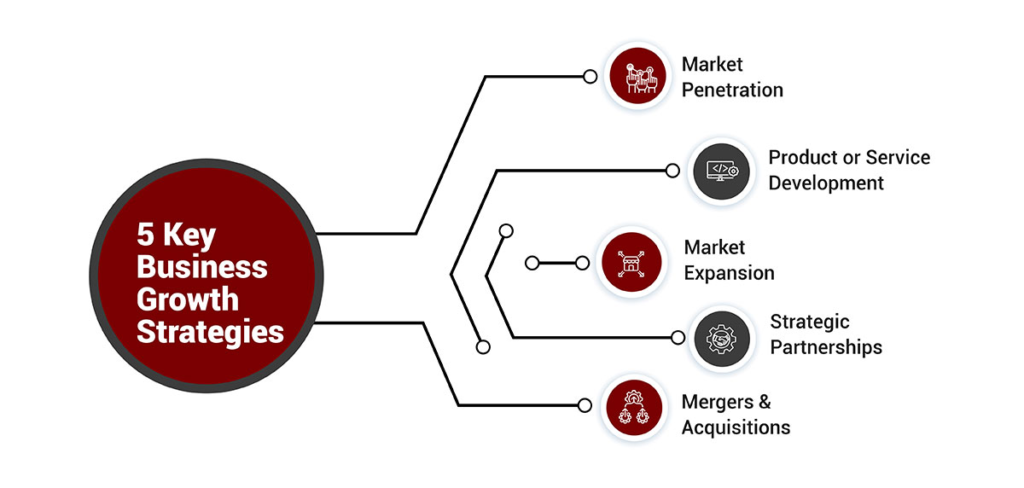
The Role of Data in Trend Crafting
Modern businesses have access to more information than ever before. Customer feedback, website analytics, sales patterns, social engagement, and purchasing behavior all provide valuable insights.
However, collecting data alone does not create growth.
The real advantage comes from interpreting information correctly.
Businesses often become overwhelmed because they track too many metrics without understanding which ones matter most.
Useful trend analysis focuses on patterns rather than isolated numbers.
For example, one month of increased sales may not indicate market growth. Consistent changes over longer periods often provide more meaningful insights.
Data becomes valuable when businesses use it to make practical decisions.
Companies that combine market observations with measurable information create stronger and more reliable strategies.
Building Brand Trust During Market Expansion
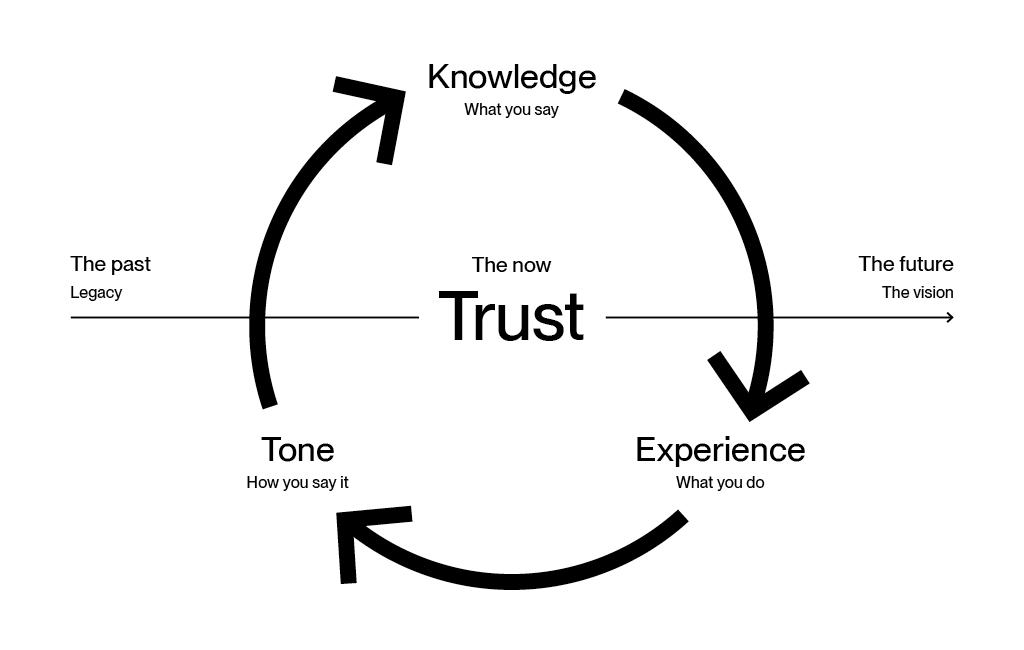
Growth creates opportunities, but it also creates challenges. As businesses expand, maintaining customer trust becomes increasingly important.
Customers often choose brands they trust even when competitors offer similar products.
Trust develops through consistency.
Businesses build stronger relationships when they deliver reliable experiences, communicate clearly, and maintain quality standards as they grow.
Trend crafting should never compromise brand identity.
Many businesses damage customer relationships by changing direction too frequently in pursuit of short-term popularity.
Successful growth strategies balance innovation with consistency.
Customers should recognize the brand even as products, services, and marketing evolve.
Innovation Without Losing Focus
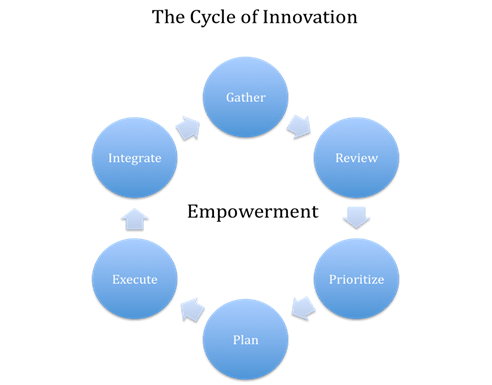
Innovation is often associated with constant change, but successful businesses innovate with purpose.
Adding unnecessary features, launching random products, or constantly changing marketing messages can confuse customers.
Trend crafting works best when innovation supports larger goals.
Businesses should evaluate whether new opportunities strengthen existing strengths or create distractions.
Sometimes the best growth strategy is improving current systems rather than expanding aggressively.
Innovation should create clearer customer value rather than unnecessary complexity.
Companies that remain focused often outperform competitors attempting to pursue every possible opportunity simultaneously.
Understanding Long-Term Market Positioning
Market growth becomes more sustainable when businesses think beyond short-term results.
Short-term growth strategies often focus heavily on immediate sales. Long-term positioning focuses on creating lasting advantages.
Businesses should ask important questions regularly.
Why should customers choose us?
What unique value do we provide?
How will market changes affect our position over time?
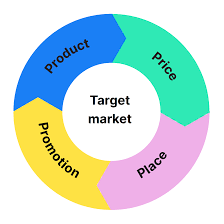
Answering these questions helps businesses build strategies that remain effective even as markets evolve.
Strong positioning allows businesses to maintain relevance during changing economic conditions, competitive shifts, and technological changes.
Growth becomes easier when businesses establish clear identities within their markets.
The Importance of Testing and Adjustment
No strategy works perfectly from the beginning.
Businesses often delay growth because they wait for perfect plans before taking action.
In reality, effective strategies usually improve through testing.
Small experiments reduce risk while providing valuable information.
Companies can test marketing messages, pricing structures, customer experiences, or product improvements before making larger investments.
Testing allows businesses to identify what works while minimizing costly mistakes.
The goal is not perfection.
The goal is continuous improvement.
Organizations that regularly evaluate results often build stronger growth systems over time because they learn faster than competitors.
Creating Sustainable Growth Instead of Temporary Success

Rapid growth often receives attention, but sustainable growth creates long-term success.
Businesses sometimes experience short-term increases that disappear quickly because growth strategies rely too heavily on temporary market conditions.
Sustainable growth focuses on building systems rather than chasing quick results.
This includes creating reliable customer acquisition processes, maintaining strong customer relationships, improving operational efficiency, and developing adaptable strategies.
Growth should strengthen businesses rather than create instability.
Companies that prioritize sustainable expansion often experience fewer disruptions during changing market conditions.
The most effective strategies are usually not the most complicated.
They are often the most consistent.
Conclusion
Trend crafting and market growth are closely connected because both depend on understanding change. Businesses that identify meaningful trends, study customer behavior, remain flexible, and focus on long-term value create stronger foundations for growth.
Successful strategies rarely happen by accident.
They are built through observation, testing, adaptation, and consistency.
Markets will continue changing, customer expectations will continue evolving, and competition will remain strong.
Businesses that learn how to transform trends into practical strategies position themselves for growth that lasts far beyond temporary market opportunities.
FAQ’s
1. What is trend crafting in business?
Trend crafting means identifying market changes and creating strategies based on customer behavior and industry shifts.
2. Why is market growth important for businesses?
Market growth helps businesses increase revenue, expand customer reach, and improve long-term stability.
3. How can businesses identify market trends?
Businesses can analyze customer behavior, industry data, competitor activity, and consumer preferences.
4. What makes a growth strategy successful?
A successful growth strategy focuses on customer needs, flexibility, data analysis, and consistent improvement.
5. Why do some trend-based strategies fail?
Many fail because businesses follow temporary trends without aligning them with customer demands or long-term goals.
- How to Invest in Mutual Funds in 2026: Beginner’s GuideIf you’ve ever opened a mutual fund app and wondered, “Which fund am I actually supposed to choose?”, you’re definitely not alone. There are hundreds of mutual funds available, countless opinions online, and plenty of Read more
- DIY Navratri Rangoli Ideas 2026: Easy & Beautiful Designs for HomeThe first thing that usually happens when Navratri is around the corner is that the house starts getting a little more attention. Curtains are washed, corners are cleaned, flowers Rangoli are bought, and the decorations Read more
- Latest Entertainment Trends 2026: Movies, Music, Streaming & More
 Entertainment doesn’t feel quite the same anymore. There was a time when Friday night meant going to the cinema, Saturday afternoon meant watching television, and music mostly came through albums, radio, or whatever songs you Read more
 - DIY Navratri Hair Clips: Beautiful Dandiya-Inspired Accessories to Make at Home
 Navratri is the kind of festival that makes you want to dress up, even when you weren’t planning to. A colorful outfit, a little jewellery, some mehndi, and your favorite hairstyle can completely change your Read more
 - Latest Travel Trends 2026: New Ways to Explore the World
 A few years ago, a good holiday might have meant visiting as many famous Travel places as possible, taking hundreds of photographs, and coming home with a suitcase full of souvenirs. Today, many travelers are Read more
 - How to Improve Your Decision-Making Skills in Everyday Life
 We make thousands of choices every single day. Through the intricate lens of daily decision-making, from the moment your morning alarm buzzes, your brain is quietly working overtime. Do you hit snooze or jump straight Read more



0 Comments