Personal growth and self-improvement have become popular topics because people constantly search for ways to improve their lives, careers, relationships, and overall happiness. However, many people struggle because they focus on complicated systems, unrealistic goals, or temporary motivation instead of sustainable habits. Real personal growth does not happen overnight. It is usually the result of small actions repeated consistently over time.
Self-improvement is not about becoming perfect. It is about becoming better than you were yesterday. People who experience meaningful growth understand that success comes from discipline, awareness, learning, and patience. The strategies that actually work are often simple, practical, and easy to apply in daily life.
This article explores practical personal growth strategies that create real change and help individuals build stronger habits, healthier mindsets, and better lifestyles.
Understanding Why Personal Growth Matters
Personal growth affects nearly every area of life. When people invest time in improving themselves, they often experience better confidence, stronger relationships, increased productivity, and improved mental well-being.
Growth also allows individuals to adapt more easily to challenges. Life constantly changes, and people who focus on self-improvement develop resilience that helps them navigate difficult situations.
Many people believe personal development only means career advancement or financial success. In reality, growth includes emotional intelligence, physical health, communication skills, mindset development, and learning how to manage life more effectively.
Building Small Habits Instead of Chasing Big Changes
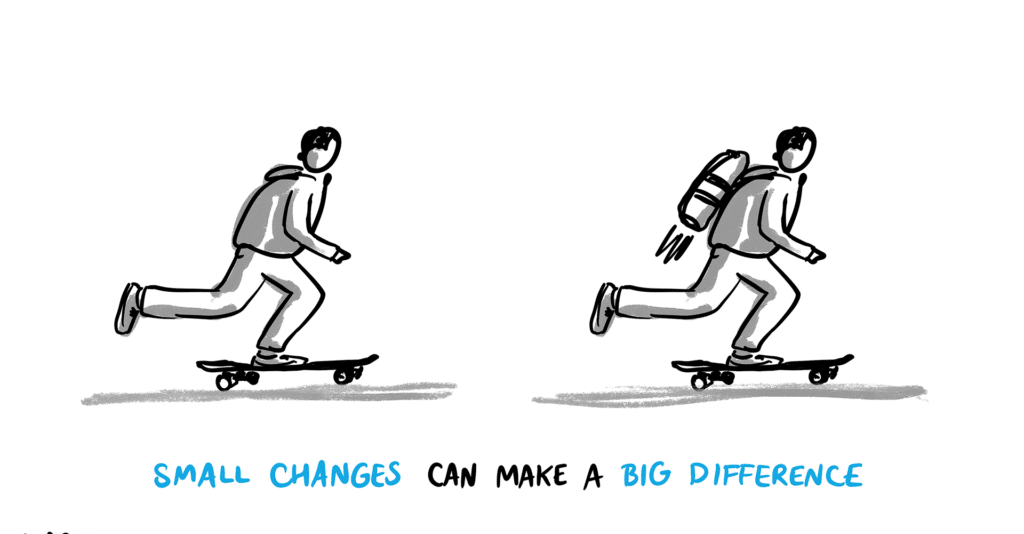
One of the biggest mistakes people make is trying to transform their entire life at once. Large changes often create excitement initially but become difficult to maintain.
Small habits are more effective because they require less effort and create consistency. Reading ten pages daily, exercising for fifteen minutes, or spending five minutes planning the day may seem insignificant, but these actions create momentum.
Consistency is more important than intensity. A person who practices small habits regularly often achieves greater results than someone who relies only on occasional bursts of motivation.
The key is making habits easy enough that they become part of daily routines rather than temporary projects.
Developing Self-Awareness
Self-awareness is one of the most powerful tools for improvement because growth begins with understanding yourself.
People often repeat behaviors without realizing how those behaviors affect their progress. Taking time to evaluate strengths, weaknesses, habits, and emotional reactions creates opportunities for change.
Reflection can happen through journaling, quiet thinking, or simply asking important questions such as:
What habits are helping me?
What habits are hurting me?
What situations trigger negative behaviors?
What skills should I improve?
Understanding these answers helps individuals make better decisions and focus energy where it matters most.
Creating Clear and Realistic Goals

Goals provide direction. Without clear goals, improvement becomes random and inconsistent.
Many people fail because their goals are too broad. Saying “I want to be successful” or “I want to improve myself” creates confusion because success means different things to different people.
Clear goals create measurable progress. Instead of saying “I want to get healthier,” creating a goal like “walk thirty minutes five days a week” provides clarity.
Realistic goals also reduce frustration. Progress becomes easier when goals challenge you without becoming overwhelming.
Breaking large goals into smaller milestones makes growth feel achievable and keeps motivation stronger over time.
Learning How to Manage Time Better
Time management is closely connected to personal growth because improvement requires consistent effort.
Many people believe they lack time when they actually struggle with priorities. Social media, unnecessary distractions, and poor planning often consume hours without notice.
Creating simple routines can dramatically improve productivity. Planning important tasks before starting the day helps reduce decision fatigue and increases focus.
Time management does not mean filling every minute with work. It means intentionally deciding how time should be used.
People who control their schedules usually make more progress because they create space for learning, health, relationships, and personal development.
Improving Physical Health to Support Mental Growth
Personal growth is difficult when physical health is ignored.
Energy levels, concentration, emotional stability, and motivation are strongly connected to sleep, nutrition, exercise, and recovery.
Regular movement improves mood and reduces stress. Proper sleep improves memory and decision-making. Healthy eating supports concentration and long-term energy.
Many people separate mental improvement from physical well-being, but the two are deeply connected.
Improving physical health creates a stronger foundation for productivity, confidence, and emotional resilience.
Learning Continuously
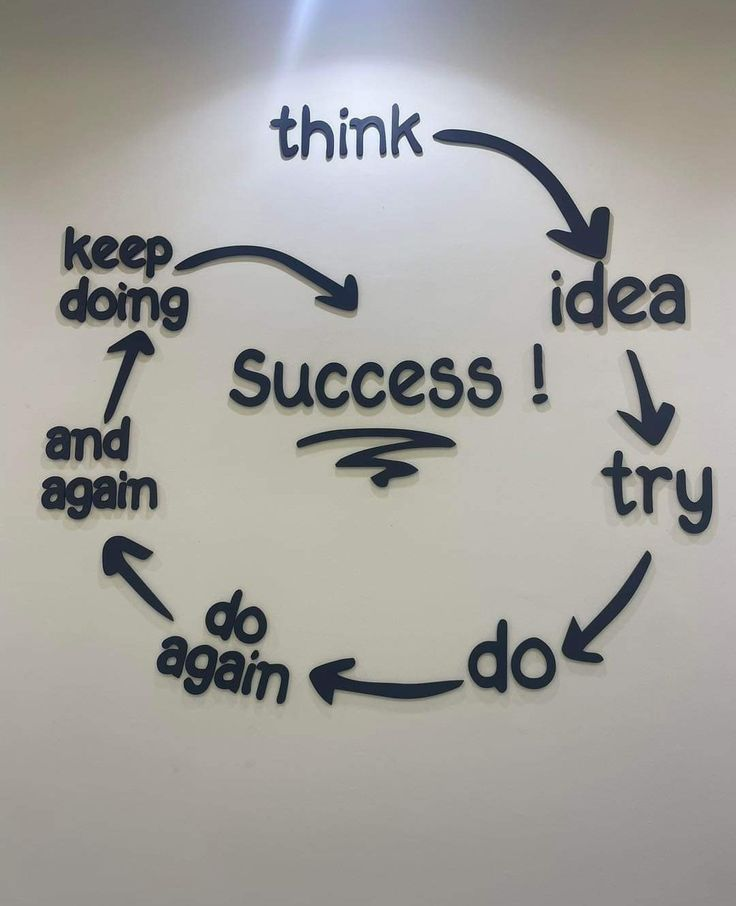
People who continue learning often experience faster growth because they constantly expose themselves to new ideas and perspectives.
Learning does not always require formal education. Books, podcasts, online resources, conversations, and practical experiences all contribute to development.
The goal is not simply collecting information but applying knowledge consistently.
Learning becomes valuable when it creates behavioral change.
Successful individuals often maintain curiosity because curiosity encourages experimentation, creativity, and adaptation.
Developing a learning mindset helps people remain competitive and flexible in rapidly changing environments.
Managing Negative Thinking
Negative thinking can become one of the largest obstacles to self-improvement.
Many people create limitations through internal conversations that reinforce fear, self-doubt, or insecurity.
Thoughts such as “I am not good enough” or “I always fail” influence behavior more than people realize.
Managing negative thinking does not mean pretending problems do not exist. It means learning to challenge unhelpful thoughts and replace them with more balanced perspectives.
Developing awareness around internal dialogue helps reduce self-sabotage and increases confidence.
Positive thinking alone is not enough, but realistic and constructive thinking creates better outcomes.
Building Discipline Instead of Relying on Motivation
Motivation feels powerful, but it is unreliable.
Some days people feel energetic and excited. Other days they feel tired and distracted. Relying entirely on motivation creates inconsistency.
Discipline creates progress because it encourages action regardless of emotional state.
Building discipline often means creating systems that reduce decision-making.
Simple systems like exercising at the same time daily, preparing tasks beforehand, or creating structured routines make consistency easier.
People who develop discipline usually achieve more because they continue moving forward even when motivation disappears.
Surrounding Yourself with Positive Influences
Environment plays a major role in shaping behaviors.
The people around us influence beliefs, habits, expectations, and attitudes.
Supportive environments encourage growth because they create accountability and motivation.
This does not mean avoiding everyone who thinks differently. It means being intentional about spending time with individuals who encourage improvement rather than constant negativity.
Positive influences also include books, media, online communities, and educational content.
Creating an environment that supports growth makes good decisions easier.
Accepting That Growth Takes Time
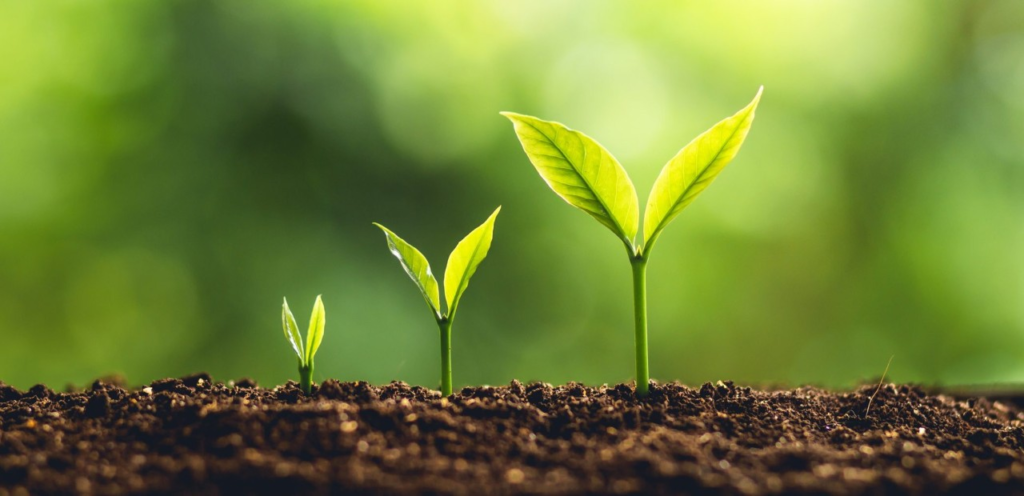
One reason many people quit self-improvement is because progress feels slow.
Real growth rarely happens quickly.
Learning new skills, changing habits, improving confidence, or building discipline requires repetition and patience.
Comparing yourself constantly to others creates unnecessary frustration.
Progress should be measured against previous versions of yourself rather than external standards.
Understanding that growth is gradual helps people remain consistent during difficult periods.
Conclusion
Personal growth and self-improvement strategies work when they are practical, sustainable, and consistently applied. Small habits, self-awareness, clear goals, discipline, continuous learning, and healthy routines create long-term change more effectively than quick solutions.
Improvement is not about transforming into someone completely different. It is about gradually building better habits, stronger thinking patterns, and healthier behaviors.
The people who experience lasting growth are usually not the most talented or naturally motivated. They are often the individuals who continue improving one small step at a time.
Personal growth is a lifelong process, and the most important step is simply continuing forward.
FAQ’s
1. What is personal growth?
Personal growth is the process of improving your skills, mindset, habits, and overall quality of life.
2. Why is self-improvement important?
It helps increase confidence, productivity, happiness, and personal success.
3. What is the best way to start self-improvement?
Start with small daily habits and focus on consistency rather than perfection.
4. How long does personal growth take?
Personal growth is ongoing and results appear gradually with regular effort.
5. Can small habits really create big changes?
Yes, small habits repeated consistently often lead to long-term success.
- How to Invest in Mutual Funds in 2026: Beginner’s Guide
- DIY Navratri Rangoli Ideas 2026: Easy & Beautiful Designs for Home
- Latest Entertainment Trends 2026: Movies, Music, Streaming & More

- DIY Navratri Hair Clips: Beautiful Dandiya-Inspired Accessories to Make at Home

- Latest Travel Trends 2026: New Ways to Explore the World

- How to Improve Your Decision-Making Skills in Everyday Life




0 Comments