The way people consume information has changed dramatically over the last decade. Traditional printed books are no longer the only option for readers and learners. Audiobooks have become increasingly popular because they allow people to enjoy stories, learn new skills, and absorb information while driving, exercising, cooking, or relaxing. At the same time, millions of readers still prefer physical books or eBooks because they enjoy the focus, imagination, and deeper connection that reading provides.
The debate between books and audiobooks is not really about which format is universally better. The real question is which format works best for your learning style, lifestyle, and personal goals. Some people learn more effectively by reading text, while others retain information better through listening. Understanding the strengths and limitations of both formats can help you make the right choice for your education, productivity, and entertainment.
Understanding Different Learning Styles
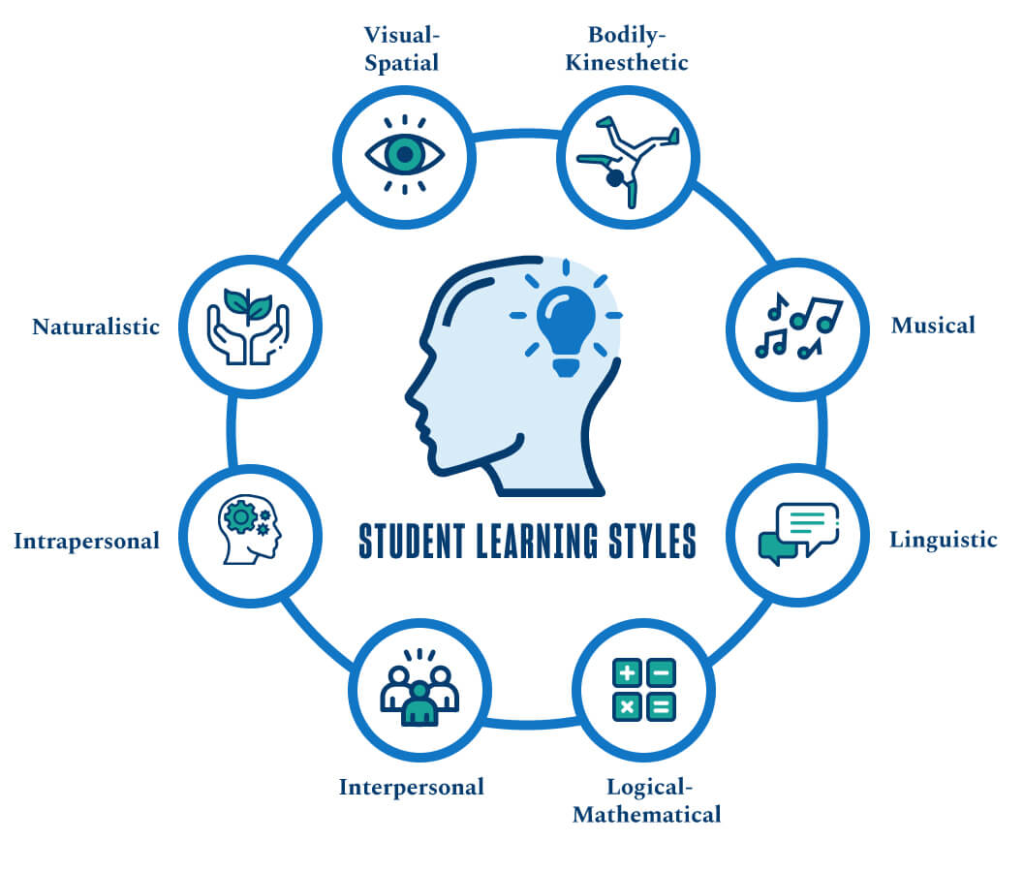
Every person processes information differently. Some learners are visual and absorb knowledge best by seeing words on a page. Others are auditory learners who understand concepts more clearly when they hear them explained aloud. There are also people who learn through interaction, note-taking, repetition, or practical experience.
Books and audiobooks appeal to different types of learners. Printed books often support concentration and active reading, while audiobooks offer flexibility and accessibility. Knowing your own habits can help you choose the format that improves both comprehension and enjoyment.
For example, if you often highlight important points, reread paragraphs, or take notes while studying, physical books may suit you better. On the other hand, if you remember information more easily through conversations, podcasts, or lectures, audiobooks may feel more natural and engaging.
Why Many People Still Prefer Physical Books

Traditional books continue to have a strong place in education and personal development. Reading text on a page requires active focus, which can improve concentration and memory retention. When people read slowly and carefully, they are more likely to absorb details and fully understand complex topics.
Books also reduce distractions. Unlike smartphones or audio apps, printed books create a dedicated reading environment. Many readers enjoy the quiet experience of sitting with a book because it encourages deeper thinking and reflection.
Another major advantage of books is the ability to interact with the content. Readers can underline sentences, add notes in the margins, bookmark pages, and quickly revisit important sections. This is especially useful for students, researchers, and professionals who need to study information carefully.
Physical books can also improve vocabulary and reading comprehension. Seeing words written down helps readers understand spelling, sentence structure, and grammar more effectively. This is one reason why schools still rely heavily on reading-based learning.
Many people also value the emotional experience of reading a real book. The feel of the pages, the smell of paper, and the satisfaction of turning pages create a connection that digital formats sometimes cannot replace.
The Growing Popularity of Audiobooks
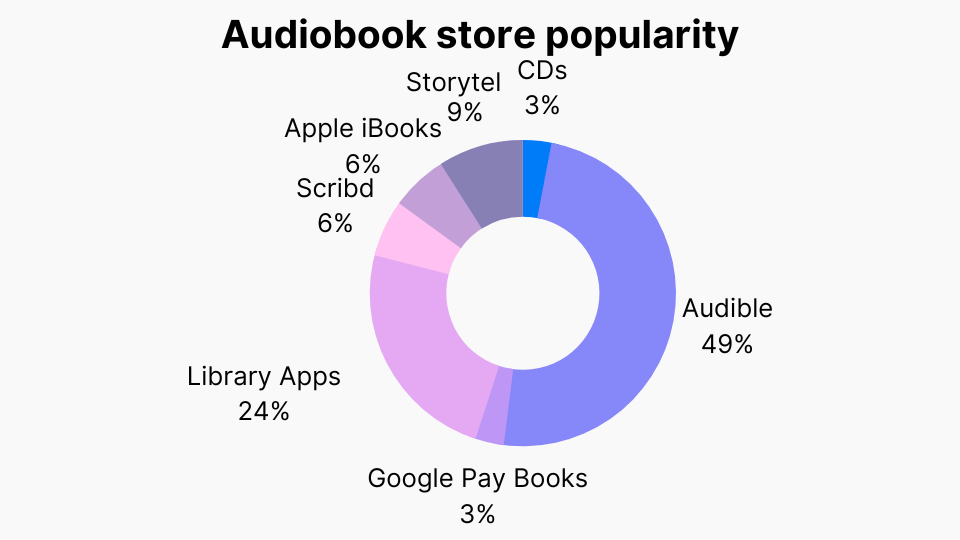
Audiobooks have transformed the way people consume content. In today’s busy world, many individuals struggle to find time to sit down and read for long periods. Audiobooks solve this problem by allowing people to learn while multitasking.
One of the biggest benefits of audiobooks is convenience. People can listen while commuting, cleaning the house, exercising, or traveling. This makes it easier to fit learning into a busy schedule without sacrificing other responsibilities.
Audiobooks can also improve accessibility. People with visual impairments, reading difficulties, or learning disorders may find audio content easier to understand and enjoy. For some individuals with dyslexia, listening to books removes the stress associated with reading large amounts of text.
Narration is another reason why audiobooks are so appealing. A skilled narrator can bring characters, emotions, and stories to life in a powerful way. Fiction books often feel more immersive when performed by talented voice actors who add personality and emotion to the experience.
Audiobooks can also help with pronunciation and listening skills, especially for language learners. Hearing words spoken correctly improves understanding and communication abilities.
Which Format Improves Learning Better?
Research on books versus audiobooks has produced mixed results. In many cases, comprehension levels are similar between reading and listening, especially when the listener is fully focused. However, the effectiveness often depends on the type of material being consumed.
For complex educational topics, traditional reading usually provides better results. Textbooks, scientific articles, business strategies, and technical subjects often require slow reading, rereading, and note-taking. Readers can pause to think about difficult concepts and process information at their own pace.
Audiobooks are often more effective for storytelling, self-improvement, biographies, and casual learning. These topics can be absorbed naturally through listening because they rely more on flow and understanding rather than detailed analysis.
Attention also plays a major role. People sometimes listen to audiobooks while doing other tasks, which can reduce focus and retention. If your mind is divided between driving, working out, and listening, you may miss important details. Reading a physical book generally demands more concentration, which can strengthen comprehension.
That said, some people genuinely learn better through listening. Podcasts, lectures, and spoken explanations may feel more engaging and easier to remember than written text. In those cases, audiobooks can become a highly effective learning tool.
The Impact on Memory and Retention
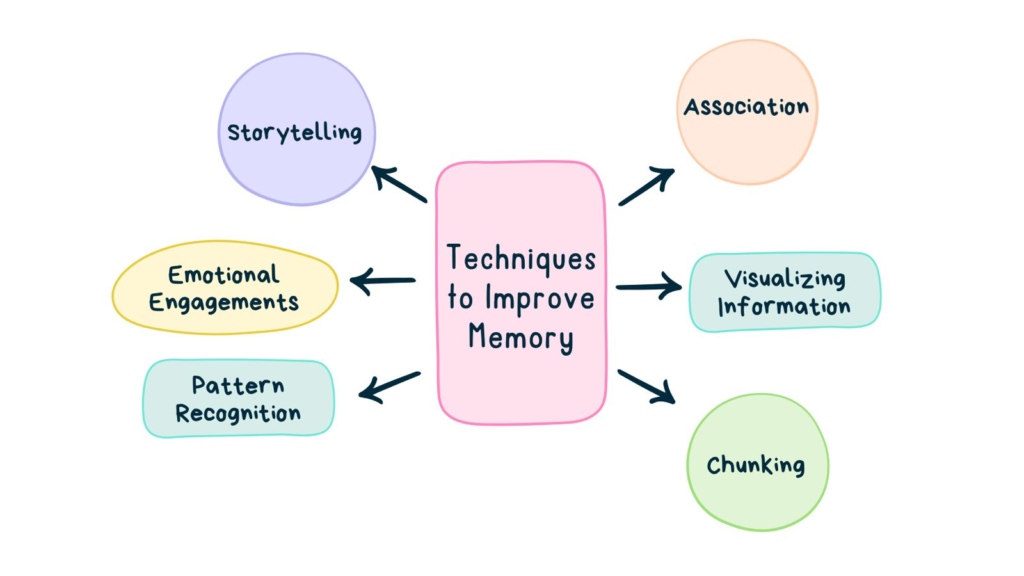
Memory retention varies from person to person. Readers often remember visual details such as page layout, chapter structure, or highlighted sections. These visual memory cues can make it easier to recall information later.
Audiobook listeners, however, may remember tone, emotion, and spoken emphasis more clearly. Hearing a narrator’s voice can strengthen emotional connections to the material, especially in storytelling or motivational content.
Studies suggest that active engagement is more important than format alone. Someone who reads carefully and takes notes will likely remember more than someone passively listening in the background. Similarly, a focused audiobook listener who pauses to reflect may retain information just as effectively as a traditional reader.
The best approach for many learners is combining both methods. Reading while listening to the audiobook version can improve understanding, pronunciation, and memory at the same time.
Books vs. Audiobooks for Students

Students often benefit more from printed books or eBooks when studying academic subjects. Reading encourages slower processing, critical thinking, and detailed analysis. Highlighting and annotation also help students prepare for exams and assignments.
However, audiobooks can still be valuable for students in certain situations. Listening to assigned novels can make literature more engaging, especially for reluctant readers. Audiobooks can also help students review material during travel or breaks.
Some students use audiobooks as a supplement rather than a replacement. For example, they may listen to a chapter first and then read it later for deeper understanding. This combination can improve both comprehension and efficiency.
The Role of Technology in Modern Learning
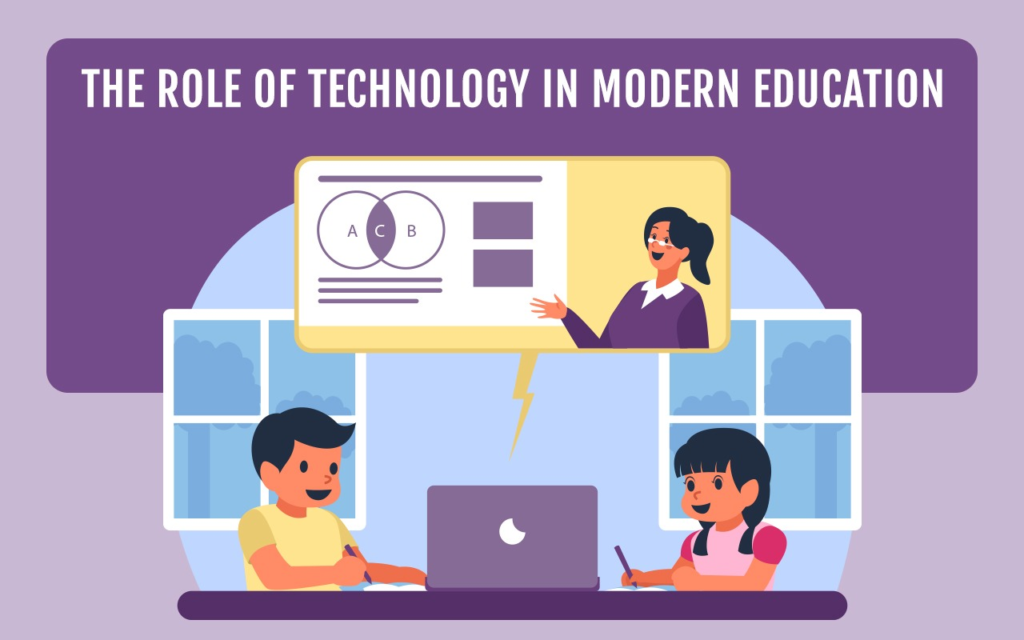
Technology has made both reading and listening more accessible than ever before. Smartphones, tablets, and eReaders allow people to carry entire libraries wherever they go. Audiobook apps have also introduced features like adjustable playback speed, bookmarks, sleep timers, and offline listening.
These innovations have changed reading habits worldwide. Younger generations are increasingly comfortable switching between formats depending on their schedule and goals. Someone might listen to an audiobook during a morning commute and read a physical book before bed.
The rise of digital learning does not mean traditional books are disappearing. Instead, people are learning to use multiple formats together to maximize convenience and effectiveness.
How to Choose the Right Format for You
Choosing between books and audiobooks depends on your lifestyle, goals, and learning preferences. If you enjoy quiet focus, deep analysis, and active note-taking, traditional reading may be the better option. If your schedule is busy and you prefer learning through listening, audiobooks can help you consume more information consistently.
You should also consider the type of content. Educational or technical subjects often work better in written form, while storytelling and motivational content can feel more engaging through audio narration.
Experimenting with both formats is the best way to discover what suits you. Some people switch depending on the situation, while others strongly prefer one method over the other.
Conclusion
The debate between books and audiobooks does not have a single correct answer. Both formats offer unique advantages, and each serves different learning styles and lifestyles. Traditional books encourage deep focus, stronger analytical thinking, and active engagement with the text. Audiobooks provide flexibility, accessibility, and convenience for modern life.
Rather than viewing one format as superior, it is more useful to think about how each can support your personal learning journey. The best choice is the one that helps you stay consistent, engaged, and motivated to keep learning. Whether you prefer turning pages or pressing play, the important thing is continuing to explore ideas, gain knowledge, and develop your mind every day.
FAQ’s
1. Are audiobooks as effective as reading?
Yes, for many people audiobooks can be just as effective for learning and understanding.
2. Which is better for memory retention?
Books often help with deeper focus, while audiobooks improve listening retention.
3. Are audiobooks good for students?
Yes, especially for revision, language learning, and multitasking.
4. Do books improve concentration more than audiobooks?
Traditional books usually require more focus and active engagement.
5. Can I use both books and audiobooks together?
Yes, combining both formats can improve learning and comprehension.
- How to Invest in Mutual Funds in 2026: Beginner’s Guide
- DIY Navratri Rangoli Ideas 2026: Easy & Beautiful Designs for Home
- Latest Entertainment Trends 2026: Movies, Music, Streaming & More
- DIY Navratri Hair Clips: Beautiful Dandiya-Inspired Accessories to Make at Home

- Latest Travel Trends 2026: New Ways to Explore the World

- How to Improve Your Decision-Making Skills in Everyday Life




0 Comments