Entertainment doesn’t feel quite the same anymore. There was a time when Friday night meant going to the cinema, Saturday afternoon meant watching television, and music mostly came through albums, radio, or whatever songs you had saved on your phone. Today, things are much more mixed. You might watch a movie on a streaming service in the afternoon, discover a completely unknown singer through a short video in the evening, listen to a podcast while travelling, and then spend half an hour watching fan-made clips before going to bed. Entertainment Trends has become something we carry around with us. And that is what makes 2026 interesting. The biggest changes aren’t happening only in movies or music. They are happening in the way people discover content, talk about it, share it, and decide what deserves their attention. Streaming is becoming more careful about pricing and advertising, creators have a bigger role in entertainment discovery, live experiences are gaining attention, and fans are becoming much more than passive viewers. In India especially, the entertainment industry is continuing to expand through digital video, regional content, connected devices, and new technology. So, what does entertainment look like in 2026? Let’s take a closer look.
Movies Are Still Special, but the Journey Has Changed
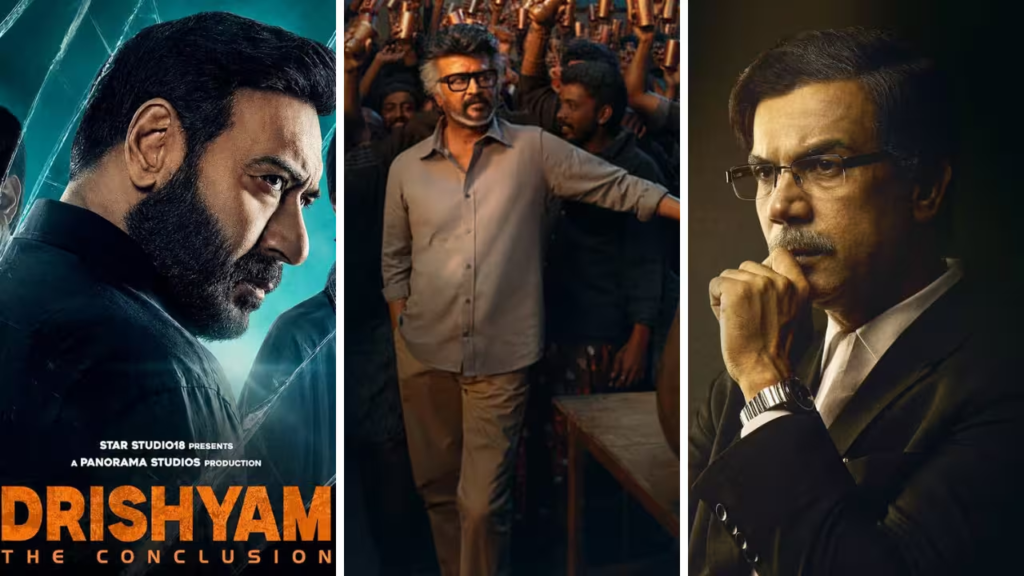
The cinema experience isn’t disappearing. There is still something special about sitting in a dark theatre with a big screen in front of you, hearing an audience react at the same moment, and knowing that everyone came there for the same story. What has changed is what happens before and after the movie. A film can start building an audience months before release through trailers, interviews, social media clips, behind-the-scenes videos, fan theories, and creator discussions. Then, after watching it, people can continue the experience online. They may share their favorite scenes, debate the ending, create memes, post reviews, or watch interviews with the cast. So a movie is no longer just a two- or three-hour experience. For many viewers, it becomes part of a much bigger online conversation. That is one reason franchises and strong fan communities continue to matter. Research from Deloitte in 2026 points to fandom becoming increasingly connected across streaming, social media, merchandise, games, and live experiences.
Streaming Is Becoming More Selective
For a while, it felt as though everyone needed several streaming subscriptions. One service for movies. Another for popular series. Another for sports. And another because there was one show you absolutely didn’t want to miss. But people are starting to think more carefully about what they actually pay for. Price matters. Content matters. Convenience matters. Deloitte’s 2026 research found that streaming households reported average monthly spending of about $69 on subscription video services, while 61% said they would be likely to cancel their favorite service if the monthly price rose by $5. That tells us something important. Viewers aren’t simply collecting subscriptions anymore. They want value. And that helps explain the growing role of ad-supported streaming. In the same Deloitte research, 68% of streaming subscribers reported paying for a service that includes advertising, showing that many viewers are willing to accept ads when the overall cost feels reasonable. For viewers, the decision is becoming surprisingly simple: “Is this service worth keeping?” That question is likely to shape streaming entertainment throughout 2026.
Short Videos Are Changing How People Discover Entertainment
Sometimes a person doesn’t need a full trailer to become interested in a movie or song. A 20-second clip can be enough. Maybe it is a funny scene from a film. Maybe it is a dance from a new song. Maybe a creator talks about a new series and suddenly you want to know what everyone is watching. Short-form video has become a discovery tool. This is especially visible in India, where Reels and similar short-video formats are reaching audiences far beyond major cities. Meta reported in June 2026 that 89% of Gen Z users in its India study engaged with Reels daily, while beauty, fashion, lifestyle, comedy, and sports were among the most-engaged categories. That tells us something about modern entertainment. People aren’t always sitting down and deciding, “Today I am going to discover some new music.” They stumble across it. A video appears. A creator recommends it. A friend shares it. A song becomes part of a trend. And suddenly millions of people know it.
Creators Are Becoming Entertainment Guides
Traditional celebrities still matter, but creators have become another powerful doorway into entertainment. A creator might recommend a movie, explain why a particular series is worth watching, react to a new song, discuss an upcoming release, or simply share their genuine excitement about something. The recommendation can feel different from a normal advertisement. It feels more like hearing about something from someone you already follow. Deloitte’s 2026 research shows how important this relationship has become, particularly among younger audiences. It found that many Gen Z and millennial viewers use social creators and online communities to discover entertainment and connect with fandoms. This doesn’t mean everyone trusts every recommendation. People are becoming smarter about sponsored content too. But the personal connection between creator and audience has clearly become part of the entertainment ecosystem.
Music Is Becoming More Visual
Music has always been connected to visuals, but the relationship is becoming even stronger. A song can now arrive with a music video, short clips, lyric videos, behind-the-scenes footage, live versions, fan edits, and social-media moments. In 2026, Spotify is also expanding video as part of the listening experience. The platform began allowing selected artists to upload full-length videos through Spotify for Artists in beta, including live performances, studio sessions, covers, and official music videos. Spotify says listeners who streamed a music video subsequently streamed the song 64% more often on average over the following three weeks. This makes sense when you think about how people enjoy music today. We don’t always just listen. We watch. We follow the artist. We see clips from concerts. We learn the story behind a song. We discover a track because somebody used it in a video. Music has become an experience that can move between audio and visual formats very easily.
Regional Entertainment Is Getting More Attention
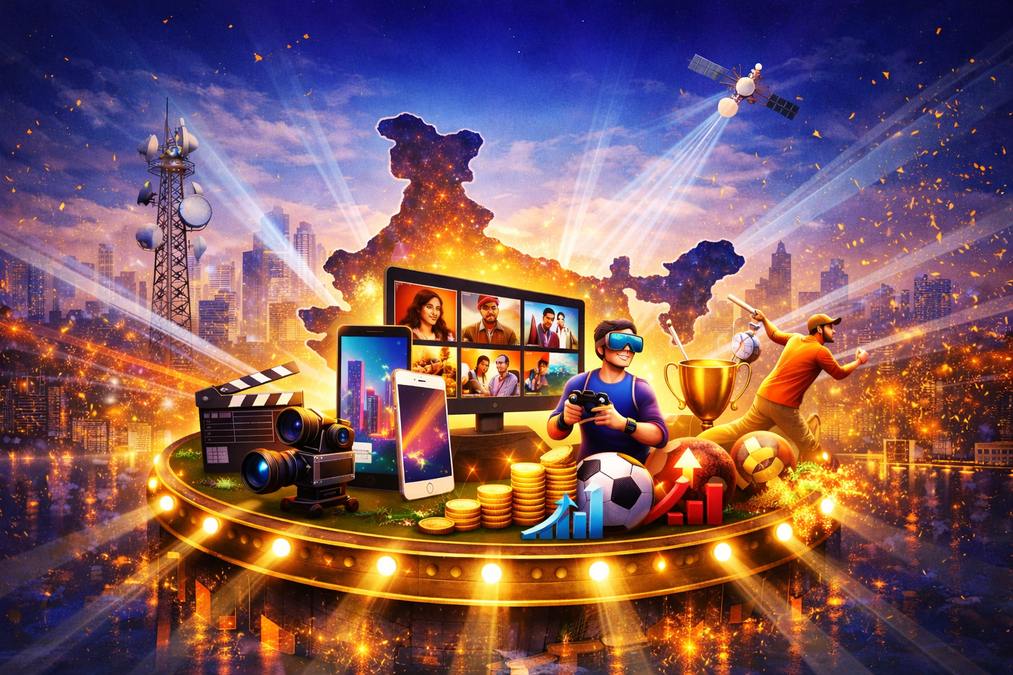
One of the most exciting things happening in entertainment is the growing importance of regional storytelling. Audiences aren’t interested only in content created in one major language or one particular market. They want stories that sound familiar. They want local humor. They want characters who feel believable. They want music that reflects where they come from. And at the same time, a story created for a regional audience can sometimes travel much further than expected. India’s entertainment industry is increasingly focusing on regional-language content alongside digital platforms and technology-led distribution. PwC India projects the country’s entertainment and media market to grow from $25.7 billion in 2025 to $36.7 billion by 2030, with digital ecosystems and regional content playing important roles. That creates an exciting opportunity for storytellers. A story no longer has to become “national” first before reaching an international audience. The internet can make that journey much shorter.
Reality Shows Are Finding New Ways to Keep People Watching
Reality entertainment has been around for years, but it continues to change. In India, reality formats are being adapted across genres, including drama, comedy, relationships, music, and strategy. Industry discussions in 2026 have also highlighted how reality content is competing with short-form social video while still attracting large audiences. Why does reality content continue to work? Perhaps because it feels immediate. There is a sense that anything could happen next. People become attached to personalities rather than just characters. And once viewers care about those personalities, the conversation continues outside the show. Clips circulate. Arguments become memes. Fans take sides. People discuss episodes with friends. That social conversation is a big part of the experience.
Fans Are Becoming Part of the Entertainment Story
Today’s entertainment audience doesn’t always sit quietly and consume. Fans participate. They make edits. They create fan art. They write theories. They discuss endings. They build online communities. They attend events. They buy merchandise. They sometimes introduce other people to the content. This is especially important for franchises, music artists, sports, games, and long-running shows. Deloitte’s 2026 research found that more than half of fans said being a fan often leads them to interact with a show, artist, or franchise across multiple platforms, while the figure rises to around 70% among Gen Z and millennial fans. In other words, fandom is becoming its own entertainment experience. You don’t simply watch the thing. You become part of the community around it.
Live Entertainment Is Having a Strong Moment
There is something interesting happening in an increasingly digital world. People still want to go out. They want concerts. They want festivals. They want theatre performances. They want sports events. They want experiences that cannot be duplicated by watching a screen at home. PwC’s 2026 global entertainment outlook highlights live and immersive experiences as an important growth area, suggesting that audiences continue to place value on in-person experiences even as digital entertainment expands. That doesn’t mean people are leaving streaming behind. It means they want both. A series at home on Tuesday night and a concert on Saturday can easily coexist. Digital entertainment hasn’t eliminated real-world entertainment. In some ways, it has made people appreciate it differently.
AI Will Have a Bigger Role Behind the Scenes
Artificial intelligence is also becoming part of the business side of entertainment. It can help with things such as content localization, audience analysis, advertising, production workflows, and other parts of the media process. India’s media and entertainment industry is already looking toward AI as a tool for content creation, localization, engagement, and monetization. But this is also an area where questions about creativity and originality matter. People don’t watch a movie simply because it was efficiently produced. They connect with a performance. They remember a story. They fall in love with a song. They laugh at a particular line. Technology can help make entertainment. It does not automatically know what will make people care. That distinction will remain important.
The Biggest Entertainment Trend May Be Choice
There is simply too much entertainment available now. That sounds like a great problem to have, but it can actually make choosing difficult. What should you watch tonight? Which movie is worth two hours? Which streaming subscription should you keep? Which new artist should you listen to? Which series deserves your attention? We are no longer living in a world where entertainment is limited. We are living in a world where attention is limited. That means entertainment companies are increasingly competing not just with one another, but with everything else happening on a person’s phone. A movie competes with short videos. A song competes with podcasts. A television show competes with gaming. A concert competes with countless other ways to spend a Saturday evening. The entertainment that stands out will often be the entertainment that gives people a reason to care.
What Entertainment Could Look Like Next
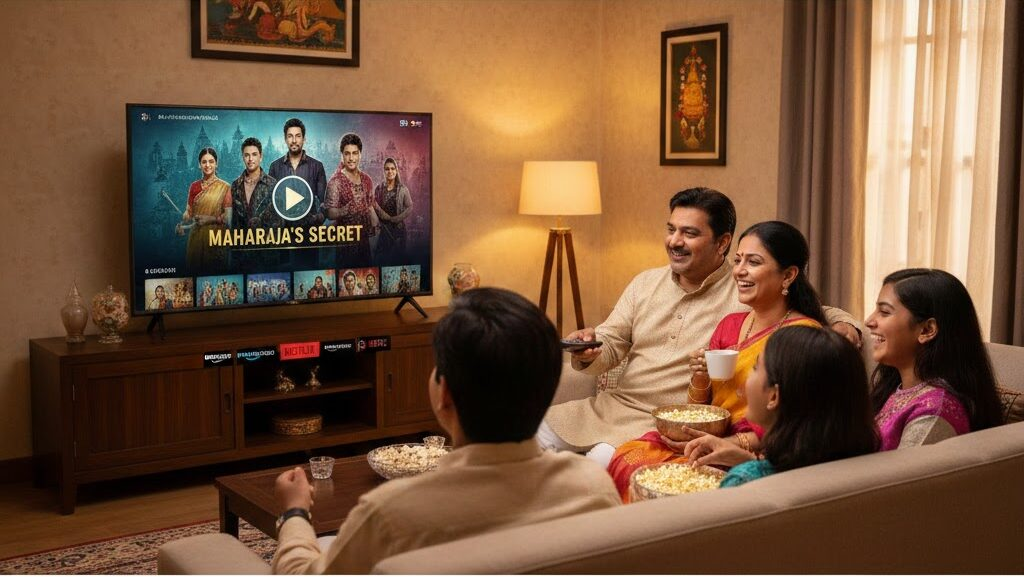
Looking ahead, the line between different entertainment formats is likely to become even less obvious. A movie may begin with a short social clip. A song may become popular because of a creator. A streaming series may lead to live events and merchandise. A reality show may become just as much of a social-media conversation as a television program. A regional story may reach audiences around the world. And a fan community may become part of the success of the entertainment itself. The old categories are becoming harder to separate. Movies, music, gaming, creators, social media, streaming, live events, and fandom are increasingly connected.
FAQ’s
1. What are the latest entertainment trends in 2026?
The biggest entertainment trends in 2026 include streaming, short-form video, creator-led content, music videos, regional entertainment, live experiences, fandom communities, and the growing use of AI.
2. What are people watching in 2026?
Audiences are watching a mix of movies, streaming series, reality shows, short videos, regional-language content, and creator-led entertainment across multiple platforms.
3. Is streaming still popular in 2026?
Yes. Streaming remains a major way people watch movies and shows, although viewers are becoming more selective about subscriptions, pricing, advertising, and the content they choose.
4. How are social media platforms changing entertainment?
Social media has become an important place to discover movies, music, shows, creators, and trends. Short videos, recommendations, fan content, and viral clips can quickly introduce audiences to new entertainment.
5. How is AI changing the entertainment industry?
AI is increasingly being used in areas such as content workflows, audience insights, localization, marketing, and production support. Human creativity and judgment remain important parts of the process.

0 Comments