Saving money in 2026 may bring new challenges, but it also brings fresh opportunities. With the rising cost of living and the convenience of digital spending, it’s more important than ever to be mindful of our financial habits and money-saving tips. Thankfully, today’s technology, like contactless payments, can empower us to track our expenses more efficiently and make smarter financial decisions. With the right approach, it’s entirely possible to build healthy savings and enjoy greater financial security in this digital age.
The best part? Extreme effort is not necessary to save money; it is about staying consistent and being aware of where your money goes. However, saving doesn’t mean giving up the things that bring joy; it’s simply about making wiser choices with the resources you already have. Whether you’re a student, a young professional, or managing a household, a few smart strategies can go a long way in building lasting financial habits and paving the way for a more secure and fulfilling future.
Set Financial Goals and Track Progress

Before you map out any budget, you have to ask yourself a deeply human question: What do I actually care about? Money is just a tool to help you live your life, not the point of life itself. Maybe you want to take a breath of fresh air by clearing a nagging stressor, save up for a cozy road trip, or build a cushion so you can quit a job that drains your soul.
- Sit down with a warm cup of coffee or tea this weekend. Grab an actual notebook and a pen—there is something grounding about handwriting your dreams. Write down two or three things you genuinely want to achieve this year.
- Don’t beat yourself up if you fall off track for a month. Treat tracking your progress like walking down a familiar trail to check on how things are growing. Celebrate the small milestones. Every little step forward is proof that your effort is taking root.
Prioritize Paying Off High-Interest Debts
Carrying high-interest debt—like credit cards—can feel like walking uphill through deep mud while wearing heavy boots. Every single month, a massive chunk of your hard-earned energy gets sapped away by compounding interest, leaving you feeling utterly exhausted and stuck.
- It is heavy, and it drains your mental bandwidth.
- Focus your heaviest efforts on wiping out the steepest slopes first (the debts with the highest interest rates). As each one shrinks and finally disappears, you will physically feel a heavy weight lift off your chest. That emotional relief and mental clarity are worth every ounce of short-term sacrifice.
Use Credit Cards Wisely
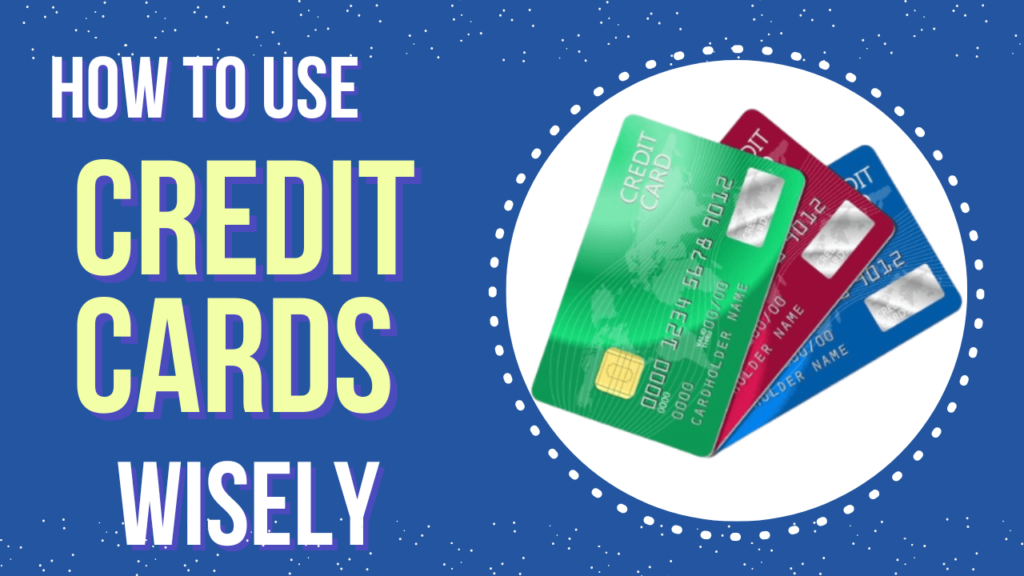
Credit cards are powerful tools, much like a sharp gardening shear: when handled with care and respect, they help you shape and manage your life smoothly; when handled carelessly, they can leave deep, painful cuts.
- Swiping a piece of plastic feels painless in the moment, disconnecting our minds from the actual human effort—the hours of labor and energy—that went into earning those dollars.
- Treat plastic strictly like cash. Only charge what you can comfortably pay off in full the moment your statement arrives. By never carrying a balance over from month to month, you sidestep punishing interest fees entirely while naturally building a stellar credit history.
Build an Emergency Fund
No matter how sunny and clear your forecast looks today, every life eventually experiences a sudden storm—a car breakdown, a leaky roof, or an unexpected medical bill. Without shelter, these moments can completely uproot your stability.
- Having cash stashed away changes the way you carry yourself through the world. It turns a potential crisis into a mere inconvenience.
- Start small. You don’t need thousands of dollars overnight. Set aside a modest cushion of a few hundred bucks, and gradually let it grow until you have three to six months of essential living expenses tucked safely away in a separate high-yield savings account out of sight.
Focus on Paying Off Debt

Beyond the high-interest hurdles, getting completely clear of debt frees up your entire ecosystem. When every single dollar you earn actually belongs to you rather than yesterday’s purchases, your daily life transforms from survival mode into true creation.
- It feels like stepping out of a cramped room and into an open field.
- Pick a rhythm that fits your personality. Some people prefer the “snowball” method (wiping out the smallest balances first for a quick psychological boost), while others prefer the “avalanche” method (focusing purely on math). Whichever you choose, stay consistent and give yourself grace along the way.
Automate Financial Success
Human willpower is a finite, beautiful, and sometimes tired resource. If we rely entirely on our daily discipline to manually transfer money into savings every payday, life’s daily distractions will inevitably get in the way.
- Remembering to save feels like another chore on an endless to-do list.
- Let systems do the heavy lifting for you. Set up automatic transfers that funnel a comfortable percentage of your paycheck straight into your savings or investment accounts the very morning you get paid. By hiding that money from your immediate view, you adapt effortlessly to living on the remainder.
Maximize Retirement Contributions

It is so easy to get completely caught up in the immediate demands of today. But the person you will be twenty or thirty years from now deserves to rest comfortably in the shade of the trees you are planting right now.
- Retirement can feel abstract and unimaginably far away when you are just trying to get through the week.
- Think of your retirement contributions as sending care packages forward through time to your future self. Take full advantage of employer matches if you have them—that is literally free money waiting to work for you.
Protect Financial Health with Adequate Insurance
Insurance isn’t a fun or glamorous expense to think about, but it is the sturdy roof over your financial house. Health, auto, home, or life insurance acts as a bulwark against catastrophic events that could otherwise wipe out years of careful saving in a single afternoon.
- Paying premiums can sometimes feel like throwing money into a void when everything is fine.
- Shift your perspective. Insurance isn’t an expense; it is purchasing peace of mind. Knowing that a sudden accident won’t trigger a financial avalanche gives you the fearless confidence to live fully in the present moment.
Buy Genuine Products

In our rush to save money, it is tempting to buy the cheapest possible version of everything online or at the store. But cheap items often break down quickly, forcing you to replace them over and over again—a hidden loop of consumption that drains both your wallet and the earth’s resources.
- Constantly replacing flimsy things is frustrating, annoying, and ultimately more expensive in the long run.
- Value craftsmanship and longevity. Invest in genuine, durable products that are built to last. Whether it’s a solid pair of boots, reliable kitchen tools, or a sturdy piece of furniture, buying well once means you rarely have to buy again. True frugality isn’t about buying the cheapest junk; it’s about investing in things that hold lasting value and bring authentic utility to your everyday life.
FAQ’s
1. What are the easiest money-saving tips for 2026?
Tracking your spending, creating a realistic budget, reducing unnecessary purchases, reviewing subscriptions, and saving regularly are simple places to start.
2. How can I save money every month?
Set a monthly savings target, reduce avoidable expenses, plan your shopping, and transfer money to savings before spending.
3. How can I stop unnecessary spending?
Pause before making non-essential purchases and ask whether you really need the item or are buying it on impulse.
4. Is budgeting important for saving money?
Yes. A practical budget helps you understand your expenses and decide how much money you can save and spend.
5. How can I save money on groceries?
Make a shopping list, check what you already have at home, plan meals, and avoid buying food that may go to waste.

0 Comments