There is something interesting about culture: it changes before we even realize it has changed. A new habit slowly becomes normal. A style that once looked unusual starts appearing everywhere. A traditional recipe gets a modern twist. People discover new ways to work, relax, communicate, celebrate, and express themselves.
By the time we notice a cultural trend, it has often already become part of everyday life.
That is what makes 2026 such an interesting year. Modern life is not moving in just one direction. Technology is becoming more important, but people are also looking for moments away from screens. Global influences are reaching our homes faster than ever, while local traditions are finding new appreciation. People want convenience, but they also want experiences that feel personal and genuine.
The result is a culture that feels both modern and familiar.
Some of the biggest changes are happening quietly. They can be seen in the way people dress, eat, work, decorate their homes, spend their weekends, communicate with friends, and think about what really matters to them.
Culture Is Changing Through Everyday Choices
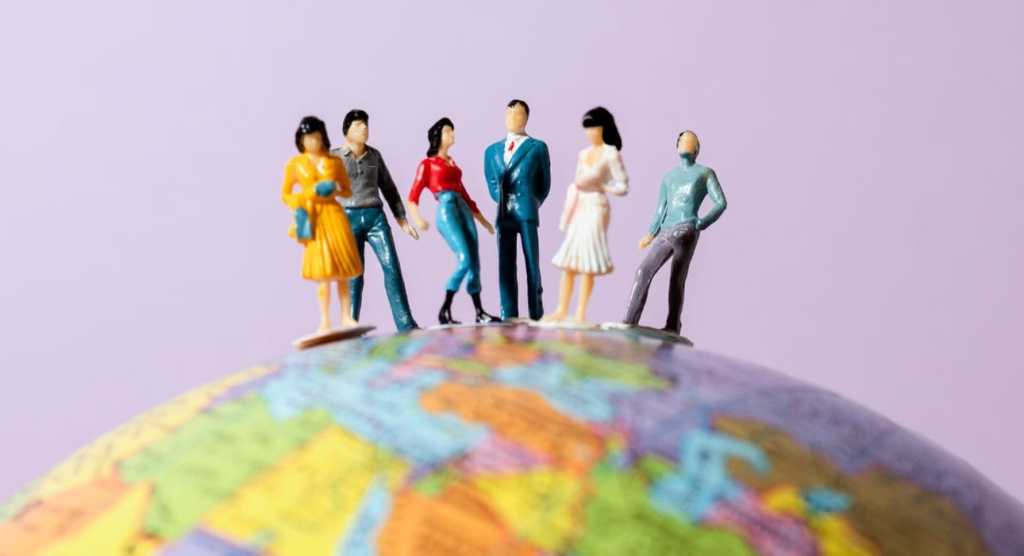
Culture can sound like a big and complicated word, but it actually begins with ordinary things. The food prepared in a family kitchen is part of culture. So is the music playing during a celebration. The clothes someone chooses for an important occasion can reflect culture. Even small habits, such as meeting friends for tea or gathering with relatives during a festival, can carry cultural meaning. As everyday life changes, culture changes along with it.
In 2026, people have more freedom to choose what they want to keep and what they want to change. A person can enjoy modern technology while remaining deeply connected to family traditions. Someone can love international fashion while wearing traditional clothing for special occasions. Another person can work online but still spend weekends enjoying activities that have nothing to do with technology. This mixture is becoming completely normal. Modern culture is less about following one fixed way of life and more about creating a lifestyle that feels comfortable and meaningful.
Technology Is Becoming Part of Culture
Technology is no longer something that sits separately from daily life. It is woven into it. People use digital platforms to communicate, learn, shop, work, watch entertainment, discover recipes, follow trends, and stay connected with people who live far away.A cultural idea can travel incredibly quickly now. A song can become popular in countries far from where it was created. A cooking method can reach millions of people through a short video.
A traditional craft can find a new audience because someone decided to share the process online. That kind of connection can be wonderful. But there is also a growing awareness that being online all the time can become exhausting. Constant notifications and endless scrolling can make it difficult to enjoy the moment in front of us. This is why digital culture in 2026 is becoming more thoughtful. People are not necessarily abandoning technology. They are becoming more interested in controlling their relationship with it. There is a difference between using technology because it helps and using it simply because there is nothing else to do.
Traditional Culture Is Finding a New Place in Modern Life
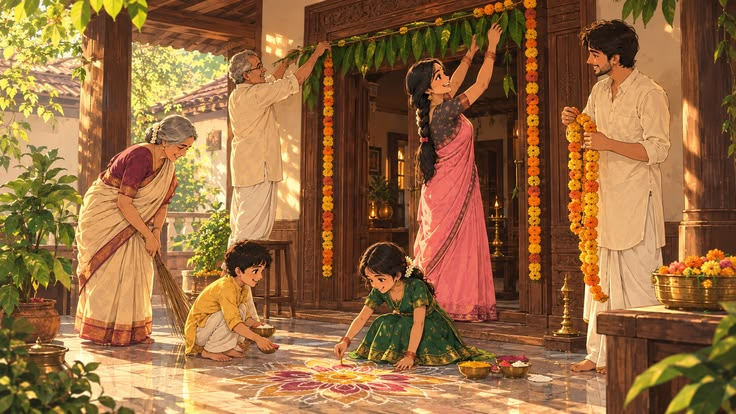
Traditions have a way of carrying emotions with them. A family recipe may remind someone of childhood. A particular outfit may be connected to a festival or wedding. A handmade decoration may have been passed down through generations. These things have value because they are connected to memories. In 2026, traditional culture is finding ways to fit naturally into modern lifestyles. People are not always following traditions exactly as previous generations did. Instead, they are adapting them.
Traditional clothing may be styled with modern accessories. Old recipes may be prepared with new ingredients or presented differently. Handmade crafts may become part of contemporary home decoration. This does not necessarily mean tradition is being lost. Sometimes change is exactly what keeps a tradition alive. Every generation adds something of its own. That is how culture continues to grow instead of simply staying frozen in the past.
Fashion Is Becoming a Form of Personal Expression
Fashion has never been only about clothing. It can say a lot about how someone feels and how they want to present themselves. In 2026, personal style is becoming more important than simply following whatever happens to be popular. People have access to endless inspiration. They can discover fashion from different countries, decades, communities, and creative movements within minutes. But instead of copying one complete look, many people are mixing influences. Someone might wear a traditional saree with contemporary jewelry. Another person might combine vintage denim with a modern shirt. Someone else may prefer a very simple wardrobe and use accessories to add personality.
There is more room for experimentation. Fashion is becoming a way of saying, “This feels like me.” That personal connection is often more satisfying than buying something simply because everyone else is wearing it.
Global Culture Is Becoming Part of Local Life
The internet has changed how people experience other cultures. A person does not necessarily need to travel abroad to discover another country’s food, music, fashion, art, or entertainment. Much of it can be experienced from home. This has created a kind of everyday cultural exchange. People may discover a new cuisine through a restaurant, become interested in another country’s music through a streaming platform, or learn about a traditional craft from a creator online.
The positive side of this exchange is curiosity. People can become interested in stories and traditions they may never have encountered before. At the same time, cultural appreciation becomes much more meaningful when people understand the background behind what they are enjoying. A traditional garment is more than a fashion object. A recipe can carry history. A festival can have deep meaning for the people who celebrate it. Global culture can bring people closer when curiosity is accompanied by respect.
Food Is Becoming More Than Something We Eat
Food has always been deeply connected to culture. Ask someone about a favorite dish and there is often a story behind it. It may remind them of home, a family member, a festival, a holiday, or a particular period of their life. Modern food culture is adding another layer to this relationship. People are curious. They want to try new flavors, explore different cuisines, visit interesting cafés, experiment in their kitchens, and discover foods from different regions. But after all the experimentation, comfort food still has a special place. A person may happily try an unfamiliar dish at a restaurant and then crave a simple homemade meal the next day.
That balance between discovery and familiarity is an important part of modern food culture. Eating is also becoming more social. Cooking together, visiting food markets, meeting friends at cafés, and sharing meals can create memories that have very little to do with the food itself. Sometimes the people at the table are what make the meal special.
Online Communities Are Creating New Forms of Belonging

Community used to depend heavily on location. People met through schools, neighborhoods, workplaces, religious groups, clubs, or local events. Today, people can find communities based on shared interests rather than shared geography. A person who loves reading can connect with readers from different cities and countries. Someone interested in photography can find other photographers online. Small business owners can exchange ideas with people they may never meet in person. For many people, this can be incredibly valuable. Finding someone who understands a particular hobby or interest can make a person feel less alone. Still, online communities cannot completely replace physical connection.
There is something different about sitting across from a friend, sharing a meal, laughing together, or simply spending time in the same room. Modern community is therefore becoming a combination of both worlds. Digital connections are useful, but real-life relationships continue to have their own importance.
Sustainability Is Becoming Part of Everyday Thinking
Sustainability is increasingly showing up in ordinary decisions. People are asking more questions before buying things. Do I actually need this? Will it last? Can I repair it? Could I reuse something I already have? These questions may sound small, but they can influence shopping habits over time. Sustainable living does not have to mean creating a perfect lifestyle. Real life is messy, and people have different budgets, responsibilities, and choices. The important change is awareness.
Someone might buy fewer unnecessary clothes. Another person might choose reusable products. Someone else might support a local maker or keep an old item instead of replacing it immediately. These choices may seem ordinary, but they reflect a wider cultural movement toward being more thoughtful about consumption.
Handmade Creativity Is Bringing People Back to Slow Activities
There is something satisfying about making an object with your own hands. It might be a painting, a knitted piece, a clay decoration, a handmade card, a journal page, or something created from materials already sitting around the house. The finished result does not have to be perfect. In fact, the little imperfections can make handmade work feel more genuine. DIY and creative hobbies also provide a welcome break from the speed of digital life.
When you are painting or working with clay, you cannot always rush the process. You have to stay with it. That slower rhythm can be surprisingly enjoyable. For many people, creativity is becoming less about producing something worthy of social media and more about simply enjoying the act of making.
Celebrations Are Becoming More Personal
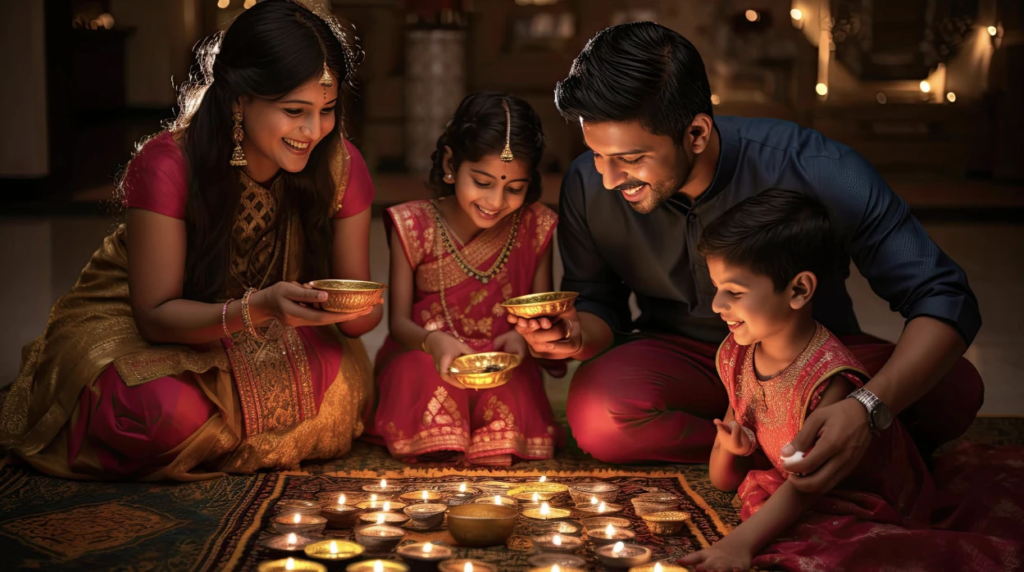
Celebrations are changing in subtle ways. People still enjoy large weddings, festivals, parties, and family gatherings, but there is also a growing appreciation for events that feel personal rather than simply impressive. A smaller celebration can sometimes create better memories because people have more time to actually talk to one another.
Traditional customs can still be included while decorations, food, music, photography, and presentation take a more modern direction. A celebration does not have to look exactly like the previous generation’s celebration. It can carry the same emotional meaning while looking completely different. That flexibility allows traditions to remain relevant while giving people room to express their own personalities.
FAQ’s
1. What are emerging cultural trends in 2026?
Emerging cultural trends in 2026 include digital culture, personal fashion, global influences, sustainable living, handmade creativity, and changing lifestyle habits.
2. How is technology influencing modern culture?
Technology is changing how people communicate, work, shop, learn, entertain themselves, and connect with communities.
3. Are traditional cultures still important in 2026?
Yes. Traditional clothing, food, festivals, crafts, and family customs continue to influence modern lifestyles while adapting to contemporary preferences.
4. How is fashion changing in 2026?
Fashion is becoming more personal, with people mixing modern styles, traditional clothing, vintage pieces, and individual preferences.
5. Why is sustainability becoming a cultural trend?
People are becoming more conscious about consumption, waste, reusable products, durable goods, and thoughtful purchasing decisions.
0 Comments