Step outside, take a deep breath of fresh morning air, and look up at the horizon. Job hunting today often feels like shouting into an endless, empty canyon. If you have been dusting off a tired old resume template from years ago or firing off generic applications into the cold digital abyss, you already know the heavy, sinking feeling of absolute silence. The hiring landscape has shifted completely beneath our feet. Cold algorithms scan our wording before a human pair of eyes ever wakes up, and automated filters discard brilliant minds simply because a margin was a fraction of an inch off or a font looked slightly too unusual.
If you are feeling burnt out, exhausted, or wondering if anyone is actually reading your words, let that tension drift away. We are going to untangle this messy puzzle together, piece by piece, with a grounded, organic approach that brings real human intuition back into your career search.
Deconstructing the Modern Hiring Game

Before we touch a single bullet point on your resume, we need to understand what is happening behind the curtain. Hiring today is a wild mix of digital hurdles and raw human psychology.
The Real Deal with Applicant Tracking Systems (ATS)
Almost every modern company uses parsing software to screen resumes before a manager ever logs on. Think of it like a weather vane or a quiet gatekeeper standing outside a busy cabin, checking names against a guest list.
- The danger of pretty templates: I know those gorgeous multi-column resume designs look stunning on design sites, but ATS software utterly despises them. They scramble your clean text into a chaotic puzzle.
- Context flows deeper than keywords: Modern screening software looks at how concepts weave together naturally, rather than just letting you jam the word “leadership” into every single paragraph like a broken record.
- The human glance: Once you pass the digital gatekeeper, a real, tired human spends maybe eight to ten seconds scanning your page over a morning cup of coffee. If nothing catches their eye organically, you drift away.
What Hiring Managers Actually Want to See
Drop the robotic corporate jargon completely. Nobody wants to read that you are a “synergistic team player with an absolute passion for operational excellence.” It sounds like it was spun up by a machine in a dark basement.
- Real adaptability: Show how you rolled with the punches when a project fell apart or a sudden storm hit your daily workflow.
- Tangible proof: Give them numbers, messy realities, and clear outcomes. Show them how your presence made a team’s daily life lighter, smoother, and more productive.
- Genuine curiosity: People want to work with human beings they actually enjoy talking to for forty hours a week, not walking encyclopedias who speak exclusively in corporate buzzwords.
Building a Resume That Feels Alive
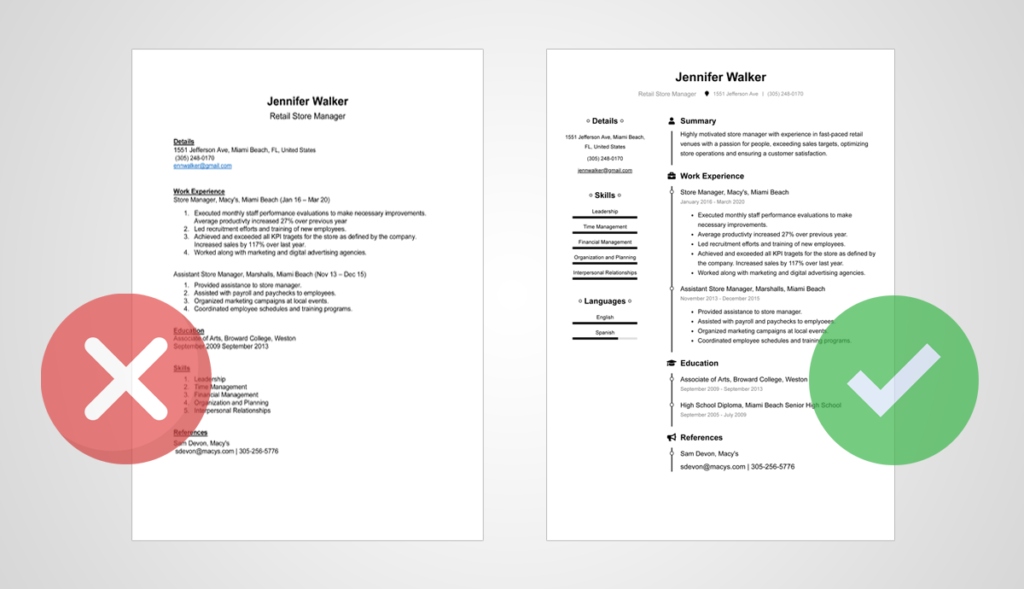
Your resume is your personal story, not just a dusty list of chores you used to dread doing every Tuesday morning. Let’s build it piece by piece so it feels organic, sharp, and deeply human.
The Header and the Professional Summary
Keep your contact info clean and calm at the top—phone number, email, and a customized LinkedIn link. Skip your home address because nobody sends mail pigeons or paper letters anymore.
Your professional summary should read like a natural introduction at a quiet coffee shop, not an ancient formal objective statement.
- Sentence 1: Who are you in plain English? (e.g., “I am a project manager with six years of experience wrangling chaotic tech rollouts.”)
- Sentence 2: What is your core superpower? (e.g., “I specialize in bridging the gap between developers and clients without losing my sanity.”)
- Sentence 3: What kind of energy are you bringing next?
Rewriting Your Work Experience
Stop listing your daily duties like a robot manual. Instead, tell a short story of impact for every role you have held.
- Ditch weak verbs: Swap out passive phrases like “helped with” for punchy, alive actions like spearheaded, rebuilt, negotiated, or designed.
- Use the Challenge-Action-Result flow: Paint a picture of a messy problem you walked into, what you did about it, and how the landscape looked when you left.
- Ground it in numbers: Did you save three hours of weekly meeting time? Did you cut a budget by ten percent? Anchor your work in reality.
Plaintext
Example:
- Boring: Managed social media posts and answered customer messages.
- Alive: Took over a stagnant social media channel, overhauled our content strategy, and grew organic engagement by 45% in four months.
Organizing Your Skills and Background
Group your skills logically so a tired recruiter can scan them in a heartbeat. Split them into hard tools you use every day and the soft, human traits—like active listening, empathy, or crisis management—that keep projects moving forward. Keep your education clean and straightforward at the bottom.
Navigating the Interview Without Losing Your Soul

Getting the interview means your resume worked its magic. Now comes the part that makes everyone’s palms sweat: talking to people. Whether you are sitting across a wooden conference table or staring into a laptop camera, the secret is leaning into your natural curiosity.
Prepping Like a Human Being
Don’t memorize robotic answers from a script. That makes you sound stiff and terrified.
- Do your homework: Look up the company, but look past their sterile “About Us” page. Check what people are actually saying about them on forums or social media. What keeps their leadership awake at night?
- Find your stories: Pick three major projects from your past where things went sideways and you fixed them. You can adapt these stories to fit almost any behavioral question they throw at you.
- Prepare real questions: When they ask if you have questions, don’t just ask about PTO. Ask things like, “What is the biggest hurdle the team is tripping over right now?” or “What does a genuinely bad day look like in this role?”
Surviving Virtual and Hybrid Interviews
We have all lived through enough video calls to know how weird they can feel.
- Check your setup early: Make sure your lighting doesn’t make you look like a ghost in a horror movie, and test your audio.
- Look at the lens: When you are talking, look straight into the camera dot instead of the face on your screen. It creates that subtle, psychological feeling of eye contact.
- Breathe: If your cat walks across the keyboard or the internet blips for a second, laugh it off. How you handle a sudden hiccup tells them far more about your character than a polished script ever could.
Tackling Behavioral Questions Easily
When an interviewer says, “Tell me about a time when…” use the classic STAR framework to keep your thoughts from wandering into the weeds:
- Situation: Set the scene quickly. Where were you? What was the weather like in your project world?
- Task: What was your specific mountain to climb?
- Action: What did you do with your own two hands and brain?
- Result: How did things change after you stepped in?
The Aftermath—Following Up and Talking Numbers

The interview doesn’t magically end the moment you close Zoom or walk out the building lobby.
The Gentle Art of the Follow-Up
Send a quick, warm note within 24 hours. Mention one specific thing you laughed about or discussed during the chat. Keep it human, keep it brief, and let them know you are genuinely excited about what they are building.
Walking Through Salary Negotiations
When the offer finally lands, take a deep breath and step back.
- Never say yes on the spot: Give yourself a day or two to look over the numbers with a clear head.
- Check the market climate: Look around to see what peers in your field are actually making right now.
- Talk total value: If the base salary has wiggle room, look at remote flexibility, wellness stipends, or extra time off. Approach it as a collaborative conversation, not a battlefield duel.
FAQ’s
1. How can I create a winning resume in 2026?
Focus on relevant skills, measurable achievements, clear formatting, and keywords related to the job.
2. What should I include in my resume?
Include your contact details, professional summary, experience, skills, education, and relevant achievements.
3. How long should a resume be?
For most job seekers, one or two pages is enough when the information is relevant and well organized.
4. How can I prepare for a job interview?
Research the company, understand the role, practice common questions, and prepare thoughtful questions for the interviewer.
5. What are the most important interview skills?
Clear communication, confidence, active listening, problem-solving, and genuine knowledge of the role are important.



0 Comments