Here’s your paragraph naturally optimized with the keyword “You Develop Better Habits” while keeping it humanized and SEO-friendly:
Good habits are like seeds planted in rich soil. At first, they seem small and almost invisible, but with patience, care, and consistency, they grow into strong trees that shape the direction of our lives. Every successful person, whether they are an entrepreneur, athlete, writer, or teacher, has one thing in common. They rely on habits more than motivation. Motivation comes and goes like the changing seasons, but habits stay with us through sunshine, rain, and every challenge in between.
Many people want to improve their lives. They want to wake up earlier, exercise regularly, read more, save money, or become more productive. The difficult part is not knowing what to do. The difficult part is doing it every single day. This is where books become valuable companions. A great book does more than provide information. It changes the way you think, helping you develop better habits, understand why daily routines matter, and see how small actions can create extraordinary results over time.
If you are looking for books that can inspire lasting personal growth, the following titles have helped millions of readers around the world develop better habits, build healthier routines, strengthen discipline, and create a more meaningful life.
Atomic Habits by James Clear
Few books have changed the conversation around habits as much as Atomic Habits. Instead of asking readers to make dramatic life changes overnight, James Clear explains how tiny improvements can create remarkable long-term success.
One of the biggest lessons from this book is that you do not rise to the level of your goals. You fall to the level of your systems. This simple idea encourages readers to focus on daily routines rather than distant achievements.
Imagine standing beside a peaceful river. The water does not carve the rocks because of one powerful wave. It shapes the landscape through constant movement over many years. Habits work in the same way. Small actions repeated consistently become powerful enough to transform your life.
The book also introduces practical techniques for making good habits easier and bad habits more difficult. Rather than depending on willpower, it teaches readers how to design their environment so positive choices become natural.
The Power of Habit by Charles Duhigg
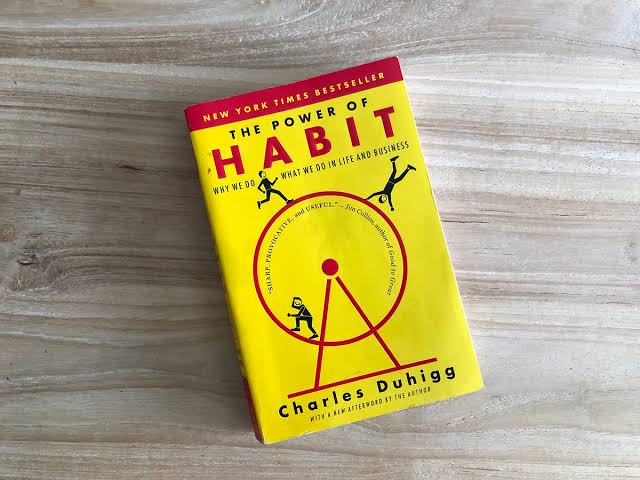
Charles Duhigg explores the fascinating science behind habits and explains why they become automatic.
The book introduces the concept of the habit loop, which includes a cue, a routine, and a reward. Understanding this pattern helps readers recognize why certain behaviors happen repeatedly.
What makes this book especially interesting is its combination of psychology, real-life stories, and scientific research. Instead of simply telling readers to change, it explains how the human brain builds habits and why replacing an old habit is often easier than eliminating it completely.
Reading this book feels like walking through a forest where every tree reveals another hidden secret about human behavior. As each chapter unfolds, readers begin to notice the invisible routines guiding their everyday decisions.
Tiny Habits by BJ Fogg
Many people fail to build good habits because they begin with goals that are too large. BJ Fogg takes a different approach by encouraging readers to start incredibly small.
Instead of promising to exercise for an hour every day, you might begin with a single push-up. Instead of reading fifty pages, you start with one page. These tiny actions may seem insignificant, but they reduce resistance and make consistency easier.
The beauty of this method is its simplicity. Small victories build confidence, and confidence encourages larger achievements.
Like the first green leaves appearing after winter, tiny habits remind us that growth often begins quietly. We rarely notice dramatic change in a single day, but over time, those small beginnings become something much greater.
The 7 Habits of Highly Effective People by Stephen R. Covey
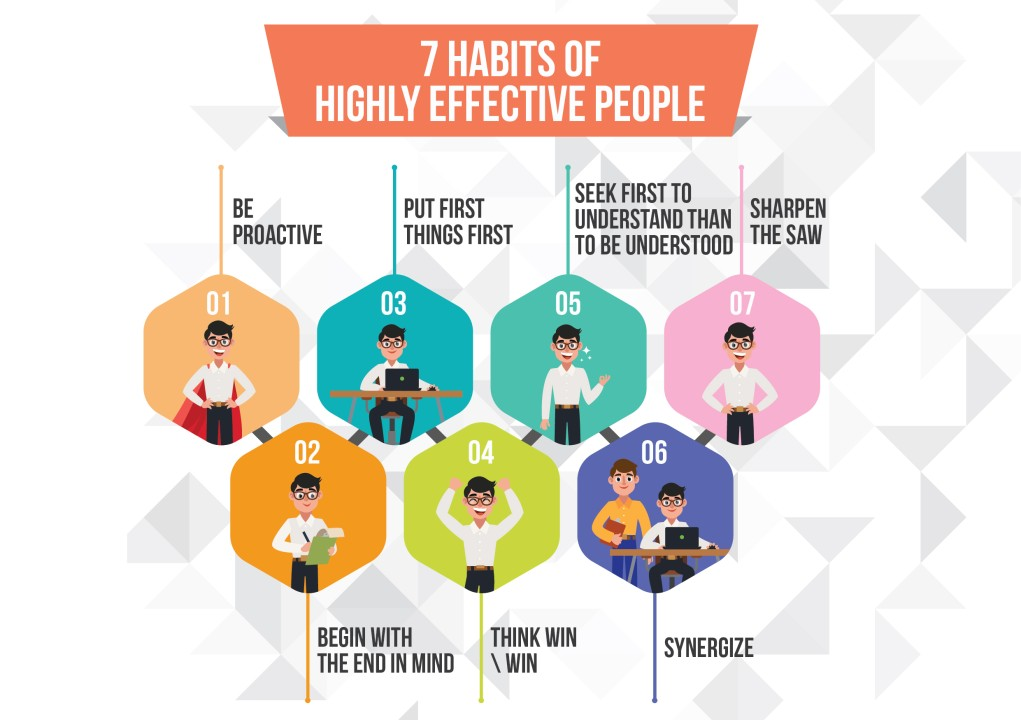
Stephen Covey’s classic book has remained influential for decades because it focuses on character rather than quick success.
The seven habits described in the book encourage readers to become proactive, set meaningful goals, prioritize important tasks, communicate effectively, and continue learning throughout life.
Rather than offering temporary motivation, Covey encourages deep personal reflection. He challenges readers to think about their values, relationships, and long-term purpose.
One of the strongest messages is that success is not measured only by achievements. True success comes from becoming a better person while pursuing meaningful goals.
Reading this book feels like climbing a mountain path. Each chapter offers a clearer view, allowing readers to see both themselves and their future from a higher perspective.
Mindset by Carol S. Dweck
Habits begin in the mind long before they appear in daily routines. Carol Dweck explains how our beliefs influence our actions through the concepts of fixed and growth mindsets.
People with a fixed mindset often believe their abilities cannot change. Those with a growth mindset believe they can improve through learning, effort, and persistence.
This difference affects nearly every habit we build.
When challenges appear, a fixed mindset may encourage giving up. A growth mindset encourages learning from mistakes and continuing forward.
Like a young tree bending gently with the wind instead of breaking, a growth mindset allows people to adapt, recover, and grow stronger after setbacks.
Deep Work by Cal Newport
Modern life is filled with distractions. Notifications, endless scrolling, and constant interruptions make focused work increasingly difficult.
Cal Newport argues that the ability to concentrate deeply has become one of the most valuable skills in today’s world.
The habits described in this book help readers create uninterrupted periods of focused work while reducing unnecessary distractions.
The result is not only greater productivity but also higher-quality thinking.
Imagine sitting beside a quiet lake early in the morning. The still water reflects everything clearly because nothing disturbs its surface. Deep focus works in the same way. A calm mind produces better ideas than one constantly interrupted.
The Miracle Morning by Hal Elrod
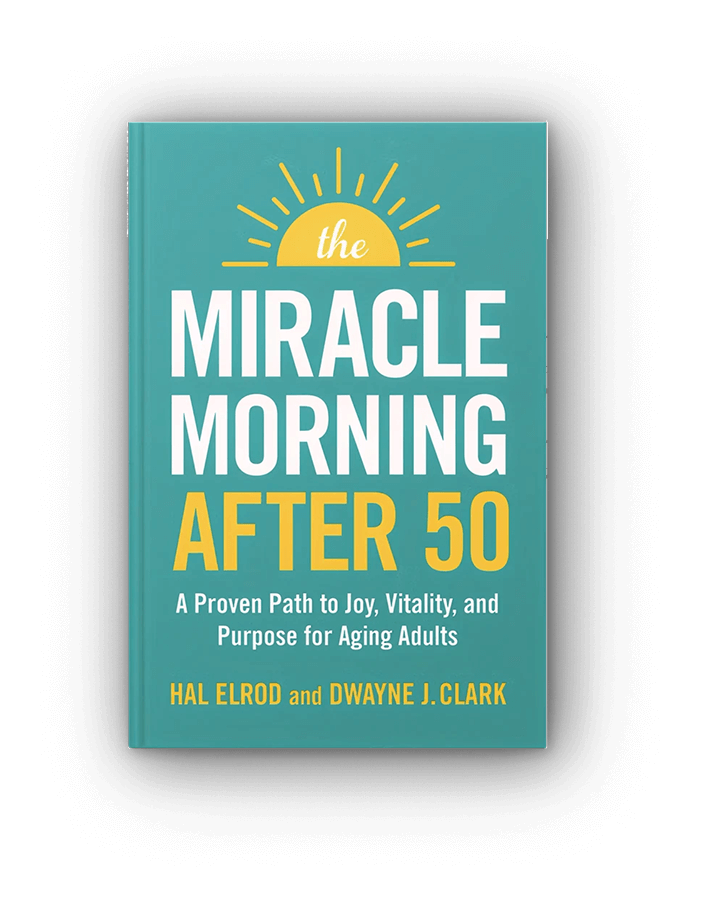
Morning routines often shape the rest of the day. Hal Elrod explains how starting each morning with intentional habits can improve productivity, health, and emotional well-being.
The book encourages activities such as silence, affirmations, visualization, exercise, reading, and writing.
While readers may choose different routines based on their lifestyle, the core message remains powerful. The first hour of your day influences everything that follows.
Watching the sunrise reminds us that every morning offers another opportunity to begin again. Yesterday’s mistakes do not have to define today’s choices.
Essentialism by Greg McKeown
Many people believe success comes from doing more. Greg McKeown argues the opposite. Real success comes from focusing on what truly matters.
Essentialism teaches readers to eliminate unnecessary commitments and spend more time on meaningful priorities.
Better habits are often created not by adding more activities but by removing distractions that steal our attention.
Just as a gardener removes weeds so healthy plants can flourish, we must remove unnecessary obligations to create space for our best habits.
The Compound Effect by Darren Hardy
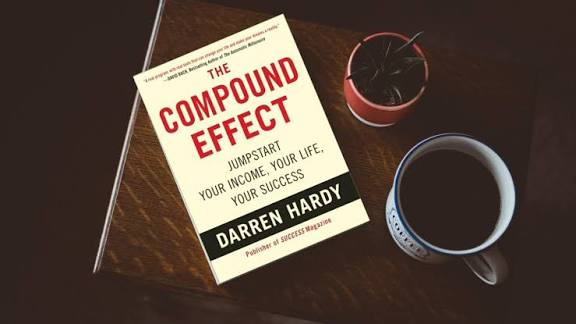
This book explains one of life’s most important principles. Small decisions repeated consistently produce extraordinary long-term results.
Every choice matters, even when the results seem invisible at first.
Saving a little money each month, reading a few pages every day, walking for thirty minutes, or choosing healthier meals may not feel significant today. Months and years later, those simple choices create remarkable differences.
Nature teaches this lesson beautifully. A mighty oak begins as a tiny acorn. Great rivers begin as small streams. Lasting success grows through patience rather than speed.
Why Reading Habit Books Actually Works
Books offer more than advice. They provide new perspectives that challenge old thinking.
When we read about people overcoming struggles, our own challenges feel more manageable. When we understand the psychology behind habits, change becomes less mysterious.
Reading also slows us down in a world filled with constant noise. It creates quiet moments for reflection, allowing ideas to take root in our minds before becoming actions.
Each book becomes like a trusted friend walking beside us, offering wisdom whenever we need encouragement.
FAQ’s
1. Which book is best for building better habits?
Atomic Habits by James Clear is one of the best books for creating lasting habits.
2. Can habit books really change my life?
Yes. They provide practical strategies that help improve your daily routines and mindset.
3. How long does it take to build a good habit?
It varies for each person, but consistency is more important than the number of days.
4. Which habit book is best for beginners?
Tiny Habits by BJ Fogg is simple, practical, and ideal for beginners.
5. Should I read one habit book or several?
Start with one book, apply its lessons, then move on to another for deeper learning.
- 10 Personal Growth Habits That Lead to Lasting Success

- Easy Creative DIY Projects for Beginners in 2026

- 10 Powerful Money Moves That Can Change Your Financial Life

- Easy Creative DIY Ideas for Beginners in 2026

- Top Books That Help You Develop Better Habits

- Knowledge Books That Will Change the Way You Think




0 Comments