In 2026, the idea of “going viral” has evolved far beyond lucky timing or random exposure. With smarter algorithms, more informed audiences, and an overwhelming volume of content published every second, virality now sits at the intersection of psychology, culture, and strategy. If you’re trying to create a trend that spreads across platforms, sparks participation, and stays relevant longer than a few hours, you need to approach it with intention.
This guide breaks down how modern trends are born, grow, and explode—and how you can create one that actually sticks.
Understanding What “Viral” Really Means Today

Before creating a viral trend, it’s important to understand what virality looks like in 2026. It’s not just about views or likes anymore. A truly viral trend is one that:
- Gets replicated by thousands (or millions) of people
- Spreads across multiple platforms
- Evolves through user participation
- Becomes part of online or even offline culture
Virality is no longer a single moment—it’s a chain reaction. Your goal isn’t just to create content people watch. It’s to create something people use.
Start With Cultural Relevance
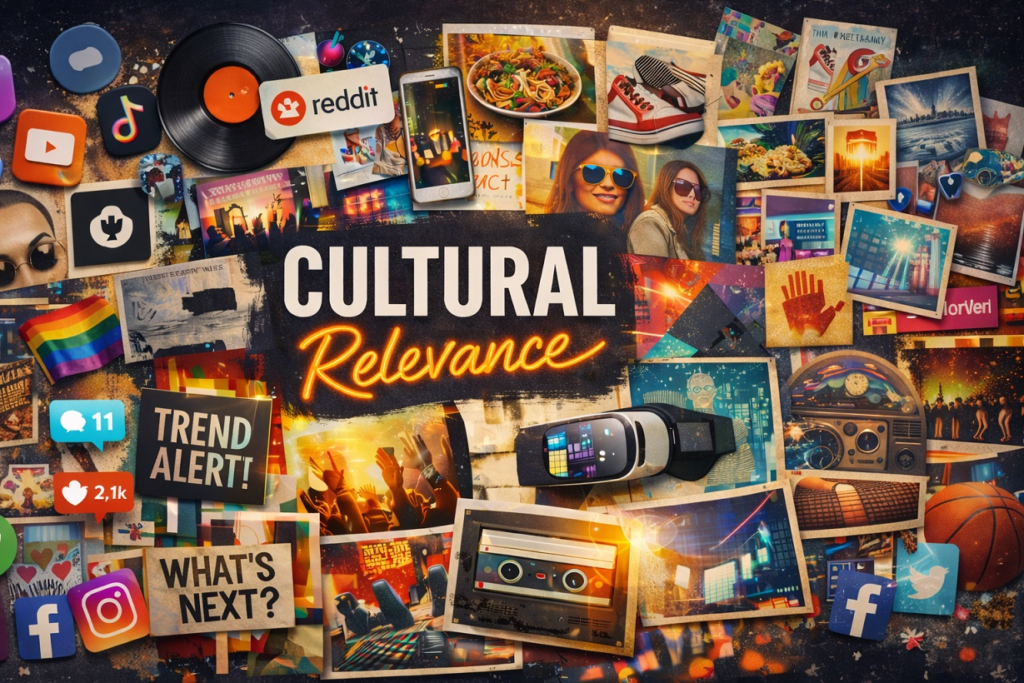
Every viral trend begins with something people already care about. It could be a social issue, a shared frustration, a popular aesthetic, or even a niche internet joke. Trends don’t come out of nowhere—they grow from existing conversations.
Spend time observing what’s happening around you:
- What are people complaining about?
- What are they celebrating?
- What patterns are emerging in memes or content styles?
The closer your idea aligns with what people are already thinking or feeling, the easier it is for them to connect with it instantly.
Simplicity Is Your Biggest Advantage
Complex ideas rarely go viral. If your trend requires too much effort to understand or recreate, people will scroll past it.
The most successful trends share three traits:
They leave room for personal interpretation
They are easy to understand in seconds
They can be recreated without special skills

Think of your idea as a template, not a finished product. The simpler it is, the more people can adapt it to their own style—which increases the
Hook Attention in the First Few Seconds
Attention spans are shorter than ever, and competition is intense. If your content doesn’t capture interest immediately, it’s unlikely to gain traction.
Your opening should:
- Create curiosity
- Present something unexpected
- Clearly hint at what’s coming next
People decide within seconds whether to keep watching or move on. A strong hook can make the difference between a trend that dies instantly and one that takes off.
Build for Participation, Not Just Views

Think about how others can engage:
- Can they recreate it easily?
- Can they add their own twist?
- Can they respond or build on it?
A viral trend is not something people passively consume—it’s something they actively join. If your content doesn’t invite participation, it limits its own reach.
Participation is what turns a piece of content into a movement. The more people feel involved, the faster the trend spreads.
Understand Platform Behavior
Each platform has its own “language.” What works on one may completely fail on another.
For example:
- Short-form video platforms prioritize fast engagement and repeatability
- Image-based platforms favor aesthetics and visual identity
- Text-driven platforms reward wit, relatability, and commentary
Instead of forcing your idea to fit everywhere, adapt it to the platform you’re targeting. Learn how content spreads there—what the algorithm favors, how users interact, and what kind of trends succeed.
Timing Can Make or Break Your Trend

Even the best idea can fail if it’s released at the wrong time. Timing is often overlooked, but it plays a critical role in virality.
A trend is more likely to succeed if it:
- Connects to current events or conversations
- Aligns with seasonal or cultural moments
- Feels timely rather than random
Pay attention to what’s happening in the world and online. Launching your trend when it feels relevant gives it a natural boost.
Leverage Micro-Communities First
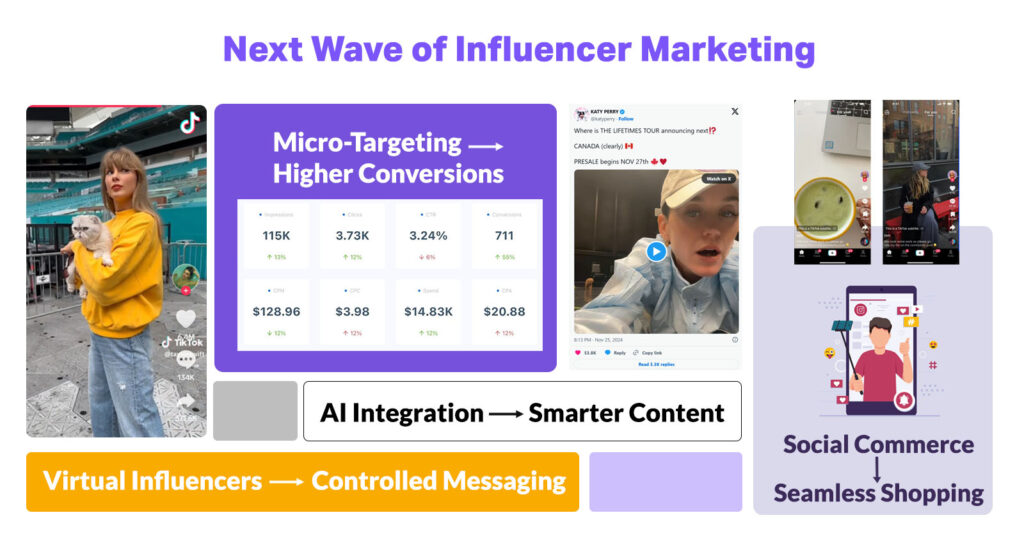
Many people believe that trends start with massive influencers, but that’s not always true. In fact, many viral trends begin in small, highly engaged communities.
These groups are powerful because:
- They interact more actively
- They are more likely to experiment and participate
- They help refine and evolve ideas
If your trend gains traction within a niche community, it can spread outward naturally. This organic growth often feels more authentic and sustainable.
Encourage Remixing and Evolution
A common mistake is trying to control how a trend is used. In reality, the best trends are flexible and open to change.
Once people start engaging with your idea, they will:
- Modify it
- Combine it with other trends
- Add their own creativity
Instead of resisting this, embrace it. The more adaptable your trend is, the more it can grow. Evolution is not a loss of control—it’s a sign of success.
Consistency Builds Momentum
Virality isn’t always instant. Sometimes, trends need multiple pushes before they take off.
Don’t just post once and hope for the best. Instead:
- Share variations of your idea
- Engage with people who participate
- Reinforce the concept through repeated exposure
Consistency increases familiarity, and familiarity increases adoption. The more people see your trend, the more likely they are to join it.

Collaborate Strategically
Collaboration can significantly amplify your reach. Working with other creators introduces your trend to new audiences and adds credibility.
However, focus on:
- Creators who align with your idea
- Individuals with engaged audiences, not just large ones
- Authentic collaborations rather than forced promotions
A well-placed collaboration can accelerate your trend’s growth far more effectively than random exposure.
- How to Invest in Mutual Funds in 2026: Beginner’s Guide
- DIY Navratri Rangoli Ideas 2026: Easy & Beautiful Designs for Home
- Latest Entertainment Trends 2026: Movies, Music, Streaming & More

Act Quickly When Momentum Starts
If your trend begins to gain traction, speed becomes critical. Viral moments are often short-lived, and missing the window can mean losing the opportunity.
When momentum builds:
- Post follow-ups immediately
- Highlight user participation
- Engage with comments and shares
This keeps the trend alive and encourages more people to join while it’s still growing.
Learn From What Doesn’t Work
Not every idea will go viral—and that’s part of the process. Failure isn’t wasted effort; it’s valuable data.
Pay attention to:
- What people ignored
- What confused them
- What sparked even a small reaction
Each attempt teaches you more about your audience and what resonates. Over time, these insights improve your chances of creating a successful trend.
F&Q
1. What makes a trend go viral in 2026?
A trend goes viral when it connects emotionally, is easy to participate in, and feels relevant to current conversations.
2. Do I need a large audience to start a viral trend?
No, even small creators can start trends if the idea is strong, relatable, and shareable.
3. Which platforms are best for creating viral trends?
Short-form video platforms like Instagram Reels, TikTok, and YouTube Shorts are the most effective right now.
4. How important is originality in trend creation?
Originality matters, but adding a unique twist to existing ideas can be just as powerful.
5. How long does it take for a trend to go viral?
It can happen quickly within days or take weeks, depending on timing, consistency, and audience engagement.



0 Comments