Imagination is one of the most powerful skills a person can develop. It helps in problem-solving, creativity, innovation, and even emotional well-being. However, imagination is not something that stays active on its own. It needs practice, stimulation, and the right environment to grow. One of the most enjoyable and effective ways to boost imagination is through creative DIY (Do-It-Yourself) activities.
DIY projects are not just about making crafts or decorating your home. They are about exploring ideas, experimenting with materials, and allowing your mind to think freely. When you engage in hands-on creative work, your brain becomes more active, flexible, and open to new possibilities.
This guide explores unique creative DIY ideas that can help you strengthen your imagination while also giving you useful and enjoyable results.
1. Create Story-Based Art Projects

One of the most effective ways to boost imagination is to combine storytelling with art. Instead of just drawing or painting randomly, try creating a story first and then illustrating it.
You can write a short story, a fantasy scene, or even a simple daily-life situation, and then turn it into visual art. This process forces your mind to think in layers, connecting words with images.
You can also create comic strips where each frame represents a part of your imagination. This helps develop both creative thinking and visual storytelling skills.
2. Build Mini Worlds with Everyday Materials
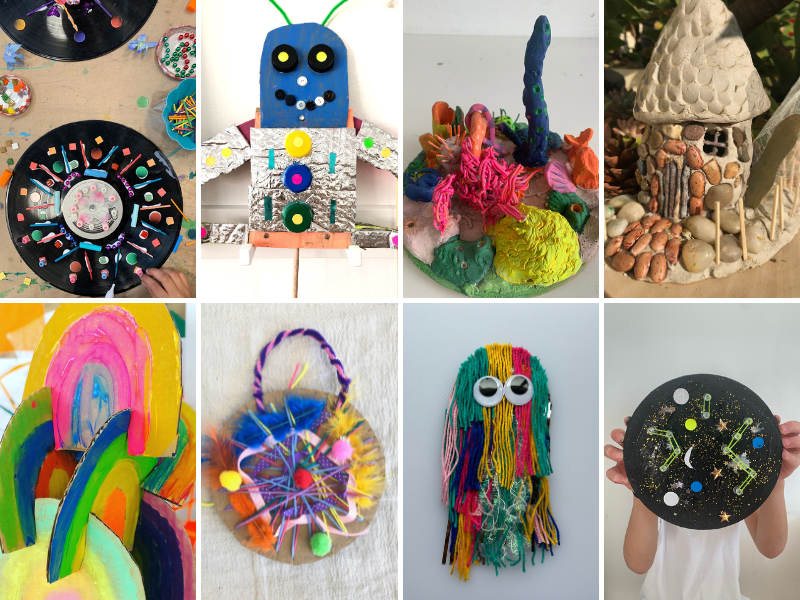
Creating miniature worlds is a powerful way to expand imagination. You can use cardboard, clay, paper, or recycled items to build small scenes such as villages, cities, forests, or imaginary landscapes.
The idea is not perfection but creativity. You decide how the world looks, what exists in it, and how it functions. This type of DIY activity encourages you to think like a designer and a storyteller at the same time.
Even simple items like matchboxes, bottle caps, and paper can be transformed into buildings, trees, and characters.
3. Experiment with Abstract Painting

Abstract painting is one of the best ways to free your mind from structure and rules. Instead of trying to draw something realistic, focus on colors, shapes, and emotions.
You can use brushes, fingers, or even household items like sponges or leaves to create patterns. The goal is to express feelings rather than create perfection.
This kind of activity helps your brain think beyond logic and encourages emotional expression, which is essential for imagination.
4. DIY Mind Maps for Creative Thinking
Mind mapping is a simple but powerful technique to organize thoughts and expand ideas. Start with a central idea, such as “dream house” or “future city,” and then branch out related thoughts.
You can draw symbols, images, and keywords instead of just writing text. This makes the process more visual and creative.
DIY mind maps are especially useful for brainstorming new ideas, solving problems, or planning creative projects.
5. Reimagine Everyday Objects
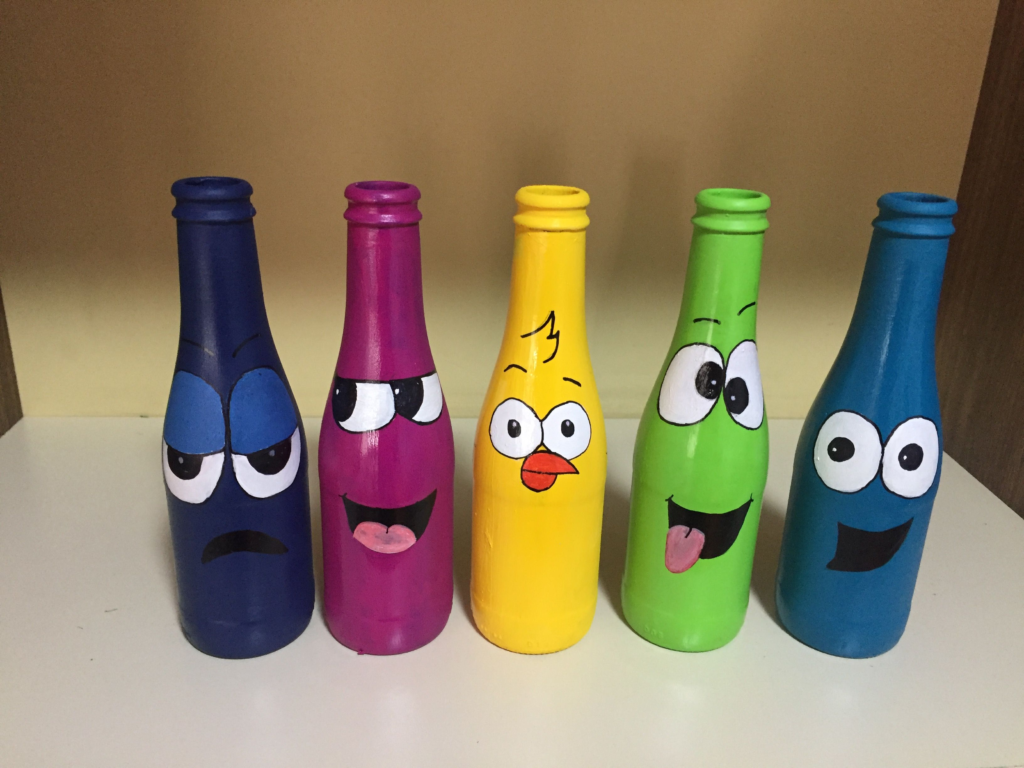
A great way to boost imagination is to look at ordinary objects in new ways. Instead of seeing a bottle as just a container, think about what else it could become.
Could it be a lamp, a planter, or part of a sculpture? Could a spoon become a decorative piece or part of a mobile art project?
This exercise trains your brain to think creatively and see possibilities where others see limitations.
6. Create DIY Music Instruments
Sound and creativity are deeply connected. You can boost imagination by creating simple musical instruments from household items.
For example, rubber bands stretched over a box can become a basic guitar. Rice-filled containers can become shakers. Empty bottles can be turned into flutes or percussion tools.
Once created, you can experiment with sounds and rhythms. This helps you explore creativity through both thinking and listening.
7. Design Your Own Dream Journal

A dream journal is a personal space where imagination has no limits. You can decorate a notebook and use it to write ideas, sketch dreams, or record creative thoughts.
Instead of writing only facts, try adding drawings, colors, and symbols. You can also include imaginary concepts, future goals, or random creative ideas.
This habit keeps your imagination active every day and helps you capture ideas before they fade.
8. Create Fictional Maps and Worlds
Drawing maps of imaginary places is a highly creative exercise. You can design fictional countries, islands, or planets with their own geography, culture, and rules.
Decide where mountains, rivers, cities, or forests are located. You can even name places and create stories about them.
This activity improves spatial thinking and helps you build complex imaginative systems.
9. DIY Photo Story Projects
Take everyday photos and turn them into a story. You can use printed pictures or digital ones and arrange them in a sequence that tells a creative narrative.
You might create a story about a journey, a mystery, or even an imaginary event. Add captions or handwritten notes to enhance the story.
This combines visual creativity with storytelling and helps you think in sequences and ideas.
10. Build Collage Art from Waste Materials
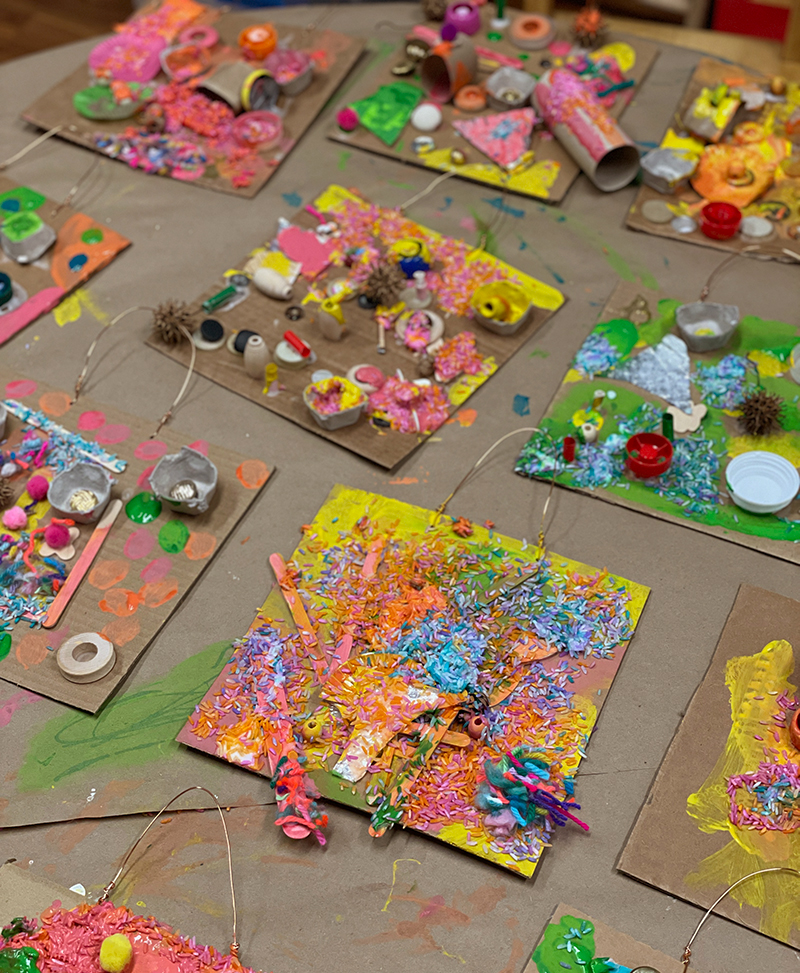
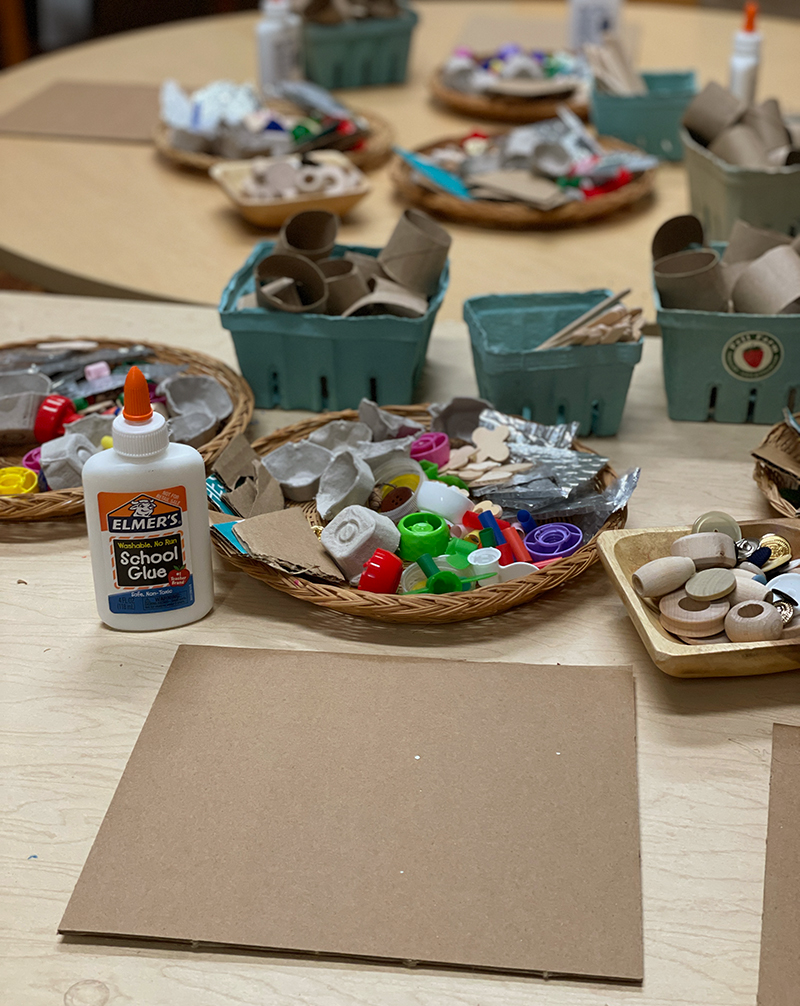
Collage making is a powerful creative exercise that uses cutouts from magazines, newspapers, packaging, and other materials.
Instead of following a fixed plan, you can randomly combine images and shapes to create something new. This encourages spontaneous thinking and unexpected creativity.
You can focus on themes like nature, dreams, emotions, or future ideas.
Why DIY Boosts Imagination
DIY activities work so well for imagination because they engage multiple senses. You are not just thinking—you are touching, building, drawing, and experimenting. This active involvement strengthens neural connections in the brain.
Unlike passive activities such as watching videos, DIY projects require decision-making and problem-solving. This helps the brain develop flexibility and originality.
Over time, consistent creative practice leads to better idea generation, improved focus, and stronger problem-solving abilities.
How to Make Creativity a Habit
To truly boost imagination, creativity should become a regular habit rather than an occasional activity. Set aside a small amount of time each week for DIY exploration.
Do not worry about results or perfection. The goal is to experiment freely and enjoy the process. Even small activities like sketching, building, or rearranging objects can make a difference.
It also helps to keep curiosity alive. Ask questions like “What if?” or “How else can this be used?” These questions naturally expand creative thinking.
- How to Invest in Mutual Funds in 2026: Beginner’s Guide
- DIY Navratri Rangoli Ideas 2026: Easy & Beautiful Designs for Home
- Latest Entertainment Trends 2026: Movies, Music, Streaming & More

- DIY Navratri Hair Clips: Beautiful Dandiya-Inspired Accessories to Make at Home

- Latest Travel Trends 2026: New Ways to Explore the World

- How to Improve Your Decision-Making Skills in Everyday Life

F&Q
1. What are DIY ideas?
Simple creative projects made using your own skills and materials.
2. How do they improve imagination?
They help you think creatively and explore new ideas.
3. Are DIY projects expensive?
No, most use low-cost or recycled materials.
4. Can beginners do DIY?
Yes, many ideas are easy and beginner-friendly.
5. How often should I try DIY?
Regular practice, even weekly, helps boost creativity.


0 Comments