Personal growth is a lifelong journey. It is not something that happens overnight, but rather a continuous process of learning, reflecting, and improving yourself. One of the most effective and time-tested ways to grow as a person is through reading. Books have the power to shift perspectives, challenge beliefs, and introduce new habits that can transform your life.
Self-improvement books, in particular, offer practical guidance on how to think better, act smarter, and live more meaningfully. They combine psychology, experience, and actionable advice that can help anyone build a better version of themselves. Whether you are looking to improve your mindset, productivity, relationships, or confidence, the right book can make a real difference.
Below is a detailed exploration of some of the best self-improvement books for personal growth and why they continue to be widely recommended.
1. The Power of Habit by Charles Duhigg
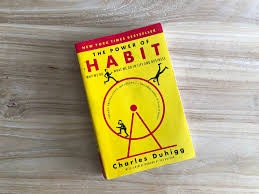
Understanding habits is essential for personal growth because most of our daily actions are driven by routines we repeat without thinking. This book explains how habits are formed and how they can be changed.
Charles Duhigg breaks down the habit loop into three parts: cue, routine, and reward. By understanding this cycle, readers can identify unhealthy patterns and replace them with better ones. For example, if you want to start exercising regularly, the book shows how to design cues and rewards that make the habit stick.
The real value of this book lies in its practical approach. It doesn’t just explain theory; it shows how habits influence productivity, health, and success in real life.
2. Atomic Habits by James Clear
One of the most popular self-improvement books in recent years, Atomic Habits focuses on small changes that lead to remarkable results. James Clear argues that success is not about massive transformations but about improving by just one percent every day.
The book emphasizes the importance of systems over goals. Instead of focusing only on outcomes, it teaches readers to build systems that support consistent progress. It also introduces techniques like habit stacking, environment design, and identity-based habits.
What makes this book powerful is its simplicity. The ideas are easy to understand but highly effective when applied consistently.
3. How to Win Friends and Influence People by Dale Carnegie
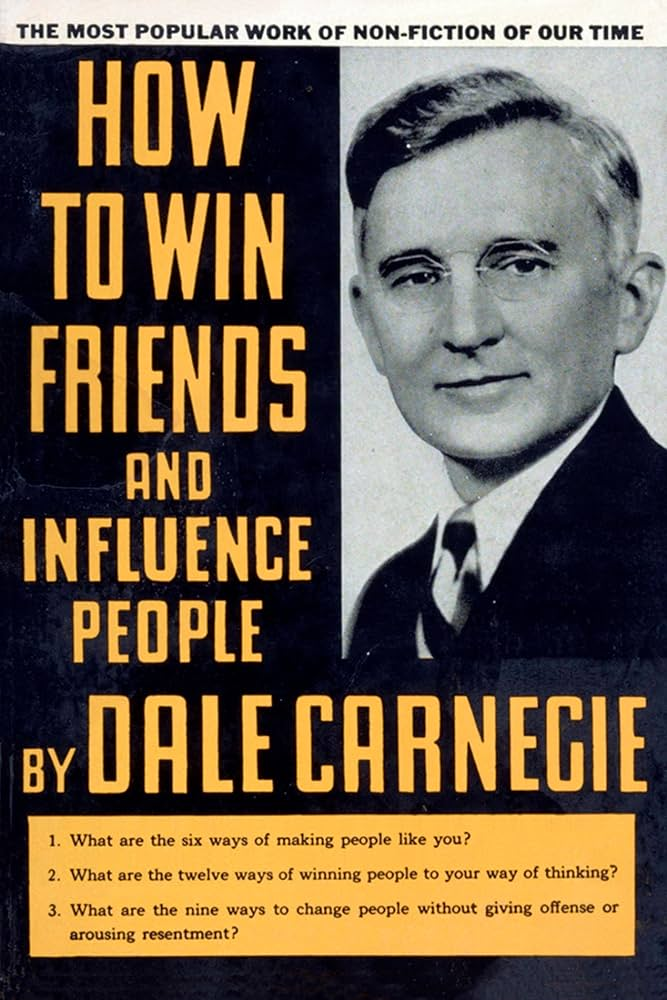
Personal growth is not just about self-discipline; it also involves relationships. This classic book focuses on communication skills, empathy, and social influence.
Dale Carnegie teaches how to build meaningful relationships by showing genuine interest in others, listening actively, and avoiding criticism. These principles are timeless and still relevant in today’s world.
The book helps readers understand human behavior and improve their interactions in both personal and professional life. It is especially useful for those who want to become better communicators and leaders.
4. Think and Grow Rich by Napoleon Hill
This book is often considered a foundation of success literature. Napoleon Hill studied successful individuals and identified common principles that contributed to their achievements.
The book emphasizes the power of desire, belief, persistence, and clear goal setting. It suggests that success begins in the mind and that strong thinking patterns can shape real-world outcomes.
While some ideas may feel philosophical, many readers find the mindset principles highly motivating. It encourages readers to think big and take consistent action toward their goals.
5. The 7 Habits of Highly Effective People by Stephen R. Covey
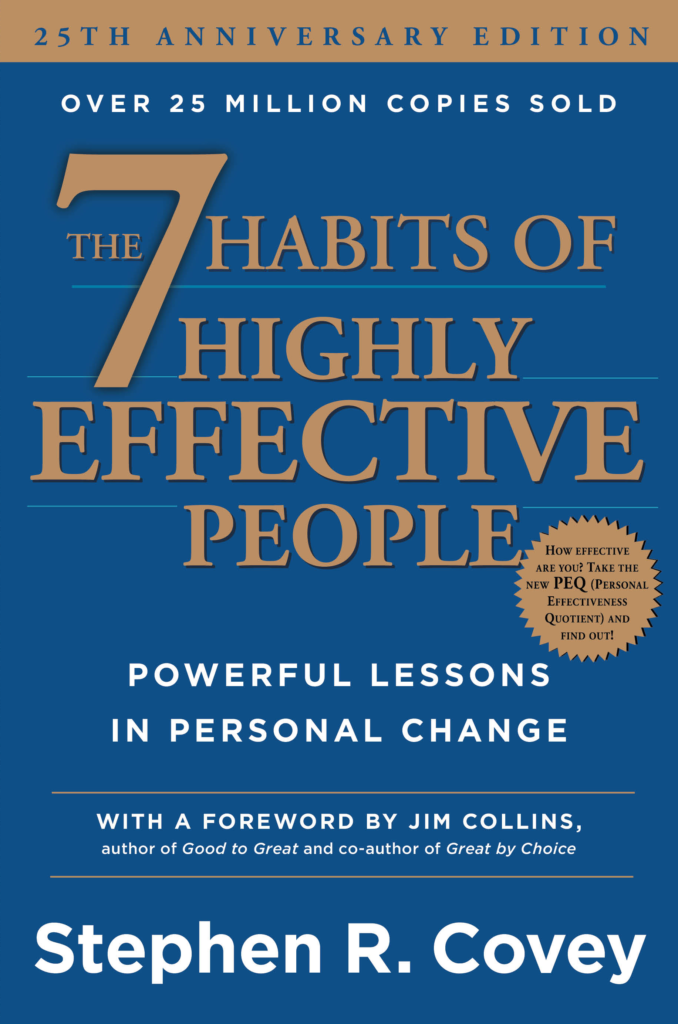
This book focuses on character development and long-term effectiveness rather than quick fixes. Stephen Covey introduces seven habits that help individuals become more responsible, proactive, and goal-oriented.
Some of the key habits include being proactive, beginning with the end in mind, and prioritizing important tasks over urgent ones. The book also highlights the importance of mutual benefit in relationships.
It is widely used in both personal and professional development because of its structured approach to building effectiveness.
6. You Are a Badass by Jen Sincero
This book takes a more modern and conversational approach to self-improvement. It focuses on building self-confidence and overcoming self-doubt.
Jen Sincero uses humor and real-life examples to encourage readers to believe in themselves and take action. The book is especially helpful for people who struggle with fear, hesitation, or lack of motivation.
It reminds readers that personal growth often starts with changing how you see yourself.
7. The Subtle Art of Not Giving a Fck* by Mark Manson
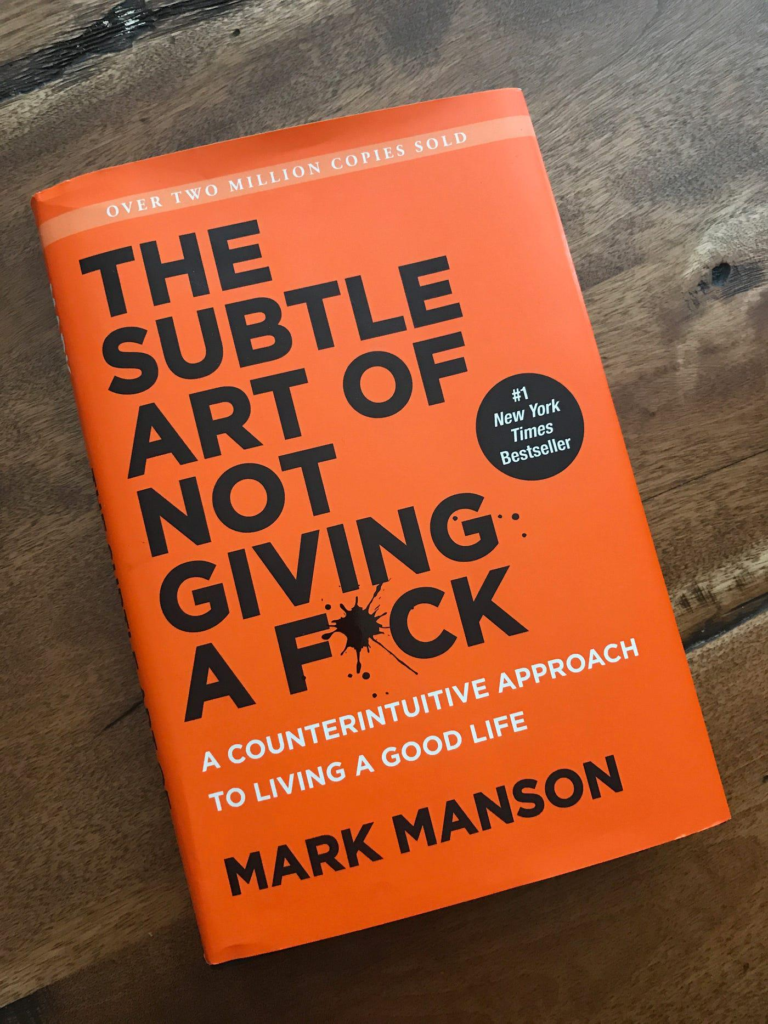
This book challenges traditional ideas of positivity and success. Mark Manson argues that life is about choosing what truly matters and letting go of unnecessary concerns.
Instead of trying to be positive all the time, the book encourages readers to focus on meaningful struggles. It promotes honesty, responsibility, and acceptance of limitations.
The straightforward writing style makes it easy to read and relatable for many people. It helps readers rethink their priorities and focus on what is truly important.
Why Self-Improvement Books Matter
Self-improvement books are valuable because they provide structured knowledge that is often based on research, experience, or observation. They help readers understand themselves better and offer tools to improve different areas of life.
Reading these books can lead to better decision-making, improved habits, stronger relationships, and increased confidence. However, reading alone is not enough. The real benefit comes when ideas are applied in daily life.
Personal growth is not about perfection. It is about progress. Even small changes in thinking or behavior can create long-term improvements.
How to Get the Most Out of These Books
To truly benefit from self-improvement books, it is important to read with intention. Instead of just finishing the book, focus on understanding and applying key ideas.
Taking notes can help retain important concepts. Choosing one or two lessons to practice at a time is more effective than trying to change everything at once.
Re-reading certain books after some time can also provide deeper insights, as your understanding evolves with experience.
- How to Invest in Mutual Funds in 2026: Beginner’s Guide
- DIY Navratri Rangoli Ideas 2026: Easy & Beautiful Designs for Home
- Latest Entertainment Trends 2026: Movies, Music, Streaming & More

- DIY Navratri Hair Clips: Beautiful Dandiya-Inspired Accessories to Make at Home

- Latest Travel Trends 2026: New Ways to Explore the World

- How to Improve Your Decision-Making Skills in Everyday Life

F&Q
1. What are self-improvement books?
They are books that help improve mindset, habits, skills, and overall personal growth.
2. Why should I read self-improvement books?
They provide practical ideas to build better habits and improve life quality.
3. Which is the best book to start with?
Atomic Habits and The Power of Habit are great beginner-friendly choices.
4. How often should I read these books?
Even reading a few pages daily can be helpful if you apply the lessons.
5. Do these books really change life?
Yes, but only when you apply the ideas consistently in real life.

0 Comments